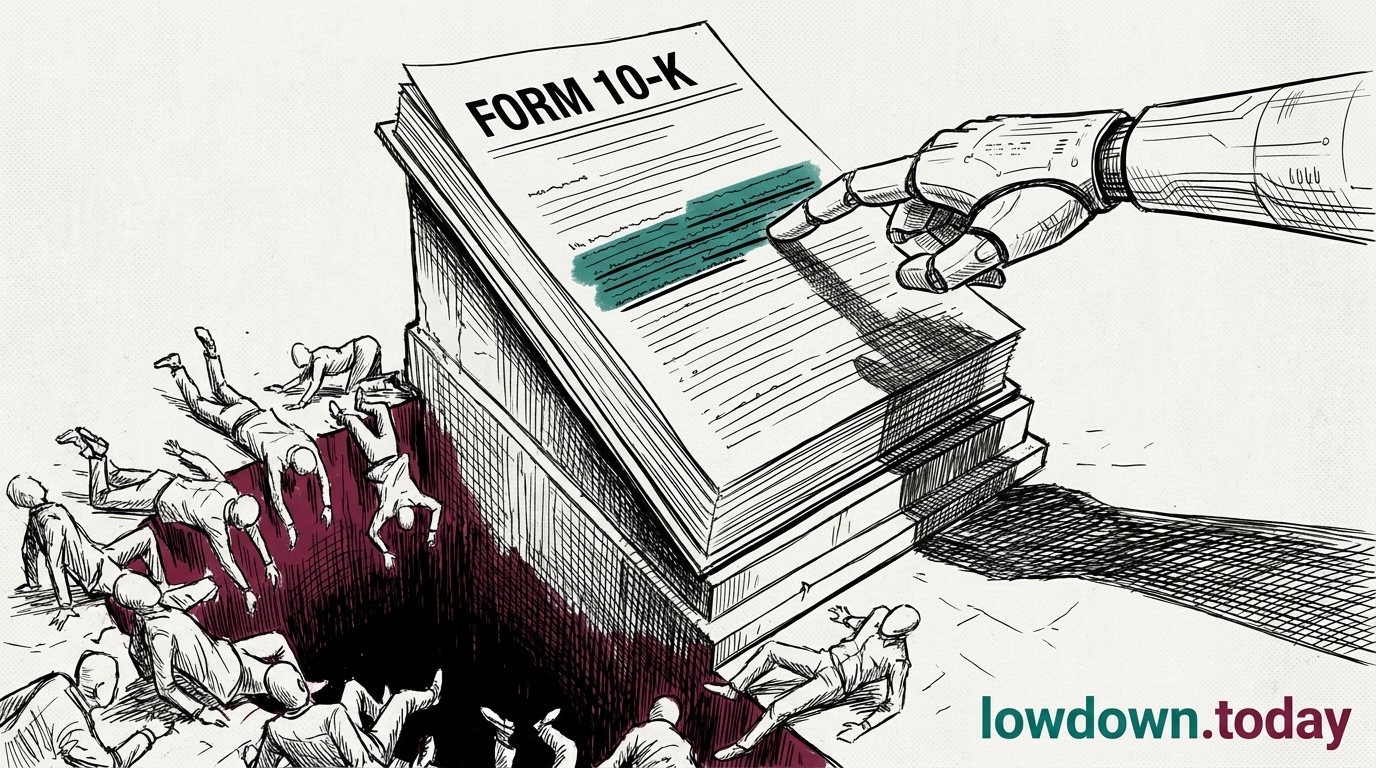
California advanced three AI-employment bills through committee: SB 947, which bars firing or discipline by artificial intelligence (AI) alone, went to Assembly Appropriations on 1 July; AB 2545, creating a state study of AI's labour-market effects, cleared Senate Appropriations on 30 June; and AB 2656, requiring 45 days' notice to public-sector unions before any generative-AI rollout, was re-referred on 1 July1. The three continue the committee march this beat logged in late June.
Brussels moved the other way. The EU Digital Omnibus, given final Council adoption on 29 June, defers the high-risk compliance deadline for Annex III recruitment and employment tools, the CV-screening, candidate-ranking and termination systems, from 2 August 2026 to 2 December 20272. The reprieve covers exactly the tools that decide who gets hired and fired.
In Washington state, the Washington Federation of State Employees returns to bargaining on 9 July, seeking contract language barring the University of Washington from using AI in hiring, promotion and dismissal decisions3. Two regulatory models are now diverging in real time: US states and unions writing binding human oversight into law and contract, while the EU grants its own high-risk employment rules a sixteen-month reprieve.





