SB 947
California bill barring AI-only firing or discipline; reached Assembly Appropriations 1 July 2026.
Last refreshed: 9 July 2026 · Appears in 1 active topic
Can California's AI worker-rights bill survive federal preemption challenges if it passes?
Timeline for SB 947
California binds AI hiring, EU defers
AI: Jobs, Power & MoneyUS states legislate as Washington stalls
AI: Jobs, Power & MoneyMentioned in: California eyes 45-day AI notice rule
AI: Jobs, Power & MoneyMentioned in: States write the AI law Congress won't
AI: Jobs, Power & MoneyCalifornia bill sets 90-day AI layoff notice
AI: Jobs, Power & MoneyBackground
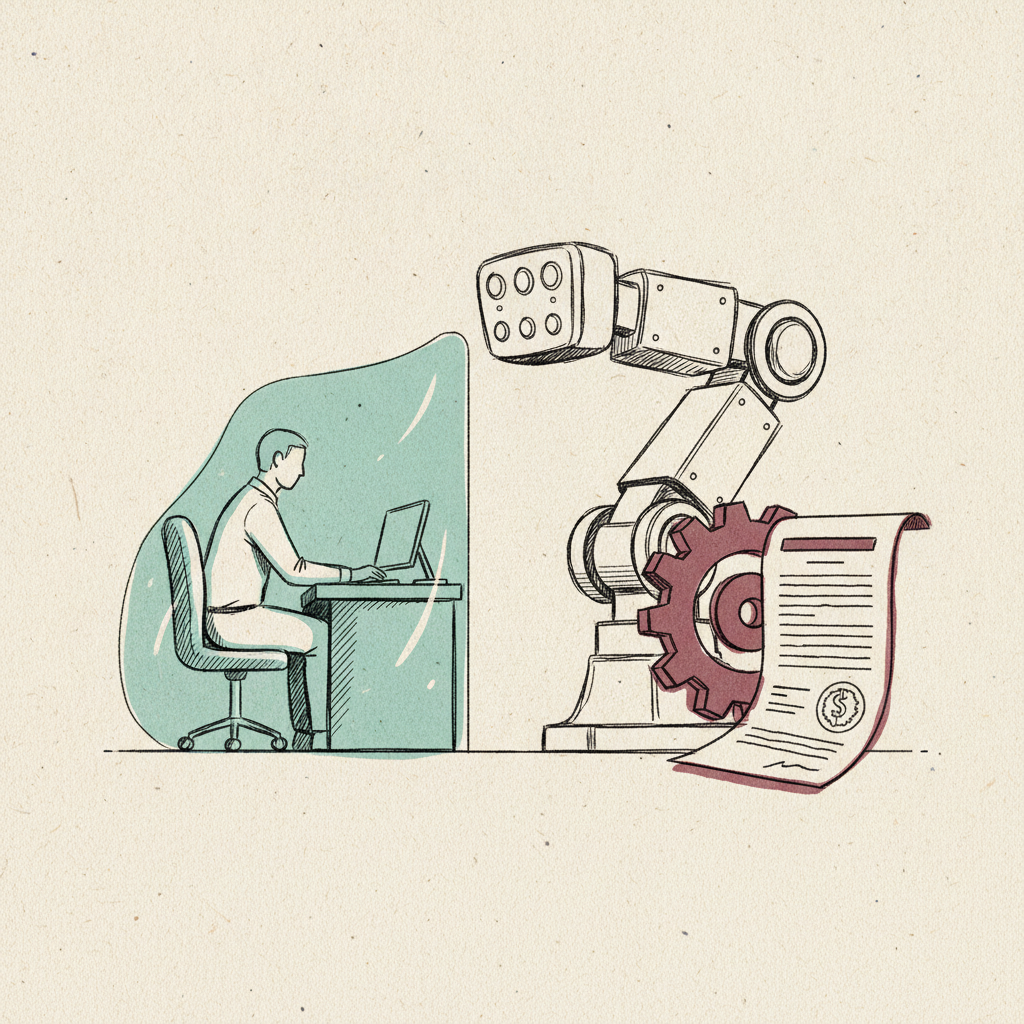
SB 947 is a California Senate bill, popularly known as the 'No Robo Bosses Act', that bars employers from firing or disciplining a worker by artificial intelligence (AI) decision alone. It is a companion measure to SB 951, the 90-day advance-notice bill for AI-driven mass layoffs: SB 951 targets displacement at scale, SB 947 addresses the rights of workers subject to AI-driven decisions in ongoing employment, covering hiring screens, performance monitoring and disciplinary processes.
SB 947 passed the California Senate 29-9 on 19 May 2026 and worked through committee over the following weeks: re-referred to Assembly Judiciary on 25 June, then advanced to Assembly Appropriations on 1 July. It moved alongside two other California AI-employment bills, AB 2545 (a state AI Labour-impact study, cleared Senate Appropriations 30 June) and AB 2656 (45 days' union notice before generative-AI rollout, re-referred 1 July), part of the state's broadest push yet to legislate on AI at work.
SB 947 advances as the Trump administration's National Policy Framework, published March 2026, directs federal agencies to preempt state AI Labour laws. Any California bill that passes and is signed by the governor faces a potential constitutional challenge under the Supremacy Clause, a risk that has already played out with Colorado's AI Act (SB 24-205), stayed by a federal court in April 2026. California's legal resources and economic scale give it more capacity to defend such laws than smaller states, but the preemption threat is real.
What does California SB 947 do for workers?
What is the difference between California SB 947 and SB 951?
Could the Trump administration block California's AI employment laws?
Has California passed any AI labour laws yet in 2026?
What is California's No Robo Bosses Act?
Has SB 947 passed the California Assembly?



Written with AI from Lowdown's published reporting. Not individually reviewed by an editor. Updated 9 July 2026. Editorial standards.