Skip to content
Briefings are running a touch slower this week while we rebuild the foundations.See roadmap
2026 FIFA World Cup
22MAR

$230,000 for a World Cup final seat

3 min read
05:50UTC

FIFA's first use of dynamic pricing has produced final tickets starting at $4,185. On its own resale platform, one listing reached $230,000 — and FIFA takes a 30% cut.

SportAssessed
Key takeaway

FIFA's 30% resale commission makes it the first governing body to profit directly from its own ticket inflation.

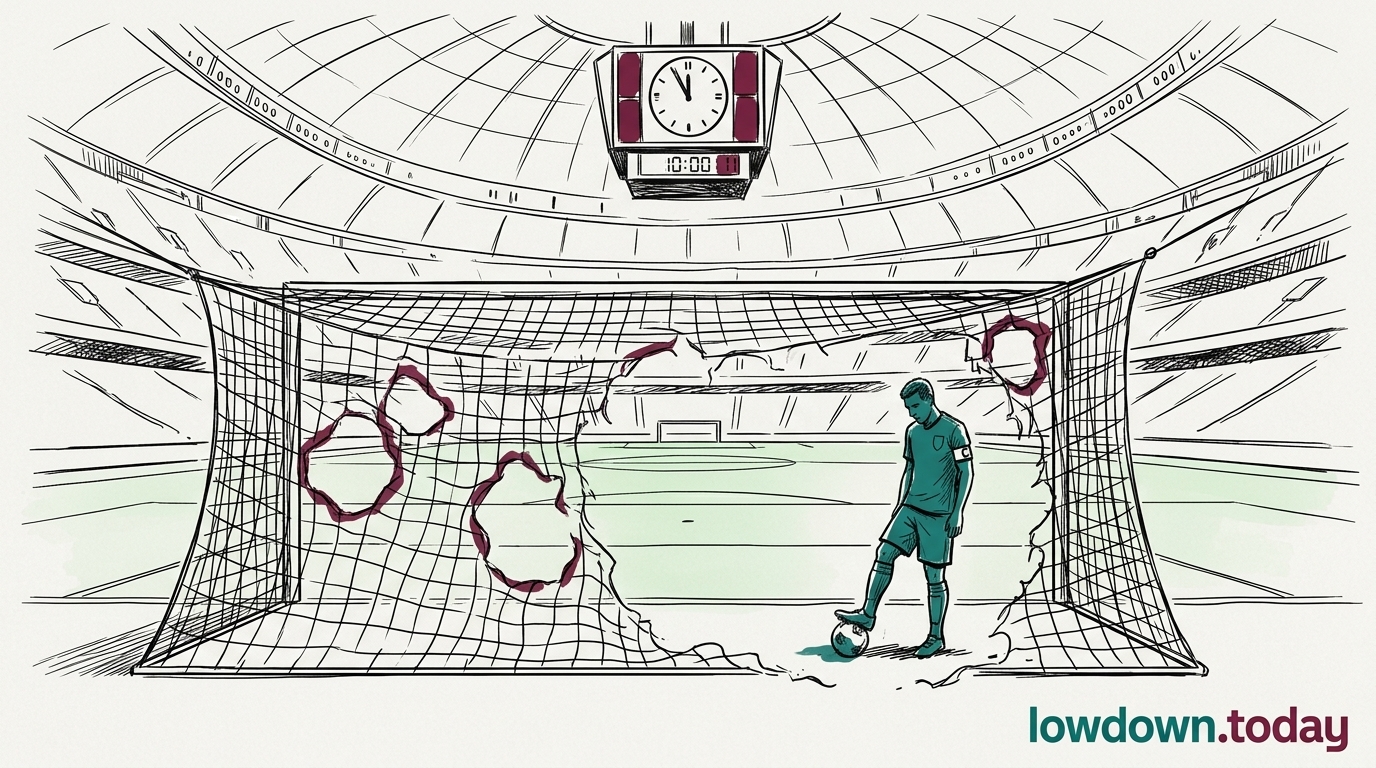
FIFA has introduced Dynamic pricing for the first time in World Cup history. The cheapest ticket to the 19 July final at MetLife Stadium costs $4,185; the most expensive, $8,680. On FIFA's own resale marketplace, one final ticket was listed at $230,000 1. FIFA takes a 30% commission on every resale transaction — $69,000 from that single listing if it sells.

The gap from previous tournaments is measurable. Football Supporters Europe calculated that 2026 prices are up to seven times higher than at the 2022 Qatar World Cup. FIFA responded to criticism — including a letter from 69 Members of Congress demanding lower prices — by offering some $60 tickets per match, but these account for 1–2% of total availability 2. The gesture changes the headline without changing the economics.

Dynamic pricing — where algorithms adjust prices in real time based on demand — is standard in airline and concert ticketing. Applied to a World Cup, it rewards those who can pay the most and penalises those who budget or wait. Combined with the 30% resale commission, FIFA profits twice: once on the initial sale, once each time a ticket changes hands on its own platform. NPR's Planet Money examined whether fairer allocation methods exist, noting that lottery systems used in previous tournaments at least gave lower-income fans a realistic chance at face-value seats 3.

The pricing structure compounds the tournament's existing access restrictions. The US travel ban bars fans from four qualifying nations — Haiti, Iran, Senegal and Côte d'Ivoire. For supporters who can enter the country, price creates a second filter. A $4,185 final ticket exceeds the annual GDP per capita of both Haiti and Senegal — two of the four nations whose fans are already excluded by the visa ban. FIFA's stated mission is to make football "truly global"; its commercial model for 2026 is built to extract maximum revenue from the wealthiest segment of global demand.


Deep Analysis

In plain English

World Cup tickets have always been expensive on the secondary market — scalpers have made fortunes at every tournament. What is new in 2026 is that FIFA itself runs the resale market and collects 30p of every pound from each resale transaction. So if someone lists a ticket for $230,000, FIFA collects $69,000 from that single sale. The base prices are also higher than ever: the cheapest legal way to attend the final costs over $4,000. FIFA has offered some $60 tickets, but these cover roughly 1–2% of all seats — not enough to make a meaningful difference for most fans.

Deep Analysis
Synthesis

FIFA simultaneously acts as tournament regulator, primary ticket vendor, and commission-taking resale marketplace operator — three roles with inherent conflicts of interest. No antitrust authority in the EU or US has yet examined whether this vertical integration constitutes an abuse of market dominance. The $230,000 listing is not an anomaly; it is the logical endpoint of a system FIFA designed and profits from.

Root Causes

FIFA's shift toward marketplace vertical integration reflects the broader financialisation of elite sport, in which governing bodies seek to capture consumer surplus previously extracted by secondary market intermediaries.

The 48-team expansion — FIFA's own decision — created exceptional demand concentration for blockbuster matches, particularly the final. This enables pricing that would be structurally impossible at a 32-team tournament with a more distributed fan base across fewer premium fixtures.

Escalation

Political pressure from Congress and European fan groups is intensifying, but FIFA has a direct financial incentive to maintain high resale prices through its 30% commission. Token gestures like the $60 ticket allocation are likely to recur without addressing underlying price levels.

Any resale price cap would reduce FIFA's commission revenue — creating a structural conflict between its commercial and governance roles that no external body currently has authority to compel it to resolve.

What could happen next?
  • Precedent

    FIFA's commission-taking resale model will likely be adopted by UEFA, the IOC, and other governing bodies if it generates revenue without successful legal challenge.

    Medium term · Assessed
  • Risk

    US antitrust authorities could examine whether FIFA's vertical integration of ticket issuance and resale-commission taking constitutes an abuse of market dominance within US jurisdiction.

    Short term · Suggested
  • Consequence

    Pricing out genuine supporters in favour of corporate buyers reduces stadium atmosphere and may depress broadcast ratings, undermining FIFA's primary long-term revenue source.

    Immediate · Suggested
  • Risk

    The $230,000 resale listing on FIFA's own platform creates political and legal exposure if it becomes a focal point for US consumer protection regulators.

    Short term · Suggested
First Reported In

Update #1 · Iran splits on World Cup boycott

Africa Report· 22 Mar 2026
Read original
Causes and effects
This Event
$230,000 for a World Cup final seat
FIFA's first use of dynamic pricing has produced World Cup final tickets starting at $4,185 — up to seven times higher than the 2022 Qatar tournament — with resale listings reaching $230,000. The pricing model, combined with FIFA's 30% resale commission, structurally excludes fans from lower-income qualifying nations.
Different Perspectives
Brazilian Football Confederation
Carlo Ancelotti's CBF named a 55-man preliminary squad on 9 May including Neymar, absent since October 2023, with the final 26 announced 18 May. Rodrygo and Militão were ruled out; the inclusion of Neymar serves both the coaching staff's tactical options and CBF's commercial interests in the home-continent cycle.
Confederation of African Football
CAF issued no public statement on the $15,000 visa bond affecting five qualified African nations, named by Al Jazeera on 5 May. Per BBC Africa Sport, CAF privately encouraged federations to use bilateral diplomatic channels rather than issue a collective protest, reflecting the body's institutional dependency on FIFA's commercial framework.
Giovanni Malagò / Serie A
Malagò reached 48% confirmed FIGC assembly bloc on 10 May after Lega B and Lega Pro signalled support, driven by Serie A clubs' need for parliamentary access to three debt-reduction reforms. A pre-vote majority before the 13 May declaration deadline would make the 22 June election ceremonial.
Football Supporters Europe / Euroconsumers
The Article 102 TFEU complaint filed on 24 March remains unacknowledged by DG COMP 18 days past the procedural deadline; MEP Brando Benifei and 24 colleagues filed a parliamentary question E-001336/2026 demanding an explanation from the Commission.
Human Rights Watch
Human Rights Watch
HRW's 11 May deadline for host cities to publish rights action plans passed with 12 of 16 cities non-compliant. HRW disputes FIFA's position that internal submission satisfies the transparency requirement, arguing fans cannot read what protections their city have committed to.
UNITE HERE Local 11
UNITE HERE Local 11
Filed NLRB and California AG complaints naming FIFA on 8 May, describing a SoFi Stadium strike as 'pretty realistic'. The filings follow five weeks of FIFA non-response to its April letter and test whether a Swiss event organiser can be bound by US employment and privacy law through its licensee chain.


