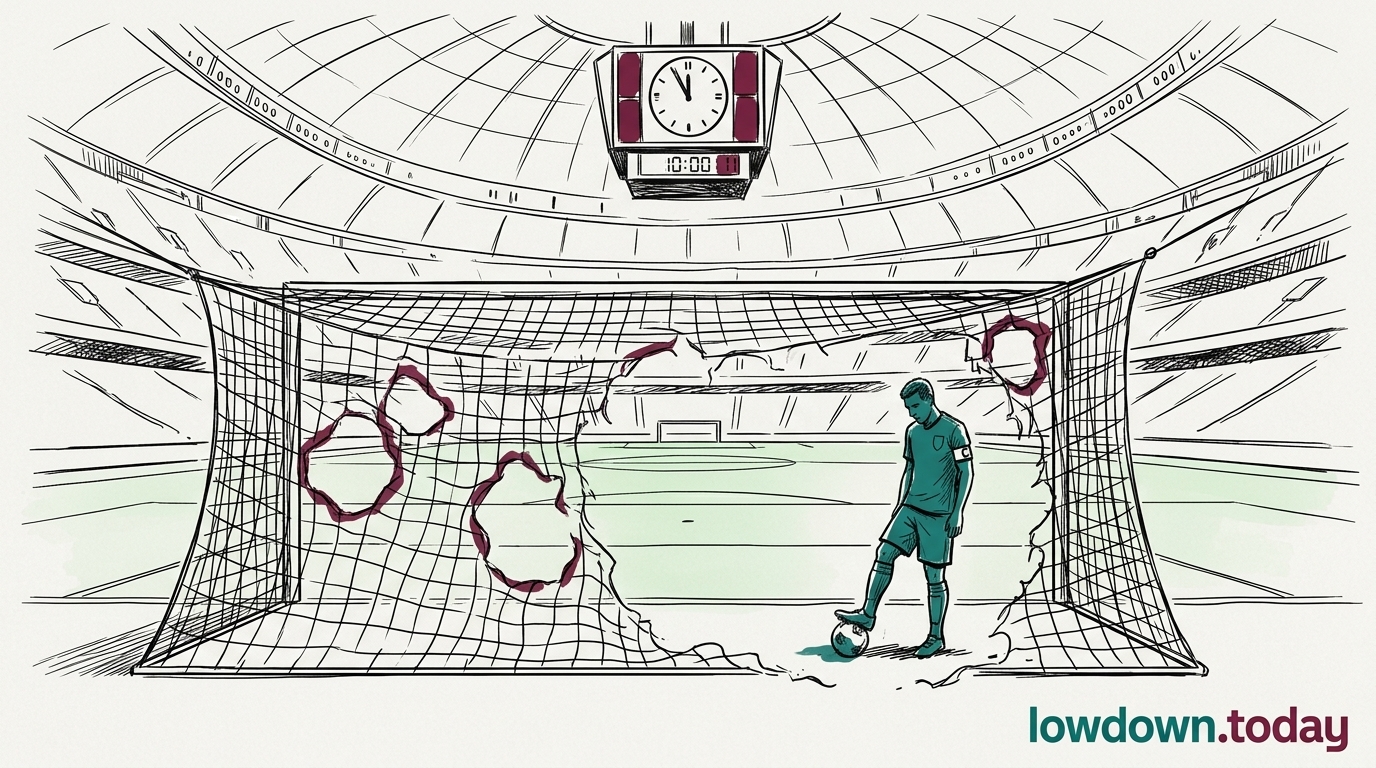
FIFA has introduced Dynamic pricing for the first time in World Cup history. The cheapest ticket to the 19 July final at MetLife Stadium costs $4,185; the most expensive, $8,680. On FIFA's own resale marketplace, one final ticket was listed at $230,000 1. FIFA takes a 30% commission on every resale transaction — $69,000 from that single listing if it sells.
The gap from previous tournaments is measurable. Football Supporters Europe calculated that 2026 prices are up to seven times higher than at the 2022 Qatar World Cup. FIFA responded to criticism — including a letter from 69 Members of Congress demanding lower prices — by offering some $60 tickets per match, but these account for 1–2% of total availability 2. The gesture changes the headline without changing the economics.
Dynamic pricing — where algorithms adjust prices in real time based on demand — is standard in airline and concert ticketing. Applied to a World Cup, it rewards those who can pay the most and penalises those who budget or wait. Combined with the 30% resale commission, FIFA profits twice: once on the initial sale, once each time a ticket changes hands on its own platform. NPR's Planet Money examined whether fairer allocation methods exist, noting that lottery systems used in previous tournaments at least gave lower-income fans a realistic chance at face-value seats 3.
The pricing structure compounds the tournament's existing access restrictions. The US travel ban bars fans from four qualifying nations — Haiti, Iran, Senegal and Côte d'Ivoire. For supporters who can enter the country, price creates a second filter. A $4,185 final ticket exceeds the annual GDP per capita of both Haiti and Senegal — two of the four nations whose fans are already excluded by the visa ban. FIFA's stated mission is to make football "truly global"; its commercial model for 2026 is built to extract maximum revenue from the wealthiest segment of global demand.