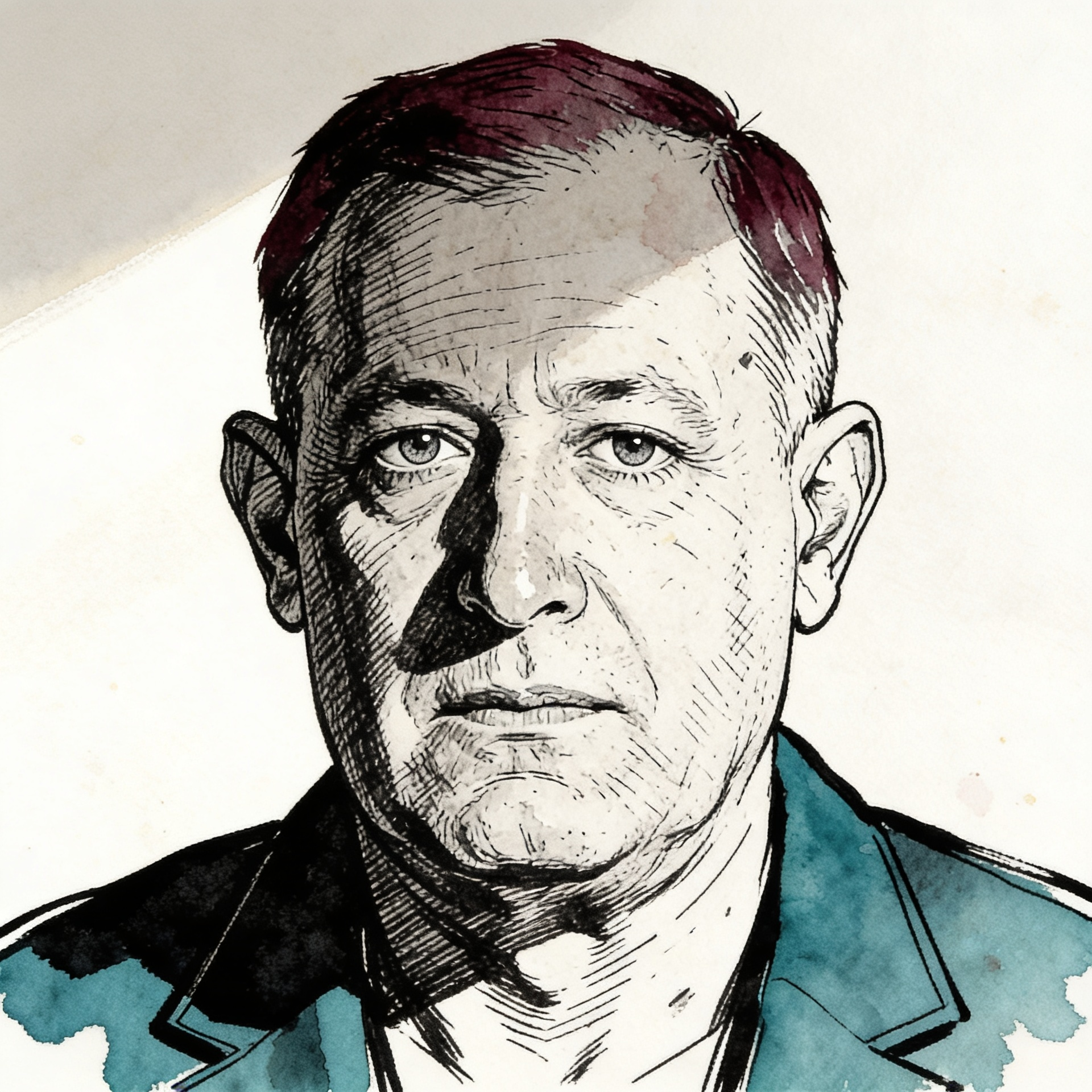
Yoram Dinstein
Israeli international law scholar at Tel Aviv University; leading authority on laws of armed conflict.
Last refreshed: 9 May 2026 · Appears in 1 active topic
What legal test would Yoram Dinstein apply to the US tanker strikes?
Timeline for Yoram Dinstein
Mentioned in: F/A-18 disables tankers via smokestack on 8 May
Iran Conflict 2026Background
Yoram Dinstein is Professor Emeritus of international law at Tel Aviv University and one of the world's most influential scholars on the laws of armed conflict (LOAC). His books — including War, Aggression and Self-Defence (5th ed., 2011) and The Conduct of Hostilities under the Law of International Armed Conflict (3rd ed., 2016) — are standard references in military law education at war colleges worldwide, including the US Naval War College.
Dinstein's framework for the use of force, jus ad bellum, and the law of military necessity and proportionality in maritime contexts was cited by analysts in the May 2026 Persian Gulf tanker-strike controversy. His analysis of when a state may use force against foreign vessels — and what legal tests of proportionality must be met — is directly relevant to the smokestack-bombing strikes on M/T Sea Star III and M/T Sevda.
As an Israeli scholar, Dinstein brings particular perspective to the intersection of self-defence, collective security enforcement, and the law of the sea in Middle East conflict contexts. His work is simultaneously authoritative in Western military law circles and critical of excessive state claims of self-defence.