Why did this one Balkan gas route fall 65% while EU imports held steady?
Timeline for Strandzha-1
ACER says the Russian-gas ban has not bitten
European Energy MarketsBackground
The Strandzha-1 metering point registered the only genuine transit decline in ACER's first mandated report on the EU's Russian gas phase-out, published 1 July 2026: flows fell 65% year-on-year between 18 March and 31 May, even as the bloc's overall Russian gas imports held broadly steady.
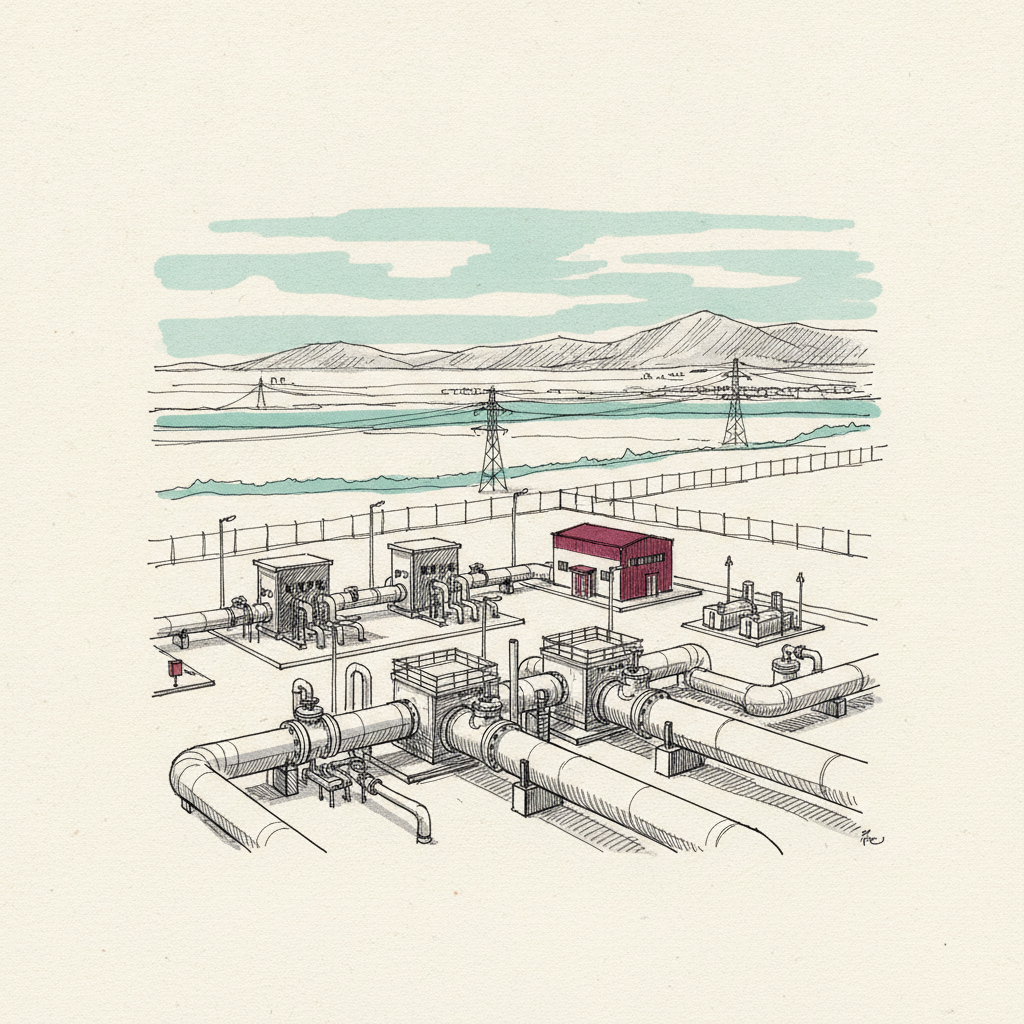
The point sits on the Bulgaria-Turkiye border, where TurkStream's Balkan extension crosses into the EU and feeds transit lines Onward to Serbia, Hungary and Slovakia. Around 1.9 billion cubic metres passed through in 2025. Gas arriving here mixes Azerbaijani, Turkish and Russian-origin supply; EU customs rules treat it as Russian-origin unless proven otherwise seven working days before entry.
The fall matters less for its volume than for what it signals: LNG cargoes and other pipeline routes have absorbed the slack, which is why ACER's headline finding is that Russian gas still supplies roughly 12% of EU demand overall despite the March import ban.