Stagflation
Simultaneous high inflation and stagnant growth, leaving central banks with no good options.
Last refreshed: 28 July 2026
Is the Iran war about to trigger a 1970s-style stagflation spiral?
Timeline for Stagflation
Mentioned in: Iran will negotiate only with JD Vance
Iran Conflict 2026Projected as US gasoline hit $3.98 per gallon — up 36% from pre-war levels
Iran Conflict 2026: US fuel up 36%; biggest rise since 1991Mentioned in: Trump delays grid strikes, claims deal
Iran Conflict 2026Mentioned in: S&P rallies on a deal Iran denies
Iran Conflict 2026Invoked by MAGA critics as war costs fractured the Republican coalition
Iran Conflict 2026: MTG: war supporters have destroyed MAGABackground
Stagflation combines persistent inflation, stagnant economic growth, and high unemployment into a single trap: the tools that fight inflation (higher interest rates) deepen the slowdown, while the tools that stimulate growth worsen prices. The term was coined in 1965 by British politician Iain Macleod and entered mainstream economics after the 1973 Arab Oil Embargo, when OPEC energy shocks simultaneously inflated costs and suppressed output across Western economies.
The 2026 Iran conflict has made Stagflation an active risk. Diesel topped $5 per gallon within weeks of the war beginning, a 34% surge that feeds directly into freight, agriculture, and manufacturing. US petrol hit $3.98 nationally, the fastest monthly rise in thirty years. Oxford Economics assessed that Brent Crude at $140 per barrel triggers a mild global recession; the gap narrowed to $14 by late March.
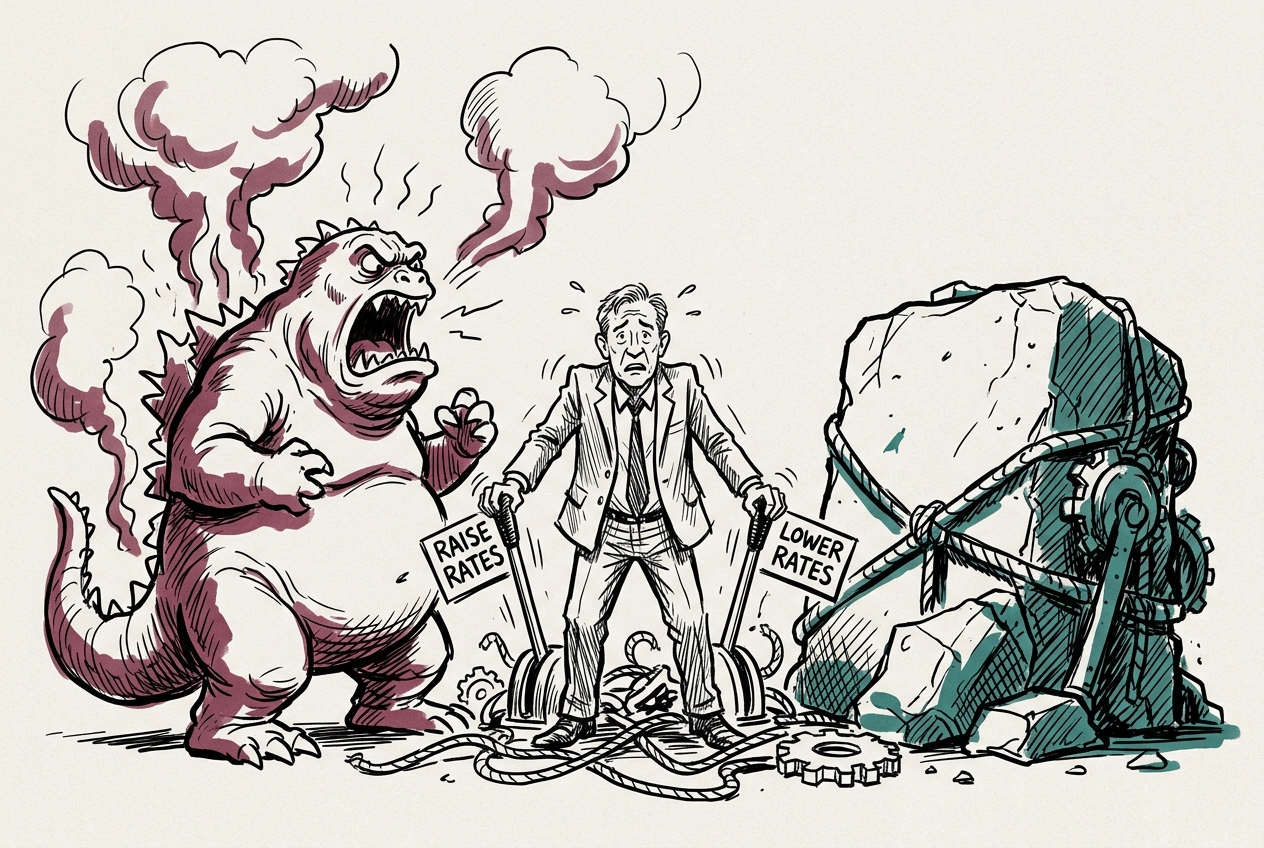
The Federal Reserve faces the classic policy trap: rate rises that contain energy-driven inflation risk tipping the economy into the recession they are trying to avoid. The Heritage Foundation warned the war could turn economic growth into stagflation before the 2026 midterms. Oil price shocks transmit through supply chains with a two-to-four month lag, meaning March crude spikes hit consumer prices in May to July.
What is stagflation?
Could the Iran war cause stagflation in 2026?
What caused stagflation in the 1970s?
How does stagflation differ from a normal recession?
What did the Heritage Foundation say about stagflation and the Iran war?


