Sindbis virus
Mosquito-borne alphavirus behind Germany's first reported locally acquired symptomatic case.
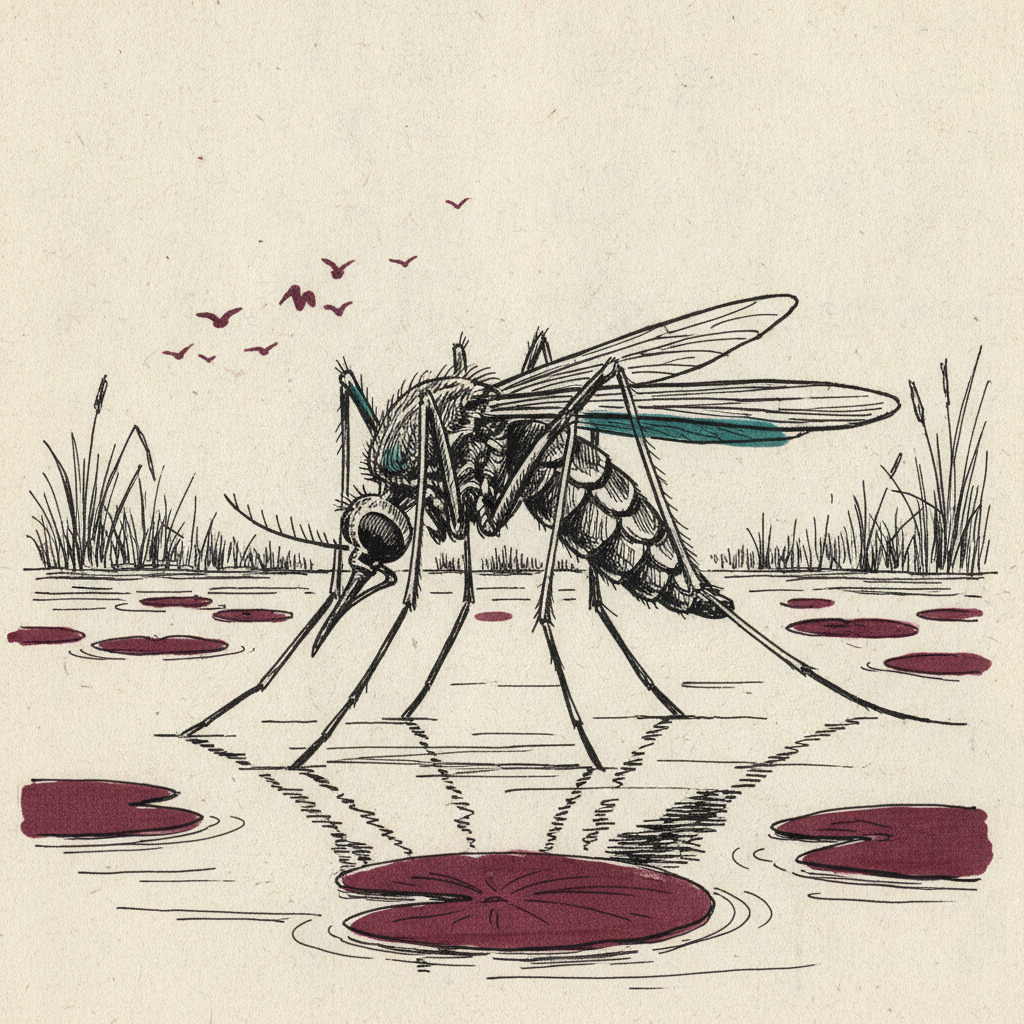
In 2026, Sindbis virus remained a mosquito-borne alphavirus transmitted through a bird-to-mosquito cycle rather than between people.
Last refreshed: 22 October 2026 · Appears in 1 active topic
Does Germany's first local symptomatic case signal wider Sindbis circulation?
Timeline for Sindbis virus
Infected a patient who had not travelled
Pandemics and Biosecurity: Belgium logs first home-grown West NileBackground
Sindbis virus is a mosquito-borne alphavirus that circulates mainly between birds and mosquitoes. Culex and Culiseta species are considered its main vectors to people. Human infection can cause fever, rash and joint pain, while the supplied evidence reports no person-to-person spread.
The symptomatic illness has several regional names. Finland calls it Pogosta disease; Ockelbo disease and Karelian fever describe the same infection elsewhere in northern Europe. Birds act as amplifying hosts, so infections in mosquitoes and birds can precede a recognised human case. Diagnosis can use rising antibody levels when travel history does not explain the illness. No vaccine protects people against Sindbis virus. These biological and clinical features remain useful beyond any single national case.
What is Sindbis virus?
How does Sindbis virus spread?
What is Pogosta disease?
Why is Sindbis virus in the news in Germany?





Written with AI from Lowdown's published reporting. Not individually reviewed by an editor. Updated 22 October 2026. Editorial standards.