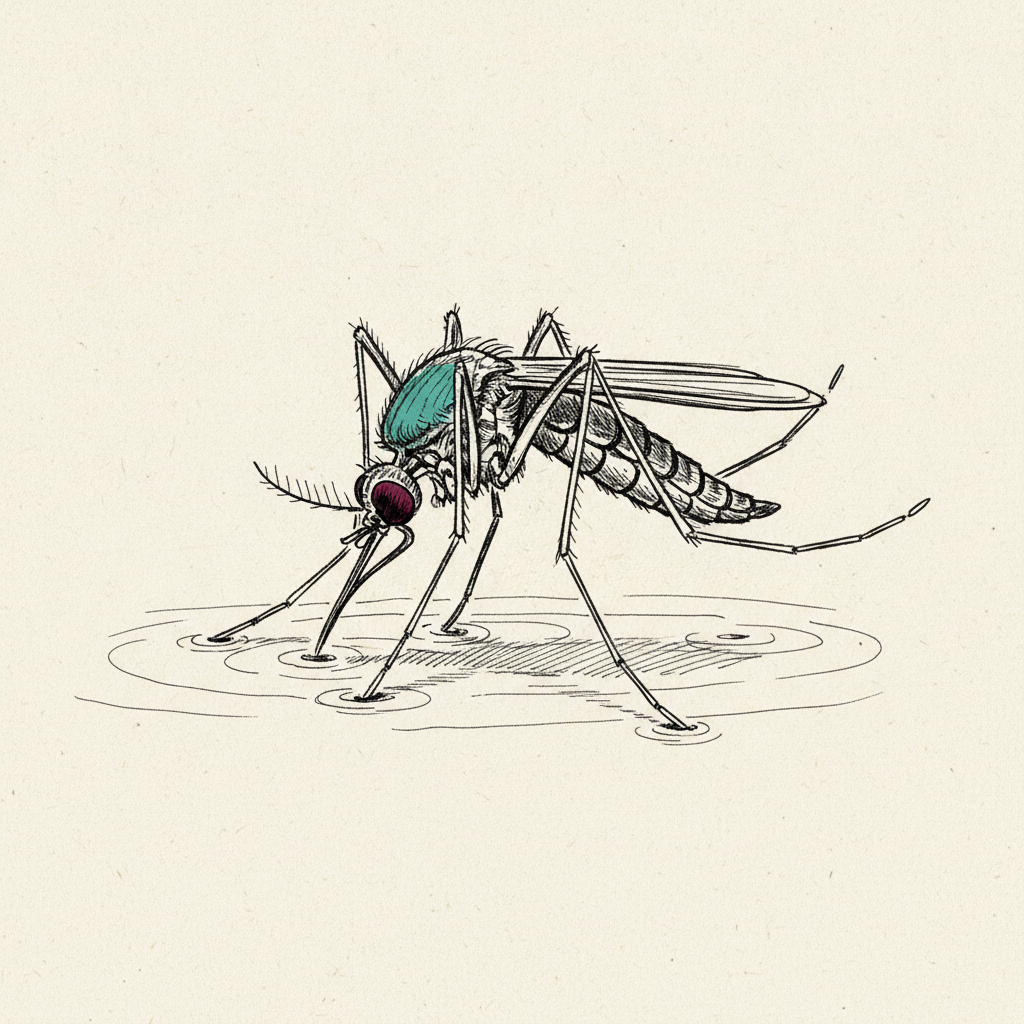
Culex
Mosquito genus that carries West Nile virus and other pathogens.
Europe counted 1,765 locally acquired West Nile cases, the virus Culex mosquitoes spread, in 16 countries by 30 September 2026; on 3 September the count ran nearly 48% above the decade's norm.
Last refreshed: 4 October 2026
Timeline for Culex
Mentioned in: Europe's West Nile cases reach 1,765
Pandemics and BiosecurityBackground
Culex is the mosquito genus that spreads West Nile virus. In Europe the main carriers are Culex pipiens and Culex modestus, according to the European Centre for Disease Prevention and Control (ECDC). The virus cycles between these mosquitoes and wild birds. People and horses can be infected, but they are dead-end hosts that do not pass it on.
Warmth sets the pace. Culex mosquitoes breed faster and pass on the virus sooner in warm weather, so longer, hotter summers stretch the season into October. In 2026 Europe's count of locally acquired West Nile cases reached 1,086 by 3 September, against a ten-year average of 736 for that date, and 1,765 in 16 countries by 30 September. The Netherlands recorded its first human cases since 2020, and Greece 284 cases and 24 deaths by 3 September.
Culex is a different genus from Aedes, which carries Dengue and Chikungunya.