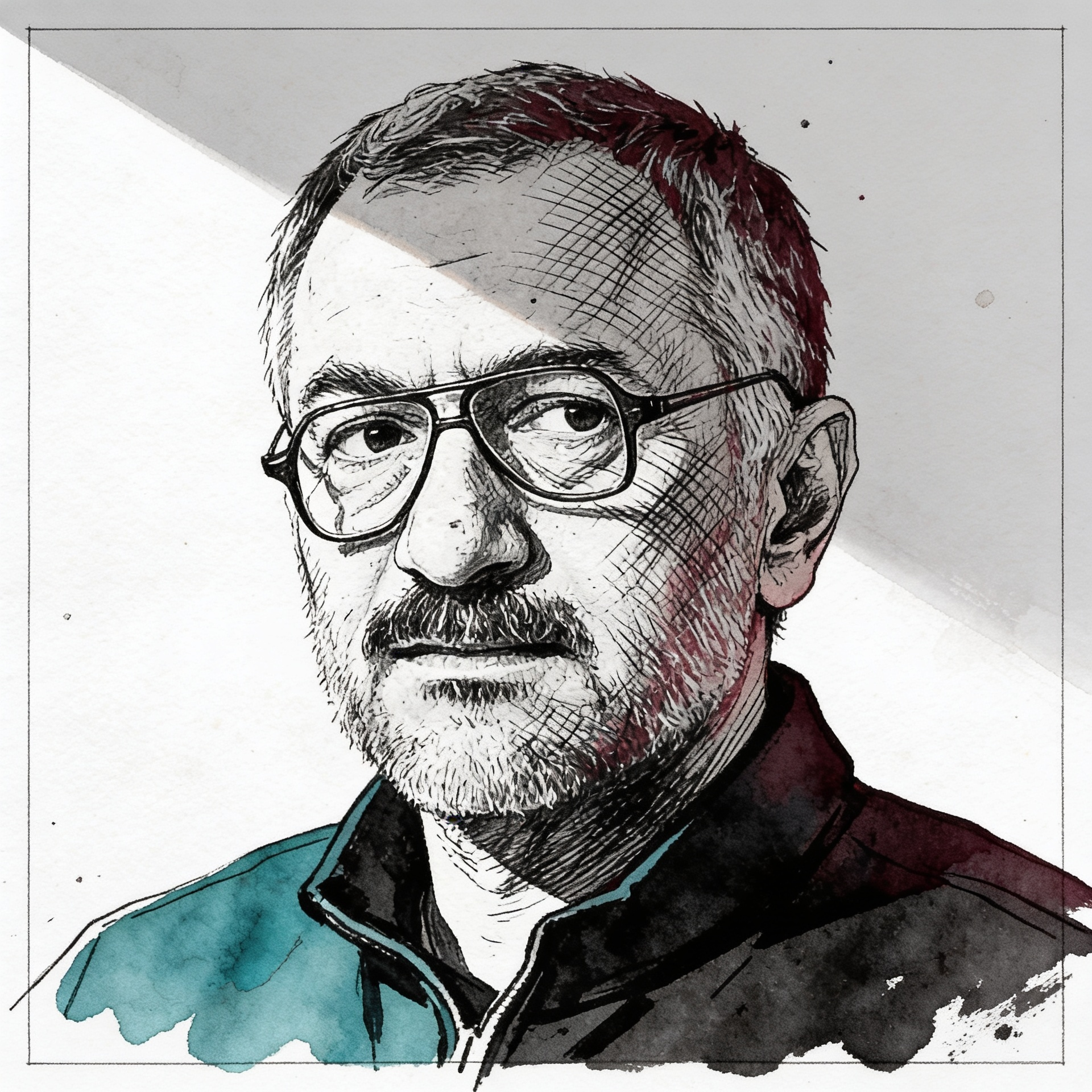
Saeed Laylaz
Iranian economist and political analyst; reformist commentator on sanctions and conflict economics.
Last refreshed: 21 May 2026 · Appears in 1 active topic
Can an Iranian economist critical of the government still publish during the 2026 conflict?
Timeline for Saeed Laylaz
Rial bill, yuan portal, two ships
Iran Conflict 2026Mentioned in: Vance departs for Islamabad with no Iran yes
Iran Conflict 2026Mentioned in: Iran tables bill to leave NPT
Iran Conflict 2026Mentioned in: Leaked tape: Khamenei wife, son killed
Iran Conflict 2026Iran FM shifts: this war must end
Iran Conflict 2026Background
Saeed Laylaz is an Iranian economist, political analyst, and former government official WHO has been a prominent commentator on Iran's economic conditions and Foreign Policy throughout the 2026 conflict. He is associated with the reformist current in Iranian politics and has been cited by international media as a credible Independent voice on Iran's economic situation under sanctions and wartime conditions. In the current conflict context, Laylaz has been referenced in analyses of Iran's capacity to absorb economic pressure and the domestic political dynamics affecting the Pezeshkian government's negotiating posture.
Laylaz previously served in the Iranian government during the Rafsanjani and Khatami eras, with expertise in oil and gas economics. He has been detained by Iranian authorities on multiple occasions related to his commentary on economic and political conditions, a pattern that reflects the structural tension between Iran's Independent analytical community and the security apparatus. His continued public commentary during the 2026 conflict period indicates he was not detained as of the Lowdown coverage period.
His significance to Lowdown coverage is as an independent Iranian voice on the economic dimensions of the conflict, particularly the sanctions pressure, the Hormuz economic architecture, and the domestic political constraints on any negotiated settlement.