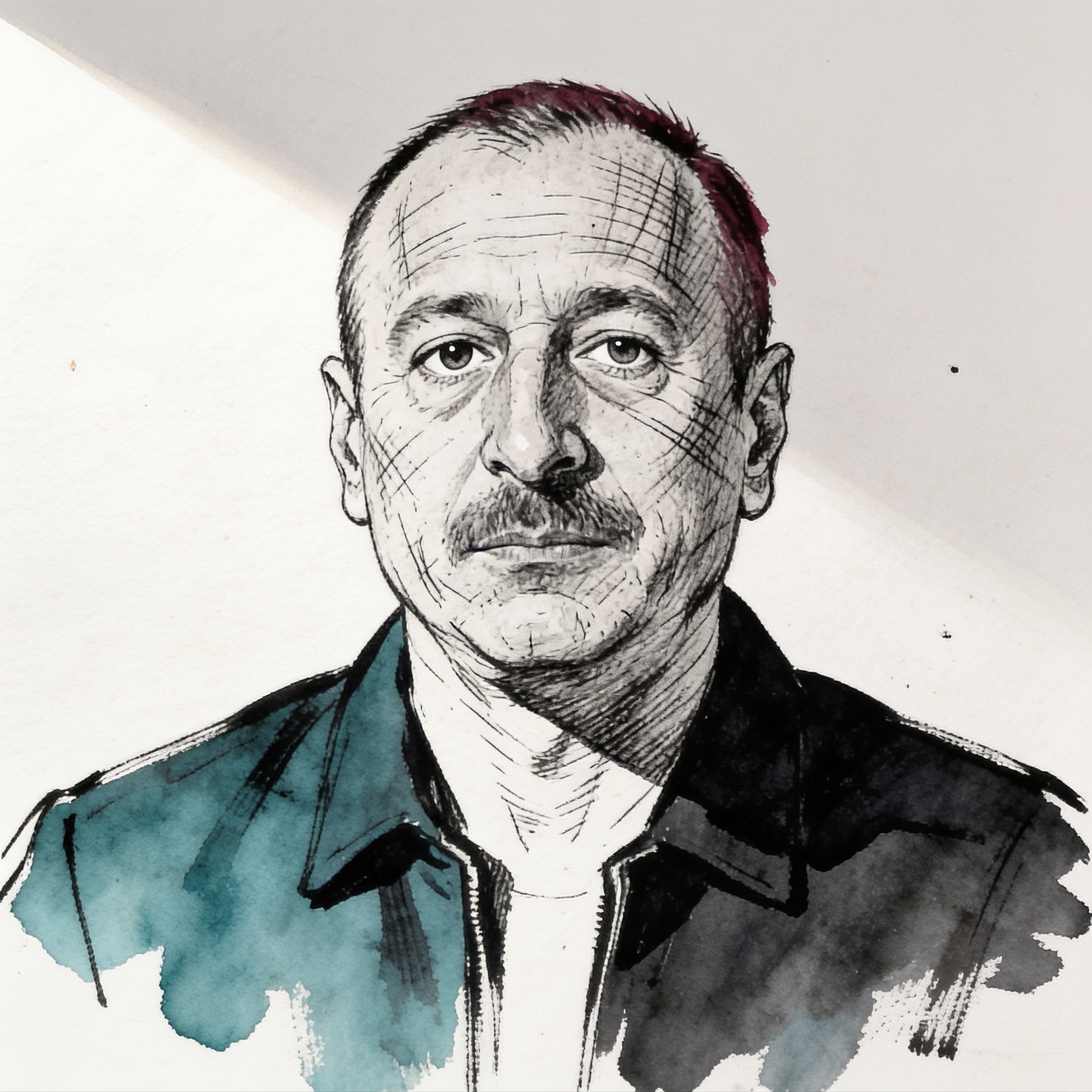
Saad al-Kaabi
QatarEnergy CEO and Qatar's energy minister; controls and communicates Ras Laffan LNG restart timelines.
Last refreshed: 30 June 2026 · Appears in 2 active topics
With restart timelines in his hands, what is al-Kaabi saying about the autumn LNG supply cliff?
Timeline for Saad al-Kaabi
Rejected Bessent's forecast that Hormuz becomes worthless
Iran Conflict 2026: Qatar refuses to hedge against HormuzOrdered the Ras Laffan ramp-halt and force majeure extension
European Energy Markets: Qatar halts LNG ramp on carrier strikeConfirmed LNG exports were unaffected by the 21 June Barzan facility blast
European Energy Markets: LNG arb hits parity, Qatar trains darkMentioned in: Two Qatar LNG trains destroyed for good
Iran Conflict 2026Background
Saad Sherida al-Kaabi serves as both President and CEO of QatarEnergy and Qatar's Minister of State for Energy Affairs, making him the single official WHO controls the world's largest LNG exporting operation and sets its diplomatic framing. In June 2026, he confirmed that the 21 June blast at Ras Laffan struck the domestic Barzan gas processing plant rather than the LNG export trains, providing the first authoritative assurance that export capacity had not been further reduced beyond the March strikes.
Al-Kaabi has led QatarEnergy since 2014 and oversaw the North Field Expansion project, which aimed to grow Qatar's LNG output from 77 to 126 million tonnes per year (mtpa) before the 2026 conflict. His dual government-CEO role means Qatar's energy and Foreign Policy decisions flow through one desk: LNG restart timelines, Force majeure communications to buyers, and public statements on Hormuz transit status all originate with him.
Following the March 2026 Iranian strikes on Ras Laffan, al-Kaabi publicly confirmed that two production trains had been destroyed. In June he guided buyers to a 50% capacity recovery within one month of safe Hormuz passage and 80% within two months, while acknowledging that the two permanently destroyed trains impose a structural CAP. Those timelines remain without a trigger date while SAFE passage is legally contested.
Who is Qatar's energy minister in charge of LNG exports?
What did Qatar's energy minister say about the Ras Laffan blast in June 2026?
When did al-Kaabi say Qatar can restart LNG production?
How much of Qatar's LNG output was permanently damaged in 2026?
