REPowerEU
EU 2022 plan to phase out Russian fossil fuel imports by 2027; gas import ban under review at Madrid Forum.
Last refreshed: 29 April 2026
Can the EU ban the last Russian gas imports before the 2027 deadline?
Timeline for REPowerEU
Mentioned in: EUA carbon breaks €80 as gas sags
European Energy MarketsMadrid Forum opens with REMIT 2.0
European Energy MarketsBackground
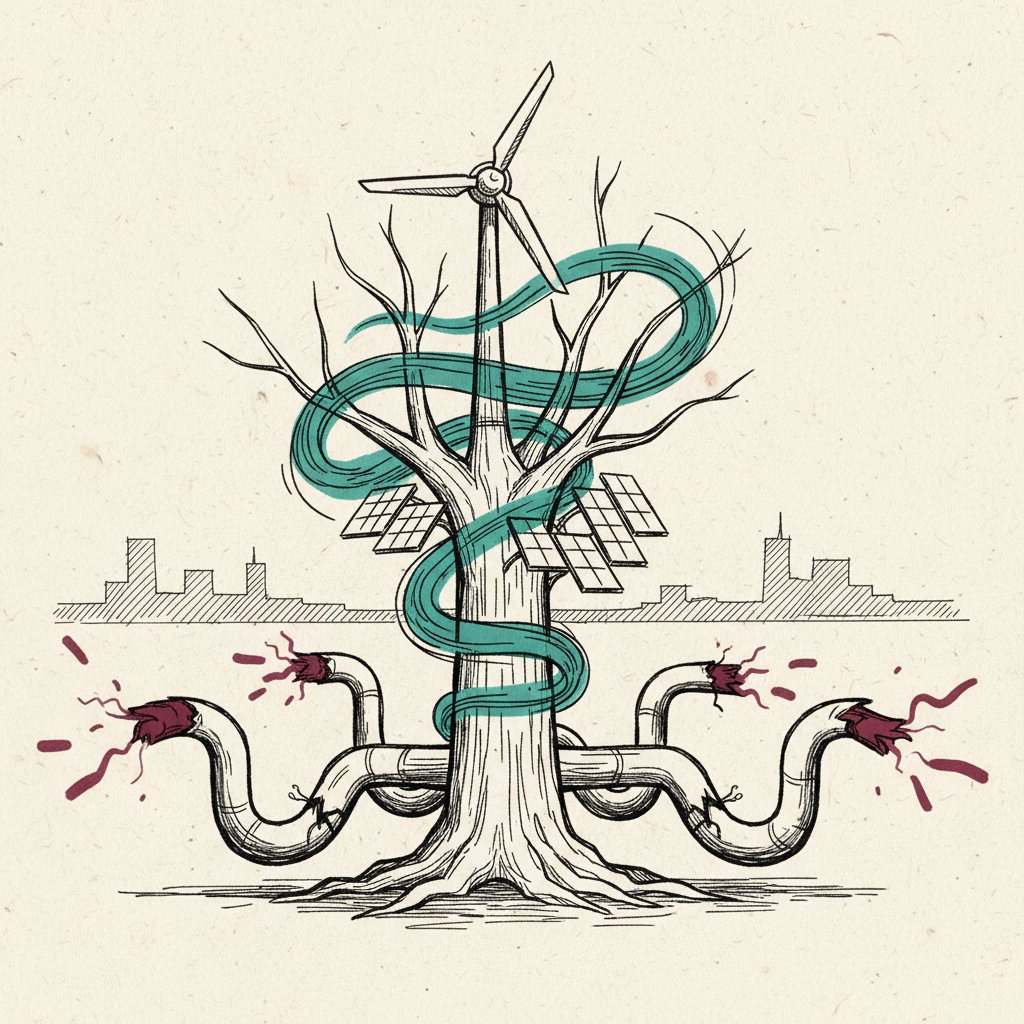
REPowerEU is the European Commission's May 2022 plan to end EU dependence on Russian fossil fuel imports ahead of the original 2030 target, brought forward to 2027 in response to Russia's invasion of Ukraine. The plan's gas import ban component was under review at Day 2 of the 40th Madrid Gas Regulatory Forum on 29 April 2026, alongside the Hydrogen and Decarbonised Gas Markets Package rollout.
REPowerEU set out three pillars: diversification of gas supplies (LNG import capacity expansion, new Norwegian and Azerbaijani pipeline volumes), acceleration of renewable energy deployment, and energy efficiency measures to reduce overall demand. The plan allocated €300 billion in investment, largely channelled through the Recovery and Resilience Facility. Gas storage targets — which by 2026 had evolved into the 80% mandatory fill obligation and the 115 TWh cold-year target coordinated via EBN — originate from the REPowerEU storage security framework.
Two years after publication, REPowerEU's core goal of ending Russian supply dependence has been substantially achieved for gas (Russian pipeline imports fell from ~40% to below 10% of EU supply by late 2025) but the oil import ban remains contested. The Madrid Forum review is focused specifically on the gas import ban mechanism and whether the 2027 target remains achievable given residual TurkStream flows to Hungary and Slovakia.