PPA Recommendation
EU Commission recommendation published 22 April 2026 to remove barriers to corporate PPAs.
Last refreshed: 22 April 2026 · Appears in 1 active topic
Will the EU PPA Recommendation actually reduce European corporate energy bills?
Timeline for PPA Recommendation
Published same day as a structural investment measure for power purchase agreements
European Energy Markets: AccelerateEU skips gas storage injection mechanism entirelyBackground
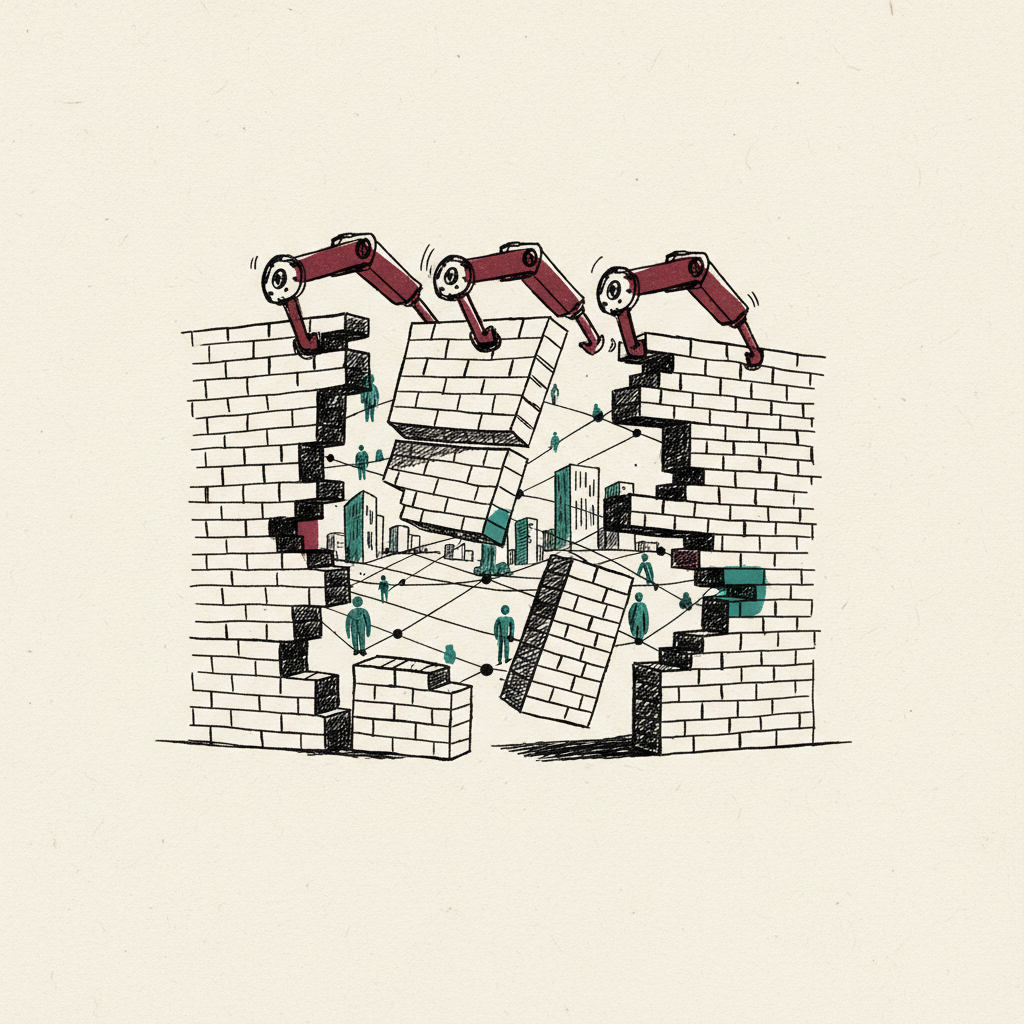
The PPA Recommendation is a European Commission recommendation published on 22 April 2026, alongside the AccelerateEU package, calling on member states to remove structural barriers to long-term Power Purchase Agreements (PPAs). A PPA is a direct contract between an electricity generator and a corporate buyer for a fixed volume at a fixed or formula-linked price, typically over 10-20 years, bypassing wholesale day-ahead markets. The recommendation identifies national barriers including inconsistent grid connection rules, administrative complexity, and the absence of contract-for-difference guarantees that would allow smaller corporate buyers to access the PPA market.
the Commission framing positions PPAs as a structural, non-emergency tool for reducing corporate exposure to the gas-price volatility that the merit-order design transmits into day-ahead electricity prices. IEEFA analysis published two days earlier found that gas still sets clearing prices at €120-150/MWh across Italy and Germany on low-wind sessions, meaning that diversified generation portfolios do not insulate corporate buyers from gas price signals unless those buyers have locked in long-term offtake contracts.
The recommendation has no binding legal force; it asks member states to act but carries no enforcement mechanism. Its significance is architectural: the Commission is signalling that PPAs are the preferred structural response to energy price exposure, in contrast to price-CAP or windfall-levy instruments.