Oxford Quantum Circuits
Oxford University spinout building fault-tolerant quantum computing systems, operating commercially in the UK, US, Japan and Spain.
Last refreshed: 7 June 2026 · Appears in 1 active topic
Why did OQC just raise the biggest private quantum round in European history?
Timeline for Oxford Quantum Circuits
raised £260m Series C, Europe's largest-ever private quantum round
UK Startups and Innovation: OQC raises £260m in Europe's biggest quantum round- What is the coaxmon quantum computing architecture?
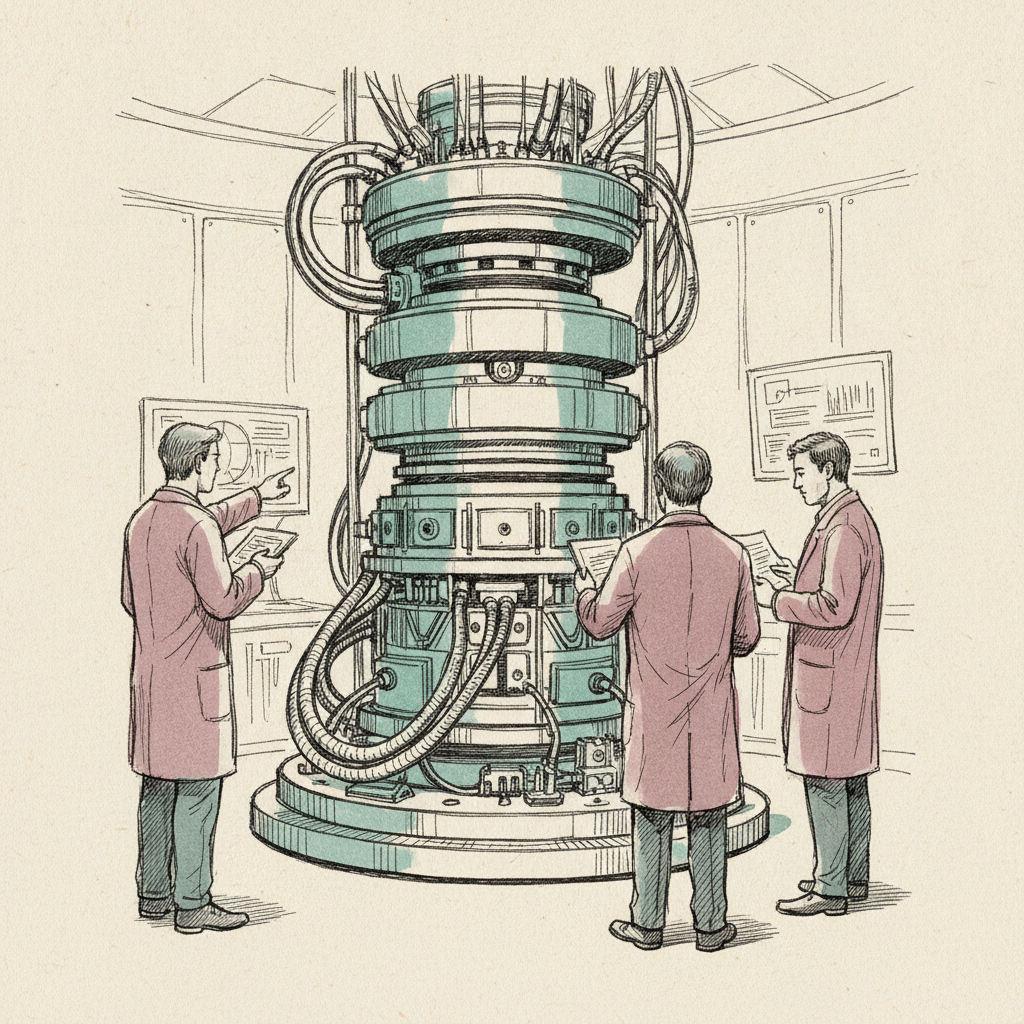
- The coaxmon is a superconducting qubit design patented by OQC in which the qubit sits inside a coaxial structure, reducing electromagnetic interference and improving coherence times compared with planar qubit designs.Source: OQC Series C announcement, June 2026
- How much has Oxford Quantum Circuits raised in total?
- OQC raised £260m ($350m) in a Series C in June 2026, Europe's largest private quantum round, bringing total disclosed funding to well over £300m including earlier rounds.Source: Series C press release, June 2026
- Which countries does OQC operate quantum systems in?
- OQC has deployed quantum systems in the UK, United States, Japan and Spain, making it one of the few European quantum hardware firms with live international deployments.Source: OQC Series C announcement, June 2026
- Who founded Oxford Quantum Circuits?
- OQC was founded by Dr Peter Leek, a physicist at the University of Oxford, as a spinout commercialising his coaxmon superconducting qubit research.Source: OQC company history
Background
Oxford Quantum Circuits (OQC) is a superconducting quantum-computing hardware company that raised £260m ($350m) in a Series C round on 2 June 2026, the largest private quantum funding round in European history. The round was led by Bullhound Capital and included the British Business Bank, Rokos Capital Management, COFIDES, Chevron Technology Ventures, SBI, UTEC, Magdalen College Oxford and Oxford Science Enterprises.
OQC was founded by physicist Dr Peter Leek as a spinout from the University of Oxford, and commercialises the "coaxmon" qubit architecture, a patented superconducting design that places the qubit inside a coaxial structure to reduce electromagnetic interference and improve coherence times. The company operates quantum systems across four countries: the UK, US, Japan and Spain, making it one of the few European quantum hardware firms with live international deployments. It supplies cloud-accessible Quantum computing capacity to enterprise and research customers.
OQC occupies a strategically significant position in the UK Government's ambition to become a Tier 1 quantum nation by 2033. The Series C positions it as the largest independently funded European quantum hardware company, with the British Business Bank's participation signalling deliberate public co-investment in the sector. Its coaxmon architecture differentiates it from US incumbents (IBM, Google) and represents one of a small number of non-US quantum hardware lineages with genuine commercial traction.