National Pollutant Discharge Elimination System
US federal permit programme for discharges into waterways under the Clean Water Act.
The federal water permit became a brake on data centres on 9 October 2026, when Oregon's governor asked the state to stop issuing NPDES permits, and several state permits, to new or expanded sites until 1 July 2027.
Last refreshed: 18 October 2026 · Appears in 1 active topic
Can a water discharge permit stop a data centre being built?
Timeline for National Pollutant Discharge Elimination System
Kotek seeks pause on data-centre permits
Data Centres: Boom and BacklashMentioned in: Amazon discharge nears Lake Anna vote
Data Centres: Boom and BacklashBackground
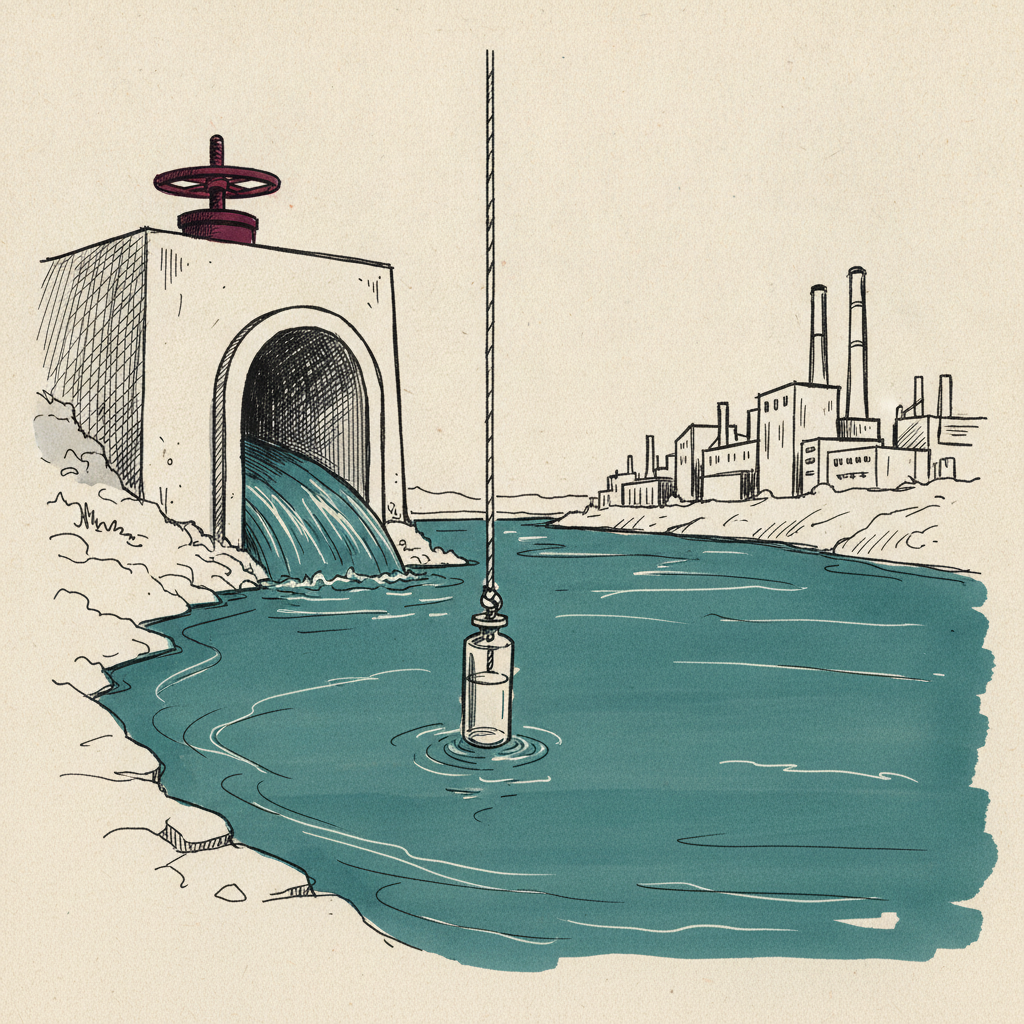
The National Pollutant Discharge Elimination System is the permit programme the Clean Water Act created in 1972. It covers point sources that release pollutants into US waters: each permit licenses one facility to discharge a set amount of a pollutant into a named receiving water. The Environmental Protection Agency oversees it and has authorised 47 states and one territory to run it. In Oregon the Department of Environmental Quality issues NPDES permits under that authority, next to its own state permits for discharges to the ground.
On 9 October 2026 Governor Tina Kotek asked the department to stop granting NPDES permits, along with state water and air permits, to new or expanded data centres until July 2027. The request also reaches municipal sewage plants seeking leave to take data-centre wastewater.
Discharge permits are routine, run by the states and needed before a plant operates, so they hand governors a way to slow data centres without passing a new law. Texas Governor Greg Abbott had already told his state's environmental regulator to pause every data-centre permit.
What is an NPDES permit?
Who issues NPDES permits?
Why did Oregon pause water permits for data centres?




Written with AI from Lowdown's published reporting. Not individually reviewed by an editor. Updated 18 October 2026. Editorial standards.