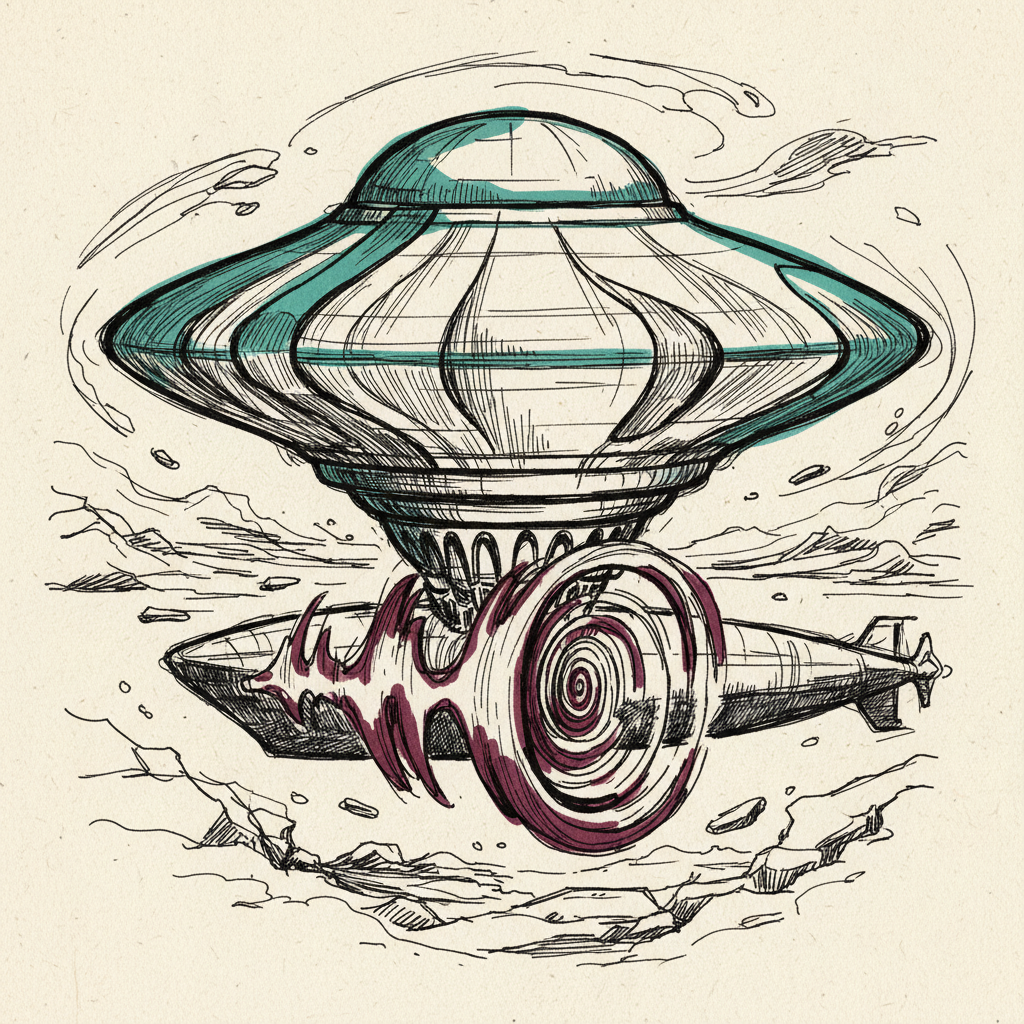
Maham-7
Iranian seabed limpet mine with sonar-evading design; sibling to the Maham-3.
Last refreshed: 11 April 2026 · Appears in 1 active topic
If Iran can't locate the Maham-7 mines, what does clearance actually require?
Timeline for Maham-7
Mentioned in: Pentagon gives Congress Hormuz clock Trump has not
Iran Conflict 2026Mentioned in: US warships transit Hormuz for mines
Iran Conflict 2026Background
The Maham-7 is an Iranian-manufactured seabed limpet mine, designed to rest on the seafloor rather than float at depth like its sibling the Maham-3. Its sonar-evading construction makes it harder to detect using standard naval minesweeping equipment. Both models were identified by US intelligence as part of Iran's Hormuz minefield deployed in April 2026, a field Iran subsequently lost reliable track of.
The seabed limpet configuration gives the Maham-7 a lower acoustic and magnetic profile than moored mines. Detection requires hull-mounted or autonomous underwater vehicle sweeps rather than surface-towed paravanes, complicating any international clearance operation. Iran's acknowledgement of lost placement records applies equally to both models.
The practical consequence is a persistent, uncharted hazard in a waterway through which roughly 20% of global oil transits under normal conditions. With Hormuz transits reduced to 5-7 per day and more than 600 vessels stranded inside the Gulf, the Maham-7's presence adds an additional deterrent against resumed shipping even after any Ceasefire.
What is a seabed limpet mine and how is it different from a regular naval mine?
How do you clear Iranian mines from the Strait of Hormuz?
Are the Hormuz mines still dangerous after a ceasefire?

