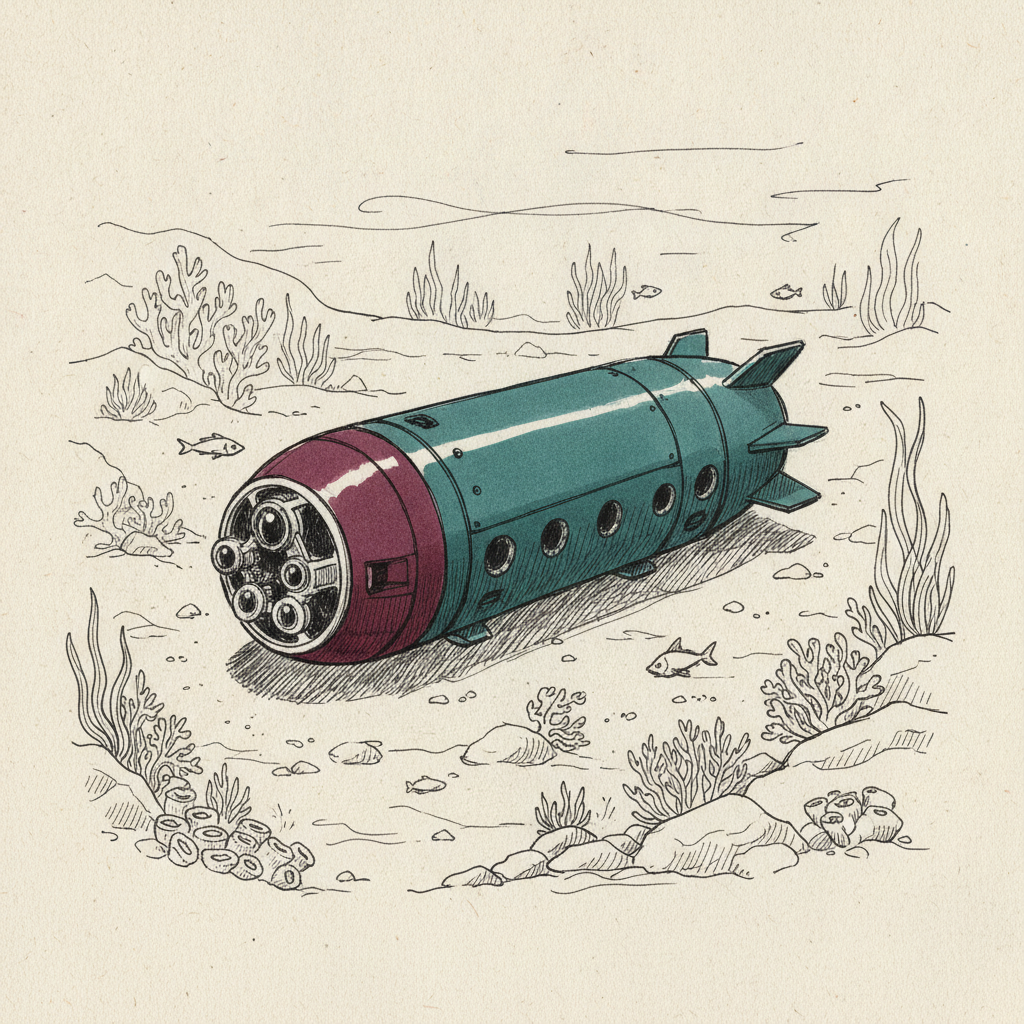
Lionfish
HII small uncrewed underwater vehicle in US Navy production.
The US Navy's Lionfish order stood at 175 vehicles after HII said on 16 November 2026 that an updated contract added 82, with room for 200 and a potential value above $347m over five years of production.
Last refreshed: 27 November 2026 · Appears in 1 active topic
Why is the US Navy now buying HII's Lionfish robots by the hundred?
Timeline for Lionfish
US Navy lifts HII Lionfish order to 175
Autonomous Systems: Land & SeaBackground
Lionfish is a small uncrewed underwater vehicle that HII builds for the US Navy at its plant in Pocasset, Massachusetts. It is light enough for a two-person crew to put over the side, and the Navy buys it by the hundred under a 200-vehicle ceiling set in October 2023.
The programme moved deeper into series production in November 2026. HII said on 16 November that the Navy's order now stood at 175 vehicles, within a five-year production run whose potential value exceeds $347m, and 50 had been delivered by 21 October.
With Lionfish, HII now sells underwater robots to navies on both sides of The Atlantic. On 24 November, eight days after the Lionfish announcement, HII signed Britain's mine-hunting robot contract for its larger REMUS 620 vehicles.
The Lionfish order climbs to 175
An updated contract added 82 Lionfish vehicles to the US Navy's order, HII said on 16 November 2026, bringing the total to 175. The Navy is filling a 200-vehicle ceiling it set in October 2023, and the five-year production run could be worth more than $347m.
By 21 October, before the announcement, HII had already handed over 50 Lionfish from its plant at Pocasset, Massachusetts. The company did not say whether the Navy had exercised an option or changed the contract terms. Each vehicle is light enough for two sailors to launch.
How many Lionfish drones has the US Navy ordered?
How much is the Lionfish contract worth?
Where is the Lionfish underwater vehicle built?

Written with AI from Lowdown's published reporting. Not individually reviewed by an editor. Updated 27 November 2026. Editorial standards.