Kozhikode
Northern Kerala district; epicentre of every Indian Nipah outbreak since 2018.
Last refreshed: 16 June 2026 · Appears in 1 active topic
Why has Kozhikode been at the centre of every Kerala Nipah outbreak since 2018?
Timeline for Kozhikode
Kerala Nipah quiet two weeks on
Pandemics and BiosecurityKerala catches a Nipah case early again
Pandemics and BiosecurityBackground
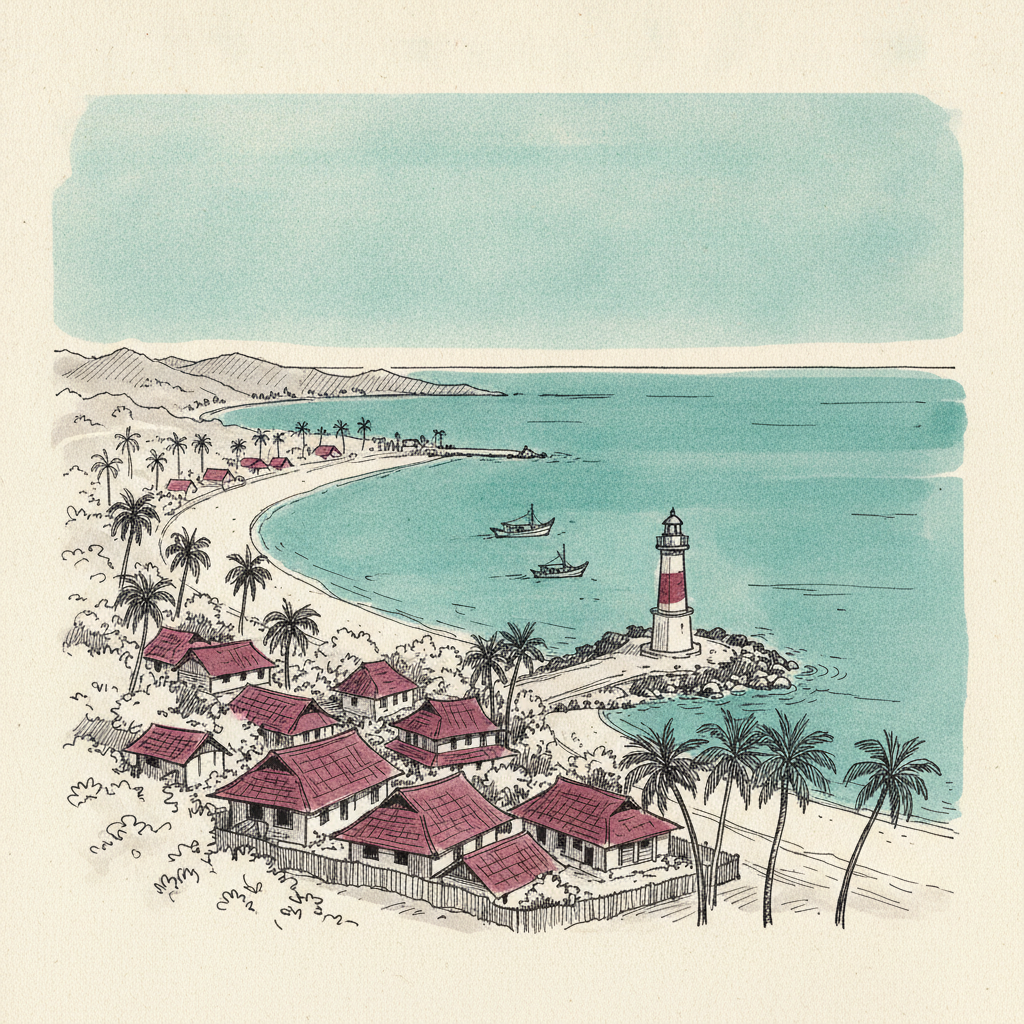
Kozhikode (historically known as Calicut) is a district and port city on the northern Malabar Coast of Kerala, India. The city is the administrative and commercial hub of the district, home to roughly 2 million people in the wider district area. Its Government Medical College Hospital is the principal infectious-disease treatment centre for the region and has been the primary clinical facility for every Nipah case treated in Kerala.
Kozhikode has been the confirmed epicentre of all Kerala Nipah clusters since 2018, when India's first documented outbreak killed 17 people. The reservoir is Pteropus medius, the Indian flying FOX, which roosts widely across the district's coconut and fruit orchards. Human exposure most commonly occurs through contact with bat droppings or partially eaten bat-contaminated fruit, or through close contact with an infected patient. In the June 2026 event, a 43-year-old man was confirmed infected after cleaning a bat-roosted building; he was placed on ventilator support in critical condition. The ICMR deployed a response team, and contact tracing encompassed approximately 100 people, including 58 healthcare workers, before three consecutive days without new positives suggested early containment was holding.
The district's recurring role in Nipah events has made it the de facto field laboratory for spillover-response protocol development. Each contained event adds to an institutional knowledge base shared between Kozhikode's clinical teams, the Kerala health directorate, and ICMR, and is studied internationally as a model of sub-national epidemic preparedness operating without a licensed vaccine or treatment.
Where is Kozhikode in India?
Why is Kozhikode the epicentre of Nipah outbreaks in India?
What hospital treats Nipah patients in Kerala?
How did the June 2026 Nipah case in Kozhikode start?