Gang of Eight
The eight senior US congressional leaders who receive classified intelligence briefings, comprising the House and Senate majority and minority leaders and the chairs and ranking members of the intelligence committees.
Last refreshed: 17 June 2026 · Appears in 1 active topic
Why did Congress demand a Gang of Eight briefing on the Iran deal and what can they actually do with it?
Timeline for Gang of Eight
Mentioned in: MOU text still secret 24h after sign
Iran Conflict 2026Background
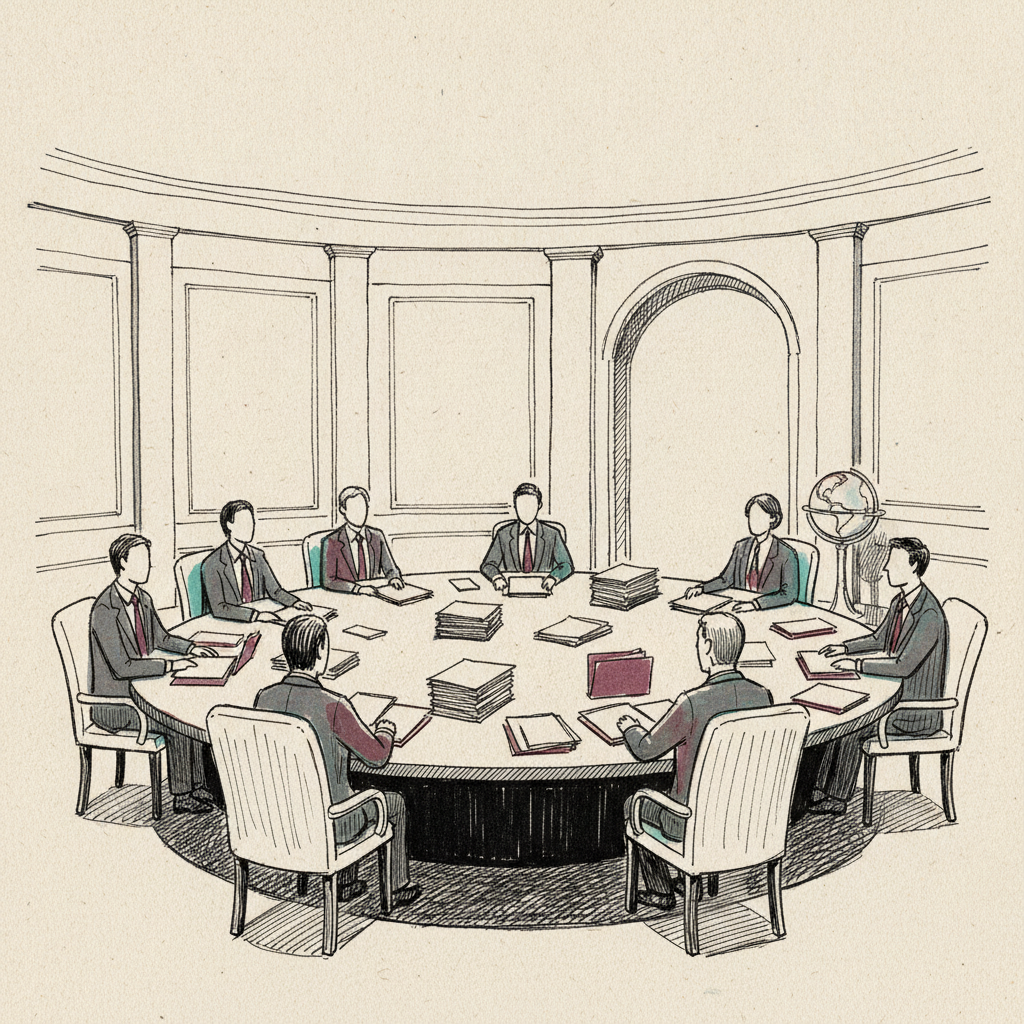
The Gang of Eight is the informal name for the eight most senior members of the United States Congress who receive classified intelligence briefings that are withheld from the broader legislature. The group comprises the Speaker of the House, the House Minority Leader, the Senate Majority Leader, the Senate Minority Leader, and the four chairs and ranking members of the Senate and House intelligence committees. The President is legally required under the National Security Act to keep this group informed of covert actions and significant intelligence activities, giving the Gang of Eight a unique role in congressional oversight of executive intelligence operations.
In practice, the Gang of Eight is the only congressional body with routine access to compartmentalised programmes and covert activities. Briefings are confidential, members may not share The Information with staff or colleagues, and the group has no collective decision-making authority. Its power is oversight rather than veto: members can object and make their objections known to the President, but they cannot compel disclosure or halt an operation. The constitutional and statutory ambiguity around what the executive must disclose has been tested repeatedly during intelligence controversies.
In June 2026 Senate Minority Leader Chuck Schumer demanded a Gang of Eight briefing on the Islamabad memorandum, responding to reports that Iran's critical commitments were not in the signed text but existed as verbal side-deals transmitted through a back-channel. The demand reflected the group's function as the oversight floor when the administration withholds treaty-level commitments from regular congressional review.
What is the Gang of Eight in US Congress?
Why did Schumer demand a Gang of Eight briefing on the Iran deal?
Can the Gang of Eight block a presidential foreign policy decision?
