Does Lega Calcio bear partial responsibility for Italy's World Cup crisis?
Timeline for Lega Calcio
Mentioned in: Italy Miss Third Consecutive World Cup
2026 FIFA World CupAbodi Demands Gravina Resign as FIGC Crisis Deepens
2026 FIFA World CupBackground
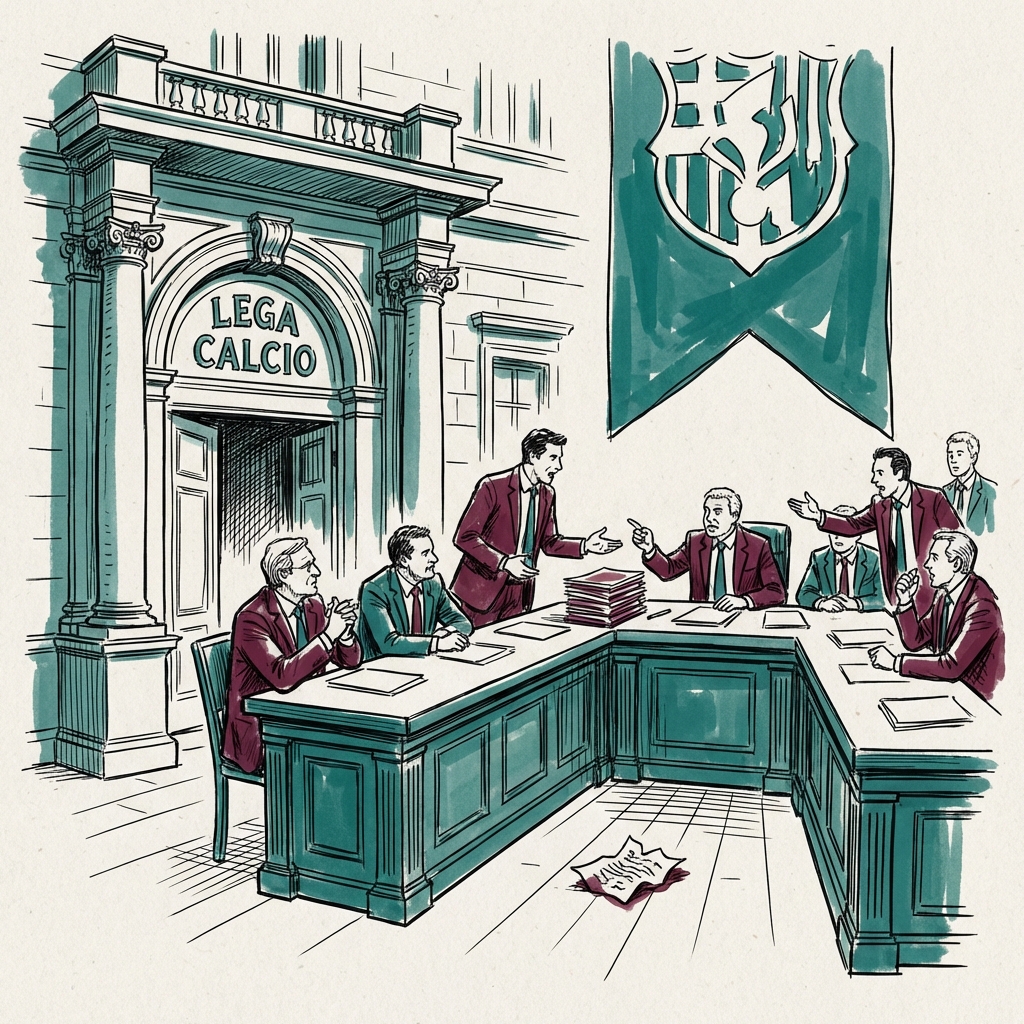
Lega Serie A (commonly known as Lega Calcio) is the governing body of Serie A, Italy's top professional football division. It represents the 20 clubs competing in the league and is formally distinct from the FIGC, which governs The National team and broader football administration. Following Italy's 4-1 penalty defeat to Bosnia and Herzegovina on 31 March 2026, Lega Calcio issued a statement calling the result "an unacceptable disgrace" and aligned publicly with calls for Gabriele Gravina's resignation as FIGC president.
The relationship between the league body and the federation has long been a source of structural tension in Italian football. Clubs routinely resist releasing players for international duty and have historically pushed back against the number of international windows in the calendar. Critics note a certain irony in Lega Calcio condemning the outcome of a system that club resistance has partly created.
Italy's three consecutive World Cup absences have commercial implications for Serie A: The National team's absence reduces the international profile of Italian football and limits the leverage clubs have in global broadcast negotiations. Lega Calcio's intervention is therefore both a genuine governance complaint and a commercially motivated call for Reform.
What is Lega Calcio?
What is the difference between Lega Calcio and FIGC?
Did Italy's football league demand Gravina resign after the 2026 World Cup?
Written with AI from Lowdown's published reporting. Not individually reviewed by an editor. Updated 1 April 2026. Editorial standards.