Executive Order 13846
August 2018 US Executive Order restoring OFAC secondary sanctions on Iran's energy and financial sectors after the US withdrawal from the JCPOA.
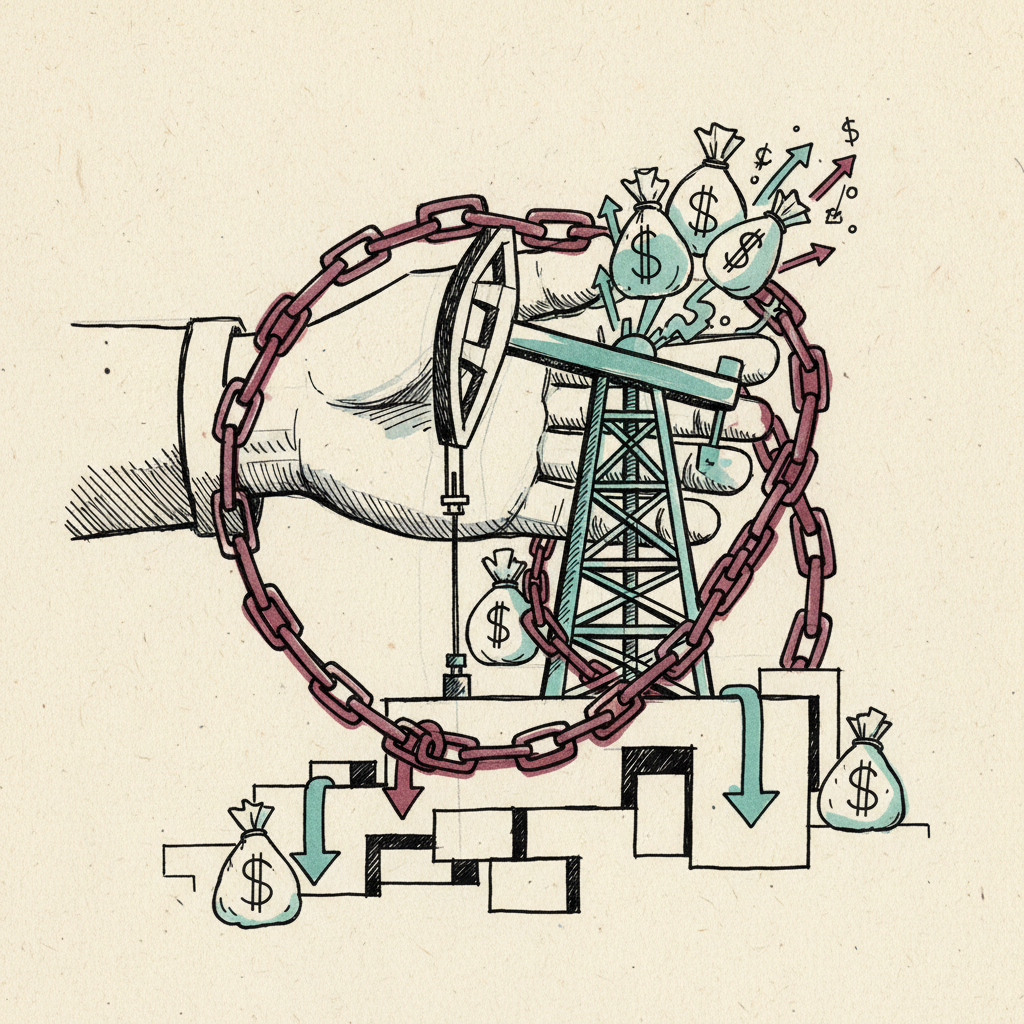
Executive Order 13846 has authorised US secondary sanctions on Iran's oil, gas and financial sectors since 6 August 2018; China's Ministry of Commerce moved to block its reach with Announcement No. 21 in May 2026.
Last refreshed: 6 August 2026 · Appears in 1 active topic
Can EO 13846 survive China's blocking statute making compliance illegal for Chinese firms?
Timeline for Executive Order 13846
OFAC publishes the licence it revoked
Iran Conflict 2026Mentioned in: Washington reached for the weaker law
Iran Conflict 2026OFAC designates twelve for IRGC oil routing
Iran Conflict 2026Mentioned in: Economic Fury hits four Hong Kong shells
Iran Conflict 2026Background
President Trump signed Executive Order 13846 on 6 August 2018, reimposing the full range of US secondary sanctions on Iran's oil, gas, petrochemical and financial sectors after Washington withdrew from the Joint Comprehensive Plan of Action that May. The order lets OFAC designate foreign individuals and entities that transact with sanctioned Iranian sectors, creating secondary liability for non-US parties, and has remained the principal legal instrument behind OFAC's Iran sanctions programme, covering major Iranian banks, the Central Bank of Iran, NIOC and the shipping sector.
At its point of maximum effect the order's energy provisions helped cut Iranian oil exports from roughly 2.5 million Barrels Per Day in 2018 to under 300,000 bpd during 2019-2020. Biden-era negotiators sought to revisit it as part of a JCPOA revival; those talks collapsed without a deal.
In May 2026, China's Ministry of Commerce issued Announcement No. 21, specifically targeting EO 13846 and EO 13902 and activating China's Blocking Statute, which creates a direct legal conflict for multinational firms caught between the two regimes. The challenge became a point of leverage for Beijing ahead of the 14-15 May Trump-Xi summit preparations.
What did Executive Order 13846 do to Iran?
Why did China target Executive Order 13846 with its blocking statute?
Is Executive Order 13846 still in force in 2026?



