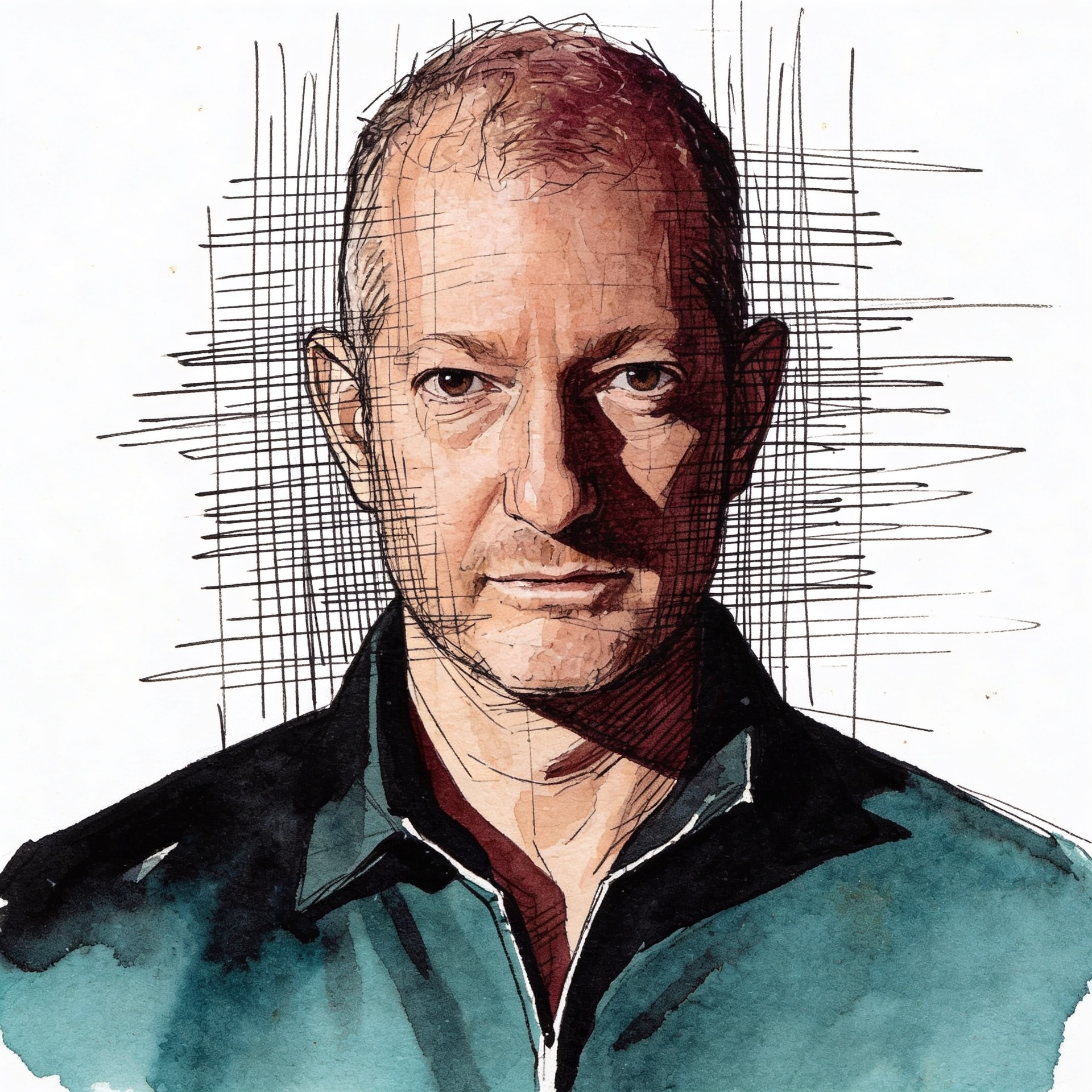
Evan Feigenbaum
Carnegie Endowment Vice President for Studies; China-US relations and economic-statecraft expert.
Last refreshed: 9 May 2026 · Appears in 1 active topic
Why is Beijing publicly protesting the tanker strikes while quietly complying with US sanctions?
Timeline for Evan Feigenbaum
Mentioned in: Beijing splits MOFCOM defiance from NFRA loan halt
Iran Conflict 2026Background
Evan Feigenbaum is Vice President for Studies at the Carnegie Endowment for International Peace in Washington DC, where he leads the think-tank's research on Asia, economics, and Foreign Policy. A former US Deputy Assistant Secretary of state for South and Central Asia under both the George W. Bush and Obama administrations, he specialises in China-US economic relations, Indo-Pacific strategy, and the use of economic statecraft as a foreign-policy tool.
Feigenbaum's commentary on the May 2026 Iran conflict focused on the China angle: specifically, how Beijing's response to the JV Innovation tanker strike and the NFRA's simultaneous halt on yuan loans to OFAC-sanctioned refineries revealed a two-track Chinese strategy — public defiance at the Foreign Ministry level while quietly accommodating US financial pressure.
His work on economic statecraft and China's calibrated responses to US sanctions pressure makes him a key voice for understanding Beijing's Iran strategy as a function of broader US-China financial interdependence, rather than purely an Iran-specific diplomatic stance.
Who is Evan Feigenbaum at Carnegie?
What does Feigenbaum say about China's response to the Iran sanctions?
What is economic statecraft?

