Does Russia now have a legal basis to deploy troops wherever its officials face ICC warrants?
Timeline for Duma extraterritorial-deployment bill
Passed first reading 413-0-0 in State Duma on 14 April
Russia-Ukraine War 2026: Duma passes extraterritorial deployment bill 413-0Background
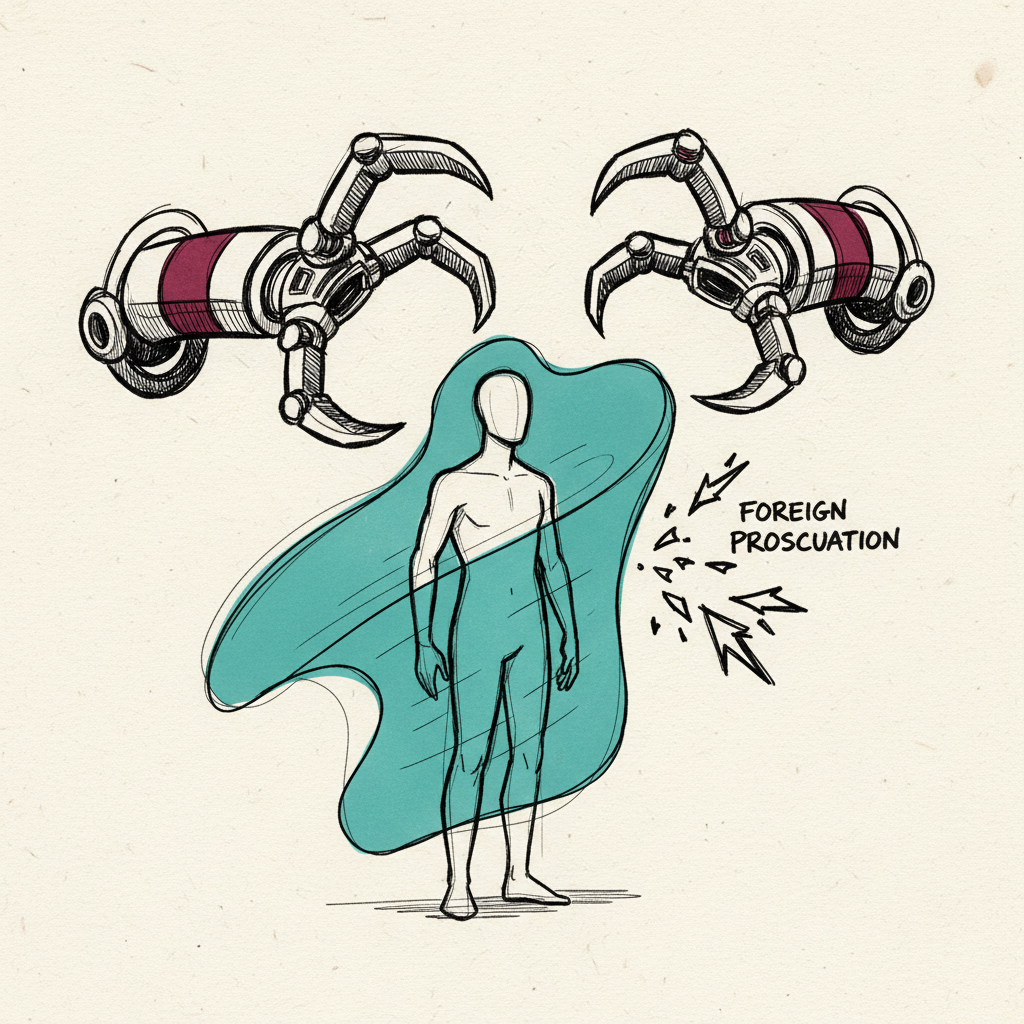
The Duma extraterritorial deployment bill passed its first reading in the Russian State Duma on 14 April 2026 by a vote of 413-0-0, with no abstentions. The legislation amends two foundational Russian laws — "On Defence" and "On Citizenship" — to create a legal basis for deploying Russian military forces abroad specifically to protect Russian citizens from what the bill terms "prosecution by foreign courts or security services".
The bill is widely interpreted as a legislative response to the International Criminal Court arrest warrant issued for Vladimir Putin in March 2023, and to similar warrants for other Russian officials. By grounding extraterritorial military action in the protection of Russian citizens from "foreign courts", the bill attempts to create a domestic legal justification for interventions that would otherwise have no basis in Russian law. The unanimous 413-0 vote signals it carries full Kremlin endorsement.
Legal scholars and Western governments have noted the bill's language is broad enough to apply to any country that brings charges against Russian officials or citizens, effectively enabling Russia to claim a defensive legal rationale for military operations in any jurisdiction that enforces international accountability measures. It passed first reading only; additional readings are required before enactment.
What is Russia's extraterritorial deployment bill?
Is Russia's new deployment law a response to the ICC Putin warrant?
How does the Duma extraterritorial bill affect international law?
