Domestic Shield
US homeland counter-drone support programme under JIATF-401, worth $500m to AeroVironment over three years
Domestic Shield added ten firms on 29 September, expanding the US homeland counter-drone programme’s potential supplier base under contract ceilings totalling US$4.15bn.
Last refreshed: 1 October 2026 · Appears in 1 active topic
Timeline for Domestic Shield
Expanded to at least twelve contract holders
Drones: Industry & Defence: JIATF-401 adds ten Domestic Shield firmsServed as the $500m homeland counter-drone support contract vehicle
Drones: Industry & Defence: AeroVironment banks $580.5m in a dayBackground
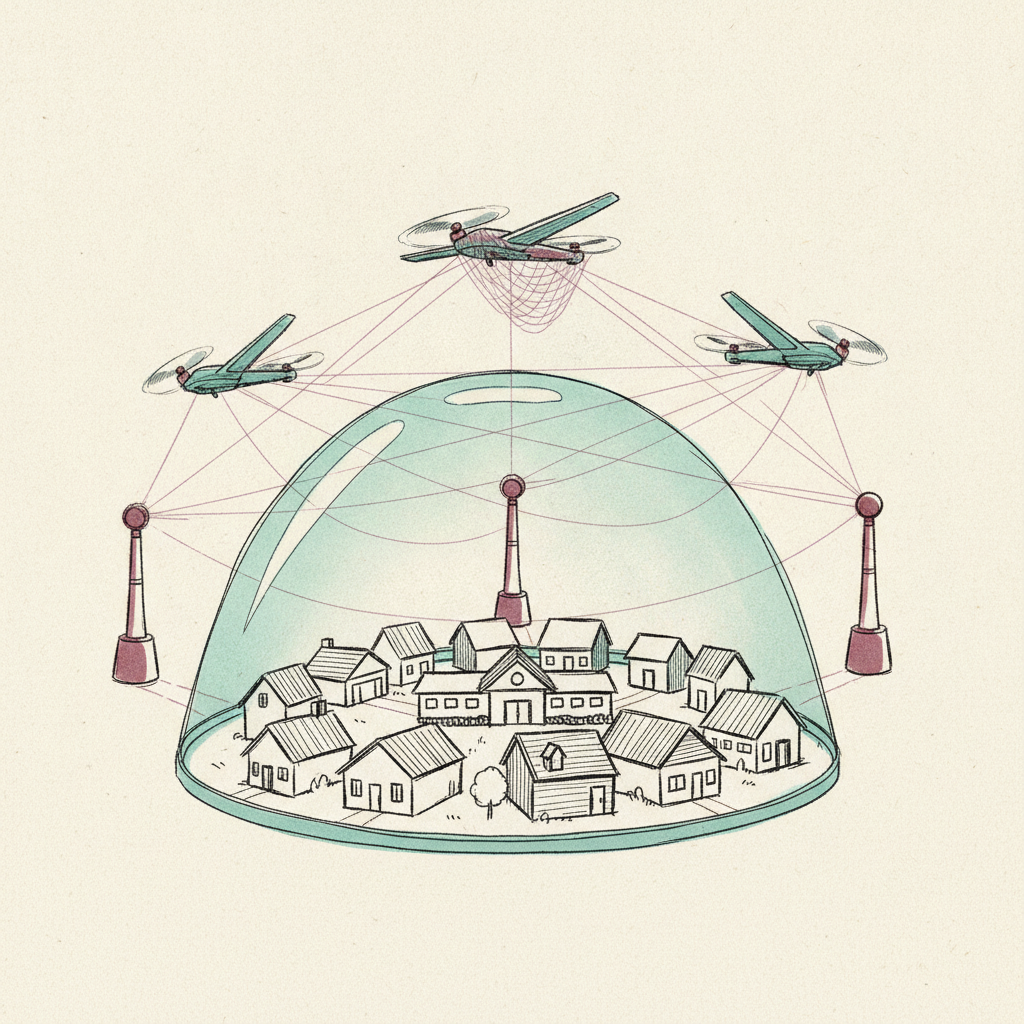
Domestic Shield is a US homeland counter-drone support programme run through JIATF-401. It provides a procurement route for technology and services intended to protect domestic military sites from drone incursions.
The programme sits within a wider US effort to coordinate counter-drone work across defence and homeland-security bodies. Its structure allows JIATF-401 to bring several suppliers into a shared contract vehicle, then compete work through individual task orders.
Domestic Shield matters because domestic counter-drone protection needs sustained procurement, not one-off equipment purchases. On 6 July, AeroVironment received a $500m counter-drone support deal through JIATF-401, showing the programme can support large awards.
Domestic Shield expands its supplier pool
On 29 September, JIATF-401 added ten firms to Domestic Shield, widening the programme’s potential supplier base for counter-drone work at US military sites. Their combined contract ceilings total US$4.15bn, but a ceiling sets the maximum available rather than guaranteed spending.
For Domestic Shield, the expansion makes the programme a competitive procurement vehicle rather than a single-vendor award. Firms must compete for individual orders, and DroneShield said its inclusion guaranteed no sales. That distinction matters because the programme’s future value depends on task orders issued against the framework, not its advertised ceiling.
What is JIATF-401's Domestic Shield programme?
What is JIATF-401?
How much did AeroVironment earn from Domestic Shield?
Why does the US need a homeland counter-drone programme?






