Central African Republic
Landlocked central African state bordering DR Congo across the Ubangi river.
In 2026, the Central African Republic remained a landlocked central African state bordering DR Congo across the Ubangi river.
Last refreshed: 22 October 2026 · Appears in 1 active topic
Timeline for Central African Republic
Mentioned in: Ebola hits an eighth DR Congo province
Pandemics and BiosecurityFaced new export risk from Sud-Ubangi
Pandemics and Biosecurity: Ebola reaches Sud-Ubangi by river boatBackground
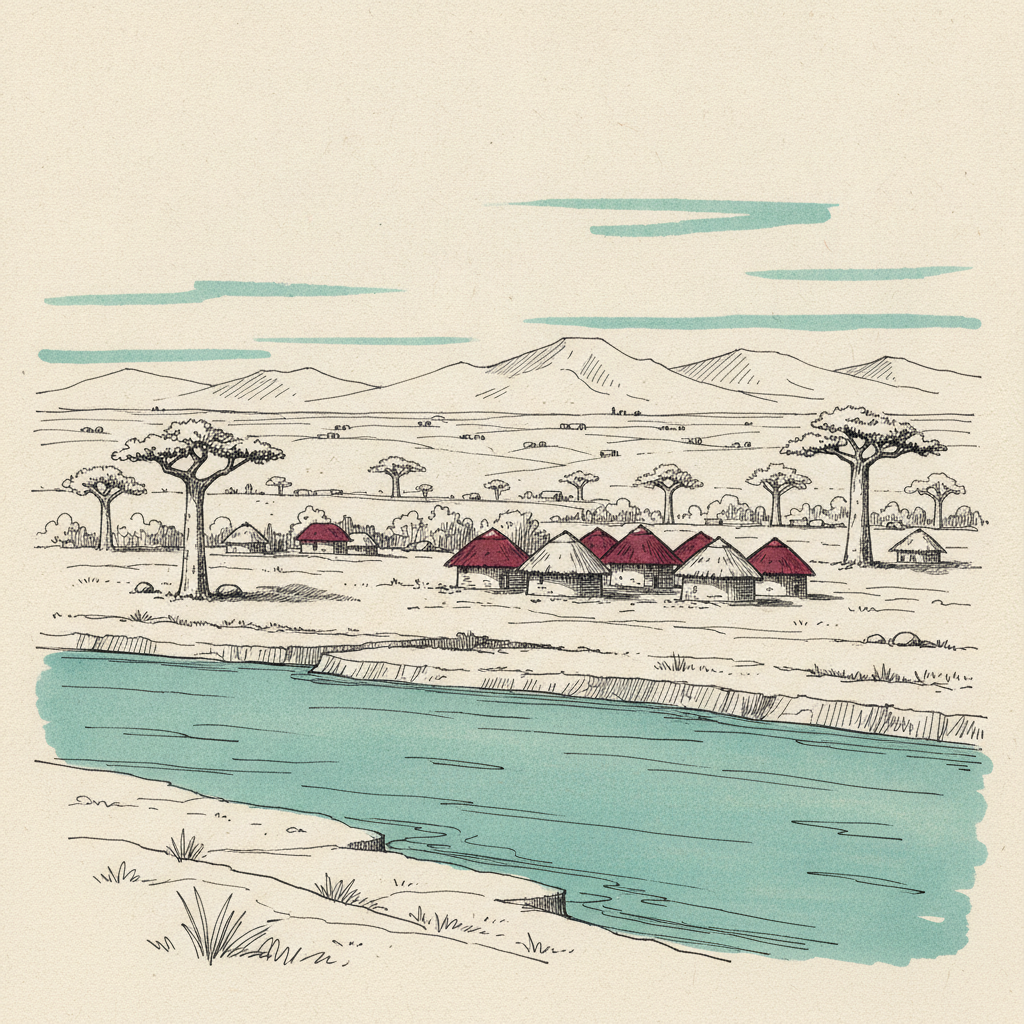
The Central African Republic is a landlocked state in central Africa. Its border with the Democratic Republic of the Congo runs along the Ubangi river, which connects communities and transport routes on both sides.
That geography creates a lasting need for cross-border disease surveillance. An outbreak in northern DR Congo can place the Central African Republic at risk through river travel without establishing that infection has entered the country. The supplied evidence identifies the state as a neighbour and an at-risk country, not as an outbreak site. This distinction is central to the dossier: proximity affects preparedness, border screening and regional coordination, while a domestic case requires separate evidence.
Ebola has reached its southern border
What is the Ebola risk for the Central African Republic?
How close is Ebola to the Central African Republic?
Reference
Where does the Central African Republic border DR Congo?







Written with AI from Lowdown's published reporting. Not individually reviewed by an editor. Updated 22 October 2026. Editorial standards.