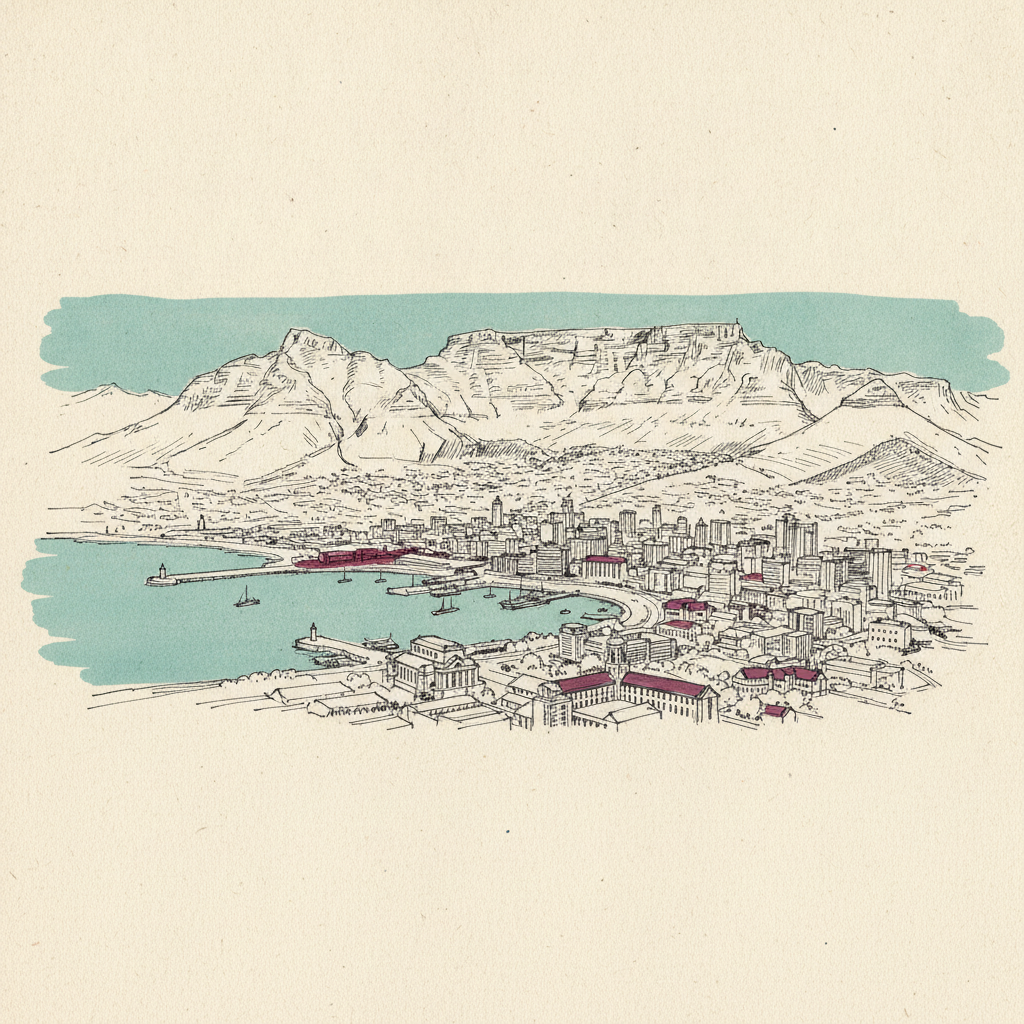
Cape Town
South African port city and the country's legislative capital.
Cape Town has been home to Afrigen's WHO mRNA technology-transfer hub since June 2021; on 27 August 2026 CEPI chose Egypt's Minapharm for an African-made Bundibugyo Ebola vaccine, with up to $16.5m.
Last refreshed: 4 October 2026
Will Cape Town's inner-city wards ever get their homes back from Airbnb?
Timeline for Cape Town
Cape Town eyes commercial rates for lets
Nomads & CommunitiesMentioned in: CEPI awards Minapharm US$16.5m for Ebola
Pandemics and BiosecurityBackground
Cape Town is a South African port city and the seat of the national Parliament, which makes it the country's legislative capital. It is also the capital of the Western Cape province.
The city ranks among Africa's largest short-let markets. By GroundUp's 28 September 2026 count, Airbnb carries over 27,000 Cape Town properties, close to 6,000 of them in inner-city ward 115; there a single host runs 147 flats, and big operators control two of every five listings. Municipal draft rules, with comment closing on 5 October 2026, would give each host a registration number to show on every advert. From 1 July 2027, homes offered for over 183 nights a year would pay commercial property rates, roughly triple what residents pay.
Cape Town also has a place in African vaccine manufacturing. In June 2021 WHO launched an mRNA vaccine technology-transfer hub at Afrigen in the city, to give African manufacturers their own COVID-19 vaccine know-how. When the Coalition for Epidemic Preparedness Innovations chose an African manufacturer for a Bundibugyo Ebola vaccine on 27 August 2026, the award of up to $16.5m went to Egypt's Minapharm rather than to a Cape Town partner.