Short-Term Letting By-law (Cape Town)
Cape Town's draft by-law on short-term letting.
Comments on Cape Town's draft Short-Term Letting By-law are due by 5 October; under the draft, homes offered as short lets year-round would pay commercial property rates, about triple the residential level, from 1 July 2027.
Last refreshed: 3 October 2026 · Appears in 1 active topic
Will rating full-time lets as businesses shrink Cape Town's Airbnb stock?
Timeline for Short-Term Letting By-law (Cape Town)
Cape Town eyes commercial rates for lets
Nomads & CommunitiesBackground
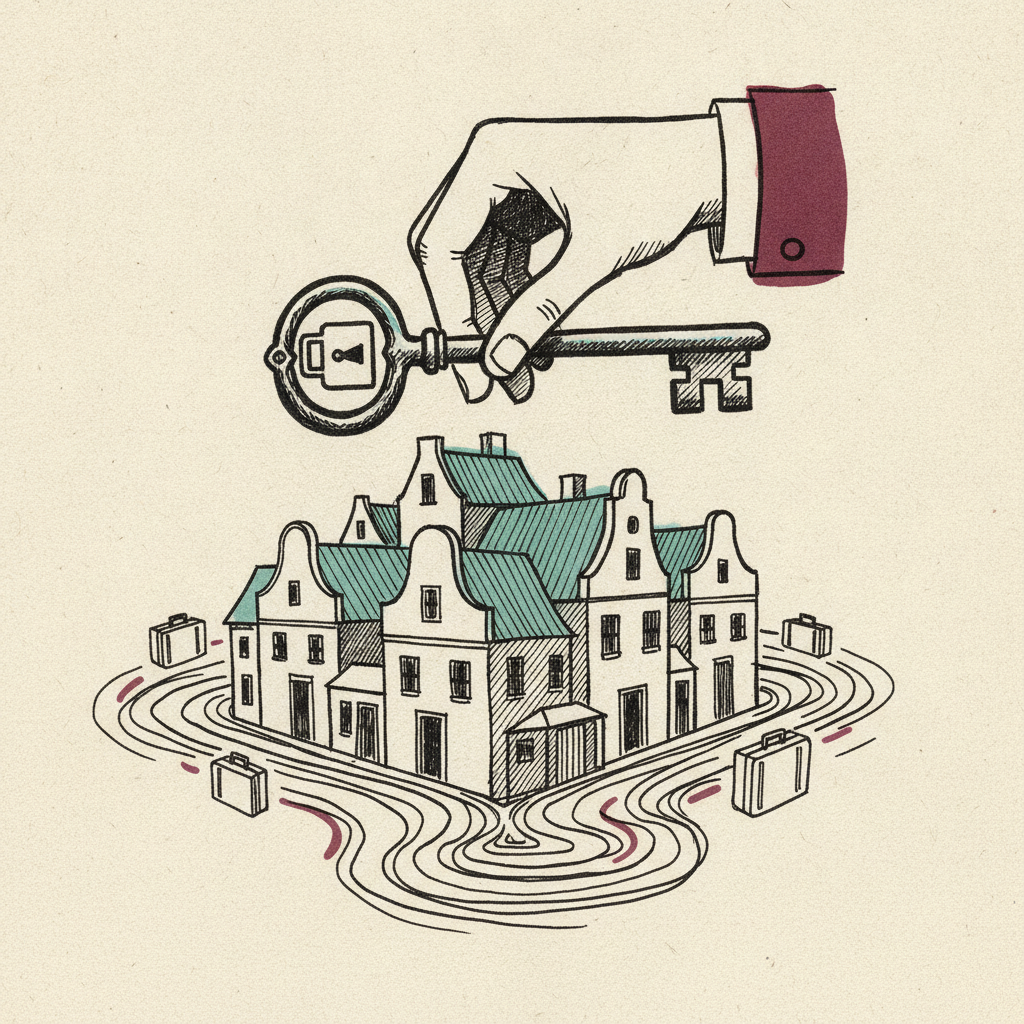
The Short-Term Letting By-law is a draft by the City of Cape Town. Every listed short-let home would need a City registration number, shown on its listing. Homes offered for over 183 nights a year would move to the commercial rating category on 1 July 2027 and pay about three times what residential owners pay. The comment period runs to 5 October 2026.
GroundUp's figures show how concentrated the targeted market is: Cape Town has upwards of 27,000 Airbnb listings, close to 6,000 in inner-city ward 115 alone, where a single host runs 147 flats and big operators control 40% of listings.
The by-law works through property rates rather than a CAP on numbers. Hosts WHO let year-round would pay as businesses, while a home let for 183 nights or fewer stays outside the commercial category.
When would Cape Town's short-let rates change take effect?
How much more would Cape Town short-let hosts pay?
How many Airbnb listings does Cape Town have?


