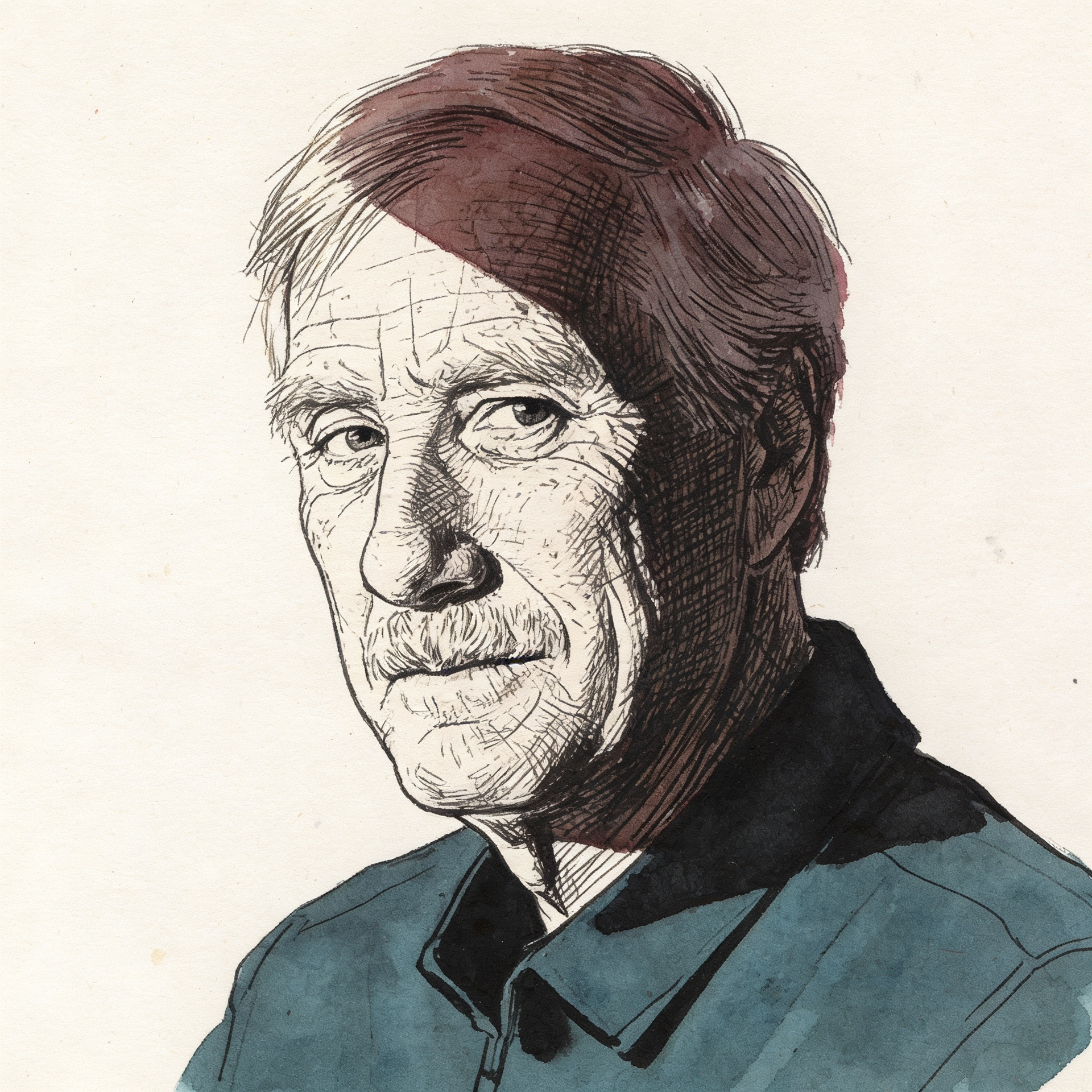
Angus King
Maine's Independent senator; caucuses with Democrats; sits on Intelligence and Armed Services committees.
Last refreshed: 28 July 2026 · Appears in 1 active topic
How does an independent senator shape war powers and intelligence oversight?
Timeline for Angus King
Mentioned in: Daines exits; Bodnar leads Montana race
US Midterms 2026Mentioned in: Iran threatens Gulf oil sites
Iran Conflict 2026Mentioned in: 51 drones downed; one near embassies
Iran Conflict 2026Mentioned in: Congress asks if AI targeted the school
Iran Conflict 2026Mentioned in: Record oil reserve release fails fast
Iran Conflict 2026Background
Angus King is one of two independents in the US Senate — alongside Bernie Sanders — and caucuses with Democrats, giving him full committee access under Democratic conference rules. In March 2026 he was among the 46 senators WHO wrote to Defence Secretary Pete Hegseth demanding an investigation into the Shajareh Tayyebeh School Strike in Minab, Iran, which three Independent inquiries had attributed to a misidentified US target. That letter directly preceded a House escalation raising whether AI targeting tools had processed the flawed intelligence.
King served two terms as governor of Maine (1995-2003) as an Independent before winning his Senate seat in 2012 and being re-elected in 2018 and 2024. He sits on the Senate Intelligence Committee and the Senate Armed Services Committee, positioning him on the two oversight panels most directly relevant to the Iran conflict and AI weapons systems. His Independent status gives him unusual credibility as a critic of executive war-making: he is not bound by party messaging and has previously invoked the War Powers Act.
In the 2026 midterms cycle King's seat is not up for election — he was re-elected in 2024 — but his State of Maine is a competitive Senate battleground. The Montana race context (Steve Daines's withdrawal and Seth Bodnar leading fundraising) illustrates the broader pattern of Independent and crossover candidates disrupting Senate maps. King's own cross-partisan credibility makes him a recurring reference point in Senate arithmetic coverage across multiple topics.