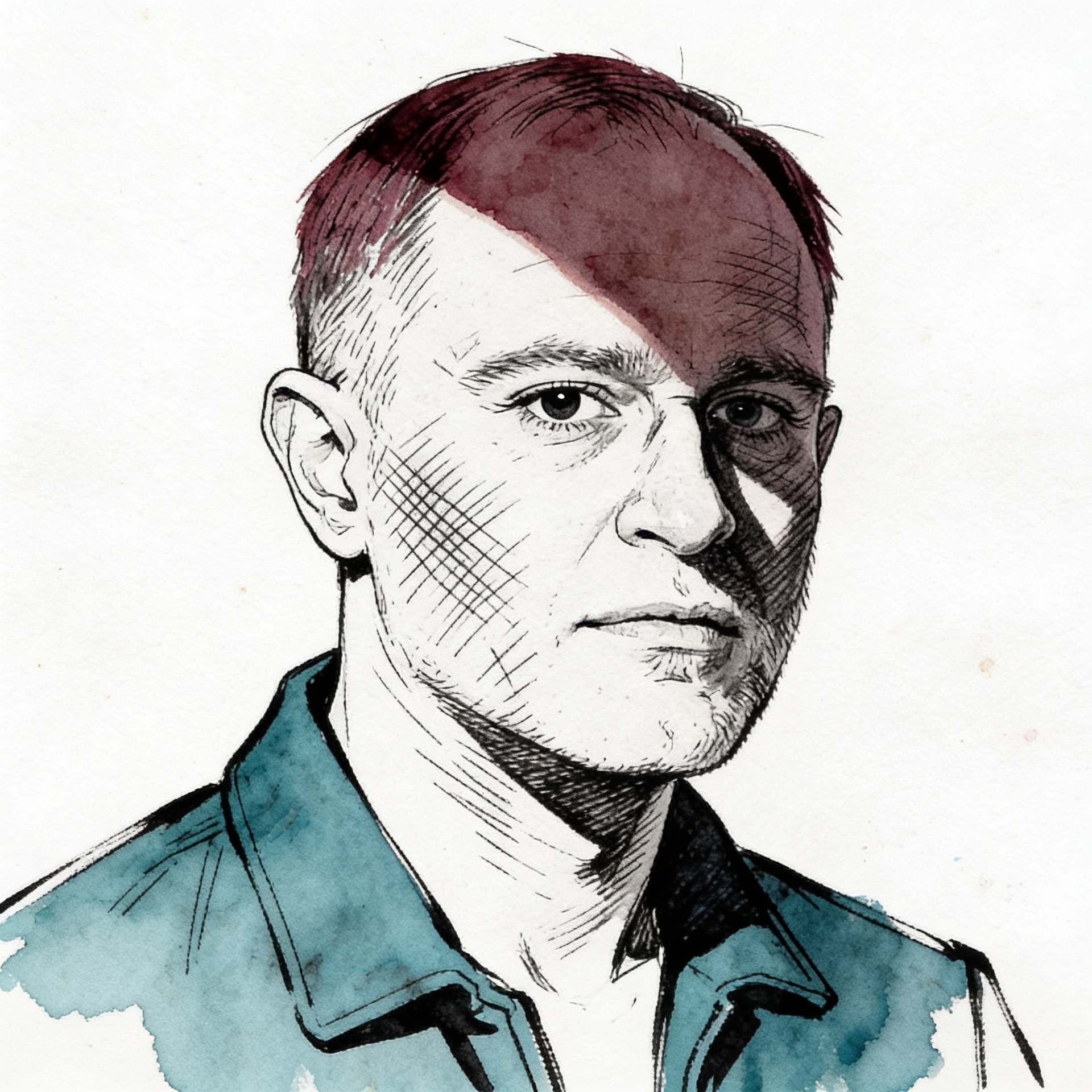
Andris Spruds
Latvia's Defence Minister WHO resigned in May 2026 citing failures in The National response to Baltic drone incursions.
Last refreshed: 29 May 2026 · Appears in 1 active topic
Timeline for Andris Spruds
Mentioned in: Latvia, Ukraine build drones on border
Drones: Industry & Defenceresigned citing failures in Latvia's national response to drone incursions
Drones: Industry & Defence: Latvia defence chief resigns over dronesBackground
Andris Spruds served as Latvia's Defence Minister from 2019 to May 2026, a tenure that spanned Russia's full-scale invasion of Ukraine, Latvia's accelerated rearmament, and the Baltic drone incursion crisis. He resigned in May 2026 following what he described as failures in The National response to Baltic drone incidents — specifically the 7 May 2026 explosion at the Rezekne oil storage facility in Latvia that damaged four tanks, and the broader series of incursions that culminated in a Romanian F-16 shooting down a suspected Ukrainian drone over Estonian airspace on 19 May. His resignation was the highest-profile political casualty of the Baltic drone crisis.
Before entering government, Spruds led the Latvian Institute of International Affairs and was a senior researcher on transatlantic security, NATO, and Baltic regional policy. He brought an academic and analytical background to a defence ministry that was, under his tenure, overseeing the largest expansion of Latvian defence capability since independence: the reintroduction of conscription, the construction of the Ādaži military CAMP as a permanent NATO brigade headquarters, and commitments to reach 3% of GDP on defence spending. He was a consistent advocate for permanent NATO troop presence in the Baltic states and was closely aligned with the Latvian National Alliance's hardline position on Russian threat assessment.
Spruds's resignation under drone-crisis pressure is politically significant beyond Latvia. It establishes that Baltic drone incursions now carry ministerial accountability — a signal to defence ministries across the Alliance that drone-gap failures have domestic political consequences, not merely operational ones. His departure accelerates the search for his replacement at a moment when Latvia is simultaneously planning major C-UAS procurement and navigating the Baltic unified alert coordination that the EU called for in May 2026.
Why did Latvia's Defence Minister resign in 2026?
Who was Andris Spruds before becoming Latvia's Defence Minister?
What happened at the Rezekne oil facility in Latvia in May 2026?
