Skip to content
UK Local Elections 2026
7APR

Surrey shadow councils created by statutory order

2 min read
21:56UTC

The Surrey (Structural Changes) Order 2026 was signed on 9 March 2026, creating East Surrey (72 councillors) and West Surrey (90 councillors) with vesting day set for 1 April 2027.

PoliticsDeveloping
Key takeaway

The signed Surrey Order creates 162 shadow-authority seats voted on 7 May for councils that do not yet legally exist.

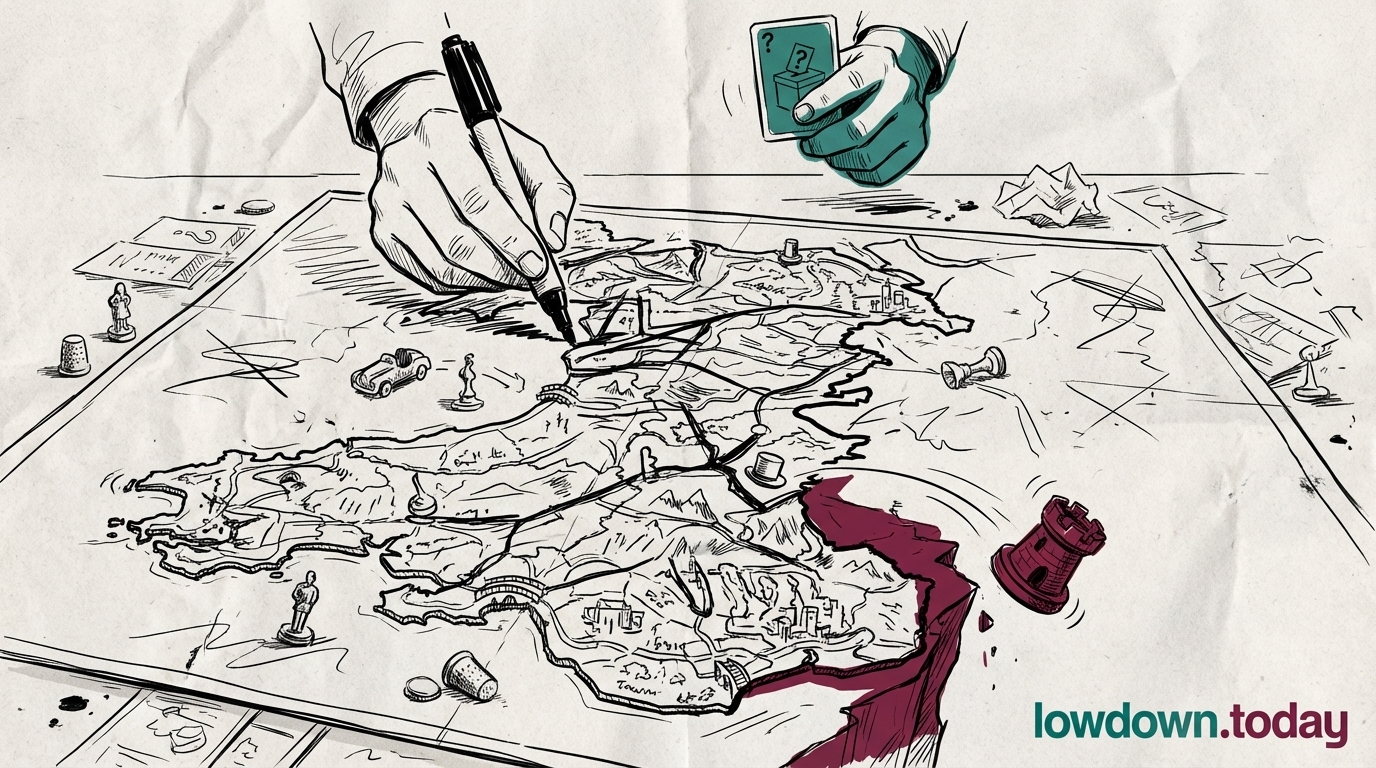
MHCLG signed the Surrey (Structural Changes) Order 2026 on 9 March 2026, creating two new unitary authorities to replace Surrey County Council and its eleven district councils. East Surrey Council will have 72 councillors across 36 wards. West Surrey Council will have 90 councillors across 45 wards. The combined total of 162 is the gap between the Institute for Government's 4,851 English seat count and the BBC and Democracy Club figure of 5,013.

Vesting day, the legal moment at which the new councils come into existence, is set for 1 April 2027. The councillors elected on 7 May 2026 therefore sit on shadow authorities for the eleven months between election and vesting, with no statutory power to bind the current Surrey councils. Their first major task once the new councils exist will be setting the 2027/28 council tax for authorities that did not yet legally exist when they were elected.

The term runs until May 2031, a single five-year cycle with no interim local election. The shadow-authority precedent of the 1974 Local Government Act 1972 reorganisation ran on a conventional cycle with interim votes; the 2026 Surrey model has no direct parallel in post-war local government. The Local Government Boundary Commission for England (LGBCE) has no statutory power to shorten the term once the Structural Changes Order is made.


Deep Analysis

In plain English

On 7 May, people in Surrey will vote for councillors on two brand-new councils — East Surrey and West Surrey — that do not yet exist as legal entities. The councils were created on paper by a government order in March 2026, but they only become real, legally speaking, on 1 April 2027. That means the people you elect will spend their first eleven months as shadow councillors: they hold the title, they get the office, but the actual legal power stays with the old councils until vesting day. From April 2027, the new councils take over and the old Surrey structure is abolished. The councillors elected now will then set your council tax for the first time — for councils they were voted onto before the councils actually existed.

What could happen next?
  • Risk

    Shadow councillors elected 7 May have no statutory power to bind existing Surrey councils during the eleven-month transition, creating a potential governance gap if the outgoing councils take contentious decisions.

  • Precedent

    A five-year shadow council term with no interim election is structurally novel in post-war English local government, untested by any subsequent legal challenge.

First Reported In

Update #1 · Wales rewrites parliament no voter has used

MHCLG· 7 Apr 2026
Read original
Different Perspectives
Electoral Commission
The Electoral Commission confirmed Christopher Harborne's £9m Q3 2025 donation as the largest from a living individual in UK party finance records, noting compliance with PPERA 2000 permissibility rules; its enforcement function extends to permissibility, not scale. No party has formally challenged the declarations, leaving structural concentration of party finance without a statutory trigger for the current parliament.
Welsh Labour
Welsh Labour
Welsh Labour enters the Senedd election projected to fall from 29 seats to 12 under a closed-list PR system the party introduced, with First Minister Eluned Morgan polling below the constituency entry threshold. The party faces becoming third-largest in the chamber it redesigned, a devolution-era first.
Scottish National Party
The SNP is projected on 67 Holyrood seats, two above the majority threshold, on the first election under redrawn boundaries; John Swinney has stated a majority constitutes a mandate for a second independence referendum. A confirmed majority would reopen the constitutional question dormant since 2014 with no current Westminster route to a Section 30 order.
Ministry of Housing, Communities and Local Government
MHCLG reversed the postponement of 30 elections under Divisional Court pressure, committed £63m to affected LGR areas, paid approximately £100,000 in Reform UK's legal costs, and has not published the legal advice justifying either decision. Robert Jenrick's Hansard account that prior advice already judged postponement unlawful has not been addressed or refuted by the department.
HM Government / UK-wide parties
The government frames the Representation of the People Bill as a proportionate foreign-influence response implemented at unusual speed. Reform UK holds its polling position while staying silent on crypto donation quantum. The Liberal Democrats frame the English local elections as a binary contest against Reform.
Scottish parties (SNP, Conservatives, Labour)
The SNP enters the regulated campaign as projected majority government through opposition fragmentation, not a vote surge. The Scottish Conservatives defend a manifesto the IFS dismisses and face zero constituency seats. Labour is the only party projected to retain any constituency presence beyond the SNP.