Skip to content
You can now search across every topic, entity and event.What's new
Russia-Ukraine War 2026
13JUL

315 US wounded; 75% with brain injuries

2 min read
10:28UTC

The Prince Sultan Air Base strike added 15 more wounded, and seventy-five percent of all casualties suffer traumatic brain injuries that have received almost no domestic coverage.

ConflictDeveloping
Key takeaway

Most US wounded have traumatic brain injuries, a long-term burden receiving minimal coverage.

CENTCOM confirmed 13 US service members killed and at least 315 wounded in the Iran conflict as of 29 March 1. Iran's strike on Prince Sultan Air Base on 27 to 28 March wounded 15 more, five seriously. A KC-135 tanker aircraft was hit and caught fire; three to four refuelling aircraft and an E-3 AWACS were damaged.

Buried in the casualty data: 75% or more of the wounded suffer traumatic brain injuries. Blast waves from ballistic missile and drone attacks on fixed bases cause neurological damage without visible wounds. After the 2020 Iranian missile strike on Al Asad Air Base in Iraq, the Pentagon initially reported no casualties, then revised upward to 110 traumatic brain injuries over subsequent months. Independent casualty tracking for US forces does not exist.


Deep Analysis

In plain English

The US has 13 service members killed and at least 315 wounded in the Iran conflict. What has barely been reported is that 75% or more of the wounded have traumatic brain injuries, or TBI. TBI is caused by blast waves from missile and drone explosions. Unlike a broken limb, TBI often has no visible symptoms immediately after the explosion. Symptoms emerge over days, weeks, or months: memory loss, personality changes, chronic headaches, and in some cases permanent neurological damage. In 2020, Iran struck a US base in Iraq and the Pentagon initially said there were no casualties. That was later revised to 110 TBI cases. The current conflict has 315 wounded — and three quarters of them have the same kind of injury.

First Reported In

Update #51 · Iran hits aluminium plants; Hormuz emptying

Al Jazeera· 29 Mar 2026
Read original
Causes and effects
This Event
315 US wounded; 75% with brain injuries
The growing US casualty count, dominated by traumatic brain injuries, creates a long-term veteran healthcare burden that extends well beyond the conflict itself.
Different Perspectives
Turkey
Turkey
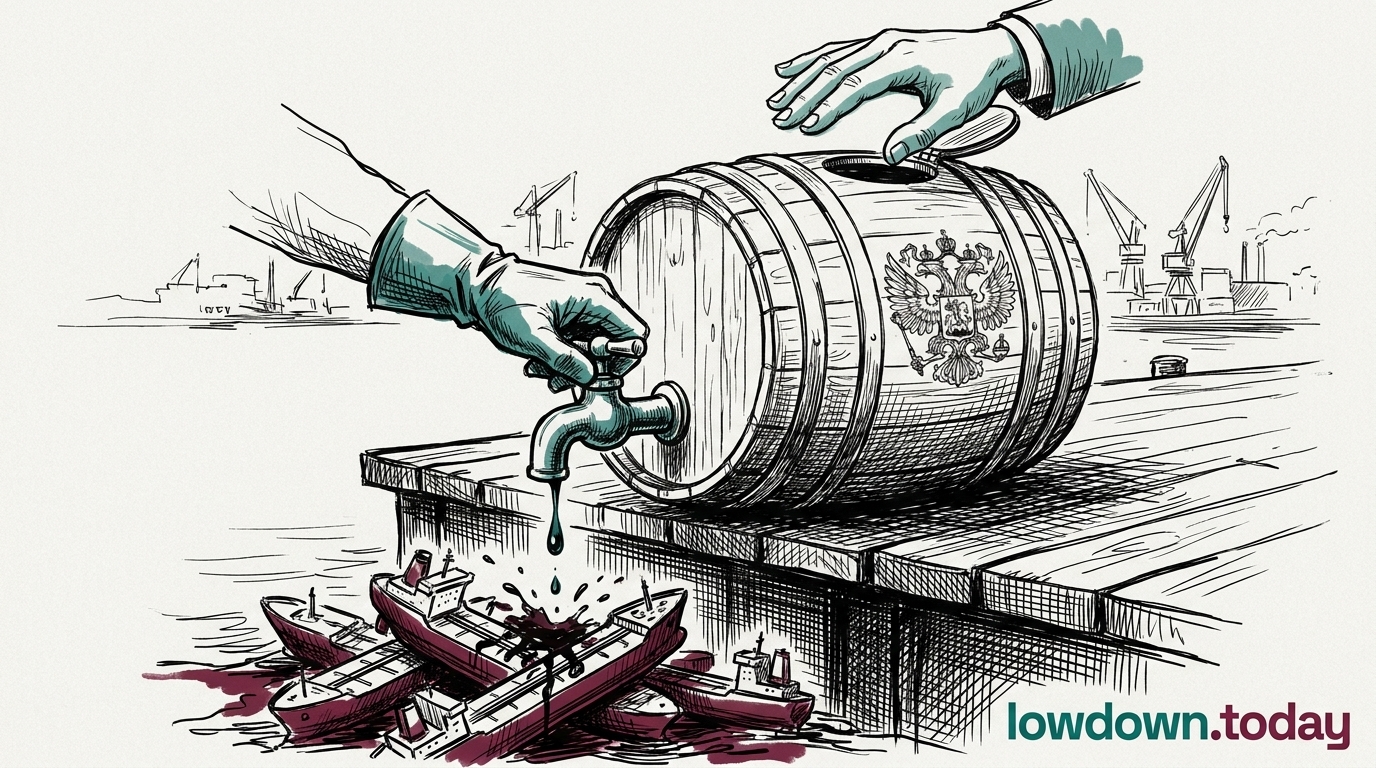
Turkey, a major buyer of Russian diesel cargoes, loses that access under Moscow's first producer-binding export ban, in force from 8 July to 31 July. Ankara hosted the same week's NATO summit pledging EUR 70bn to Ukraine, sitting on both sides of the fuel-and-alliance ledger.
NATO
NATO
NATO leaders meeting in Ankara on 7 and 8 July pledged EUR 70bn in equipment, assistance and training for Ukraine across 2026, with a 2027 sustainment commitment and a $40bn Drone Edge counter-drone initiative. European allies now fund the vast majority of that package, filling the gap left by Washington's idled crude waiver.
India
India
India's state refiners continued buying discounted Urals crude as June's price fell to $63.18 a barrel, insulating New Delhi from the OFAC waiver gap still constraining Western buyers. Indian refiners could pick up diesel-export share as Russia's producer-binding ban shuts out its former customers.
China
China
China's independent refiners kept importing discounted Urals crude through June as the price fell to $63.18 a barrel, down 26% month-on-month per CREA. Beijing has said nothing on Moscow's new diesel ban, leaving Chinese refiners a likely beneficiary if Turkish and Brazilian buyers seek replacement cargoes.
United States
United States
No successor licence has been issued since General License 134C lapsed on 17 June, leaving a 26-day gap, the longest of the war, in the Russian crude waiver. Washington's silence is tightening the channel without any stated decision, as Treasury weighs whether to let it die.
Ukraine
Ukraine
Ukraine's long-range strike campaign shifted from refineries to seaborne fuel tankers crossing the Sea of Azov, cutting tracked vessel traffic 55% between 30 June and 11 July, per Starboard Maritime Intelligence. The shift targets Russia's export revenue directly rather than just domestic supply, adding pressure alongside the collapsing Urals price.



