Amsterdam cut its city-centre and De Pijp short-let cap from 30 to 15 nights a year with effect from 1 April 2026, while outer boroughs keep the 30-night limit.1 Separately, the Netherlands raised national accommodation VAT (value-added tax, the consumption tax charged on a stay) from 9% to 21% on 1 January. Combined with Amsterdam's 12.5% tourist levy, already Europe's highest, the total tax burden on a city-centre stay now sits near 33.5%. The Dutch national short-let registration portal remained unbuilt as of 29 May, so Amsterdam's cap operates independently of the EU framework that reached full application on 20 May, relying instead on the city's own licencing system.
29MAY
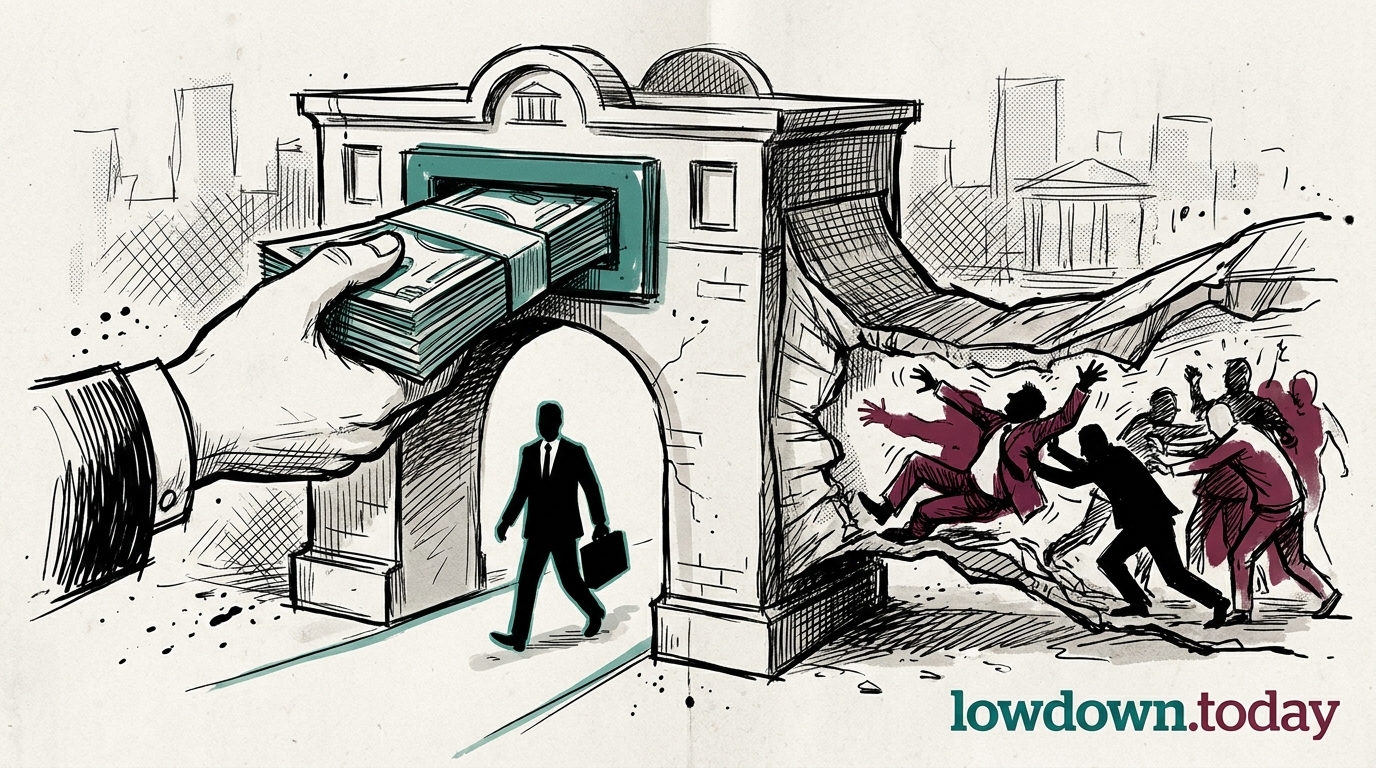
Amsterdam cuts short-let nights to 15
2 min read
08:55UTC
Amsterdam halved its city-centre short-let cap to 15 nights a year from 1 April, while Dutch accommodation VAT tripled to 21%, lifting the total tax load on a city-centre stay near 33.5%.
SocietyDeveloping
Key takeaway
Amsterdam halved city-centre short-let nights to 15 and tripled accommodation VAT, pushing the total tax load near 33.5%.
Deep Analysis
In plain English
Amsterdam has cut the number of nights per year that city-centre residents can rent their homes to tourists through platforms like Airbnb. From 1 April 2026, the limit in the central city and the De Pijp neighbourhood dropped from 30 nights per year to 15. Outer Amsterdam keeps the 30-night limit. At the same time, the Netherlands increased the national tax on accommodation (VAT, a sales tax) from 9% to 21% on 1 January 2026. Combined with Amsterdam's own tourist charge of 12.5%, the total tax on staying in Amsterdam accommodation now adds up to about 33.5%, the highest of any major European city. The EU has a law (EU Regulation 2024/1028) that requires all 27 member countries to share short-let data through a national digital system called a Single Digital Entry Point, or SDEP. The Netherlands has not built its SDEP yet, so Amsterdam enforces the cap through its own local licencing system rather than the EU-wide framework.
Sources:City of Amsterdam
First Reported In
Update #5 · Thailand halves visa-free entry
City of Amsterdam· 29 May 2026
Read original →Causes and effects
This Event
Amsterdam cuts short-let nights to 15
A municipal night cap and a national tax rise stack independently of the EU registration framework, because the Dutch national portal that would link them remains unbuilt.
Different Perspectives

UK Culture Secretary Lisa Nandy
Nandy told MPs around 3 September that England's register of short lets will be fully operational by March 2027. Wales opened compulsory registration for every paid stay on 1 October, with a deadline of 31 March 2027.

Venice budget assessor Michele Zuin
Zuin told Il Gazzettino on 21 September that a charge of about €30 on peak days from 2027 would be the most concrete solution. He added that the city must set new rules together with government and Parliament.

Saudi Premium Residency Center
The Center added 31 services on 22 September, according to the newspaper Okaz. Primary holders now register employment contracts through the Qiwa platform, and no Saudi Press Agency release confirms the package.

Greek prime minister Kyriakos Mitsotakis
Mitsotakis announced at the Thessaloniki International Fair on 5 September that new short-let registrations in central Athens and Thessaloniki stay suspended to 31 December 2027. No ministerial decision has been found, and golden-visa applications fell 39% from January to July.

Cape Town housing group Ndifuna Ukwazi
Ndifuna Ukwazi backs the city's draft by-law, which rates lets available over 183 nights a year as commercial from 1 July 2027. Finance mayco member Siseko Mbandezi said it ensures fairness in the commercial accommodation sector.

Klungkung Regency and KPK
Klungkung took 2.7bn rupiah on Nusa Penida from 1 to 9 September against 1.1bn in the first ten days of August. The Corruption Eradication Commission (KPK) sent files on eight suspects in a residence-permit extortion case to prosecutors on 30 September, alleging 145.5bn rupiah was taken.