Skip to content
You can now search across every topic, entity and event.What's new
Nomads & Communities
18JUL

Bulgaria opens a door as its politics try to close one

1 min read
13:12UTC

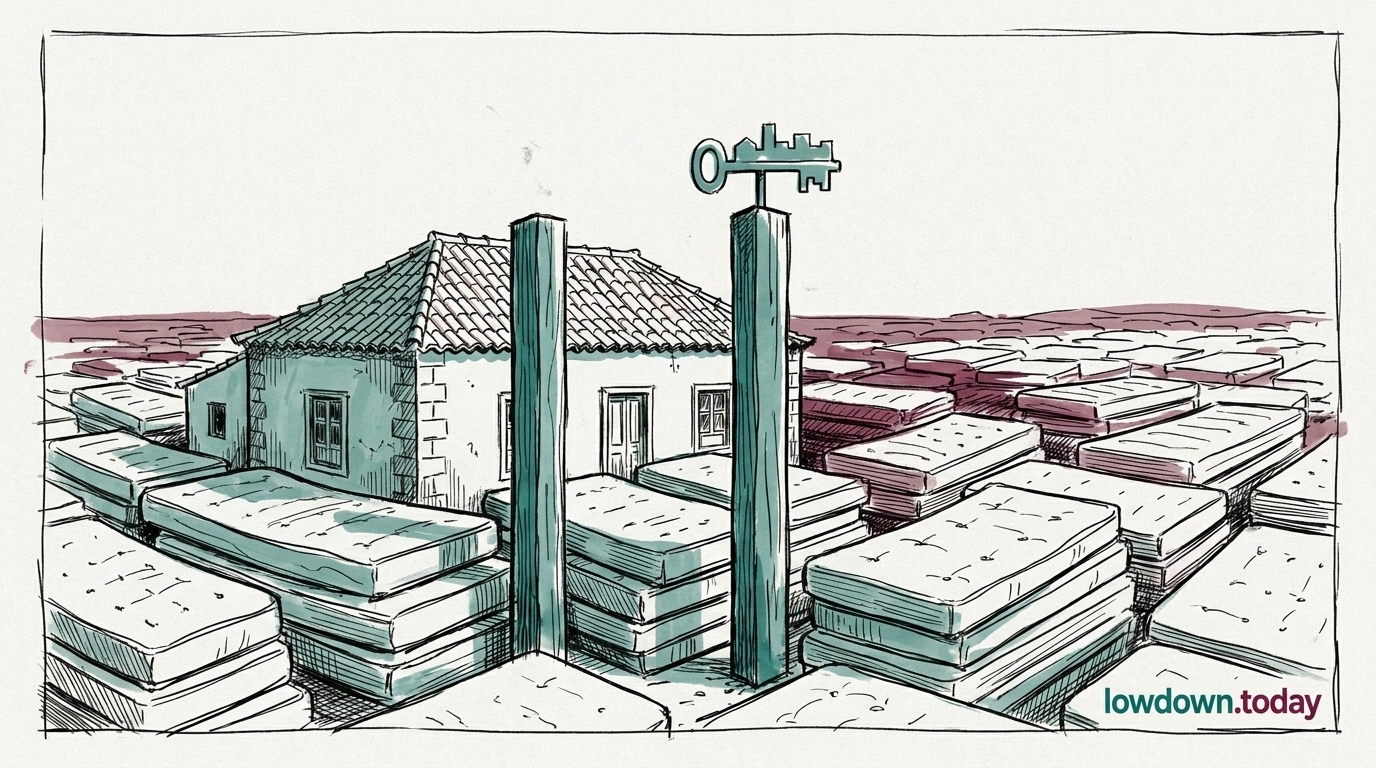
A new EU member opens a high-threshold nomad scheme on the same timeline as its far-right opposition escalates anti-EU street politics, leaving a scheme that is legally launched and politically contested from day one.

SocietyDeveloping
Key takeaway

Bulgaria has a live nomad scheme on day one of contested political terrain.

Bulgaria launched its digital nomad residence permit on 20 December 2025, days after joining the eurozone and the Schengen passport-free area. The income requirement is €31,000 a year, equal to fifty times the national minimum wage, one of the higher thresholds in the EU. Parliamentary support at second reading exceeded 73%, yet that consensus does not extend to the street.

In February 2026, the far-right Vazrazhdane (Revival) party stormed the European Union mission in Sofia to protest eurozone accession, and Commission President Ursula von der Leyen called the action "outrageous". Vazrazhdane polled at 13 to 14 percent through the 2024 cycle. Both the president and the government were in resignation posture as of February 2026, and snap elections are expected in 2026.

The permit covers employees of non-EU firms, shareholders in such firms, and independent remote contractors with at least a year of demonstrable experience, which is the cohort nationalist campaigners will find easiest to rhetoricalise if an incident demands a target. Vazrazhdane itself is broadly anti-EU and anti-migration rather than specifically anti-nomad, but the launch timing places the scheme on contested political terrain from day one.


First Reported In

Update #1 · Platforms, protests and the policy churn

Fragomen / Bulgarian Ministry of Interior· 17 Apr 2026
Read original
Different Perspectives
Thailand's cabinet
Thailand's cabinet
Thailand's cabinet restructured entry terms into three tiers on 16 July, attributing India's promotion from visa-on-arrival to full exemption to trade and investment factors rather than tourist numbers. It kept the 500,000-baht Destination Thailand Visa untouched, running two parallel tracks for volume tourism and priced long-stay residency.
STEK (Association of Cyprus Tourist Enterprises)
STEK asked Cyprus's government on 15 July for an annual short-let rental cap, inspections, fines and a compulsory overnight levy, framing the ask as following models other European countries have adopted. The package would also close the cost gap between licensed hotels and largely unregulated short-lets, protecting STEK's own members' market share.
Canarias Se Agota
Canarias Se Agota
Canarias Se Agota, the platform behind the April 2024 overtourism protests, argues the 8 July law's bed-per-resident thresholds measure accommodation capacity, not the housing prices, water use and congestion that put islanders on the streets. It wants resident-facing metrics written into the excelencia duties before Adeje and Arona are formally classified.
Remote workers and long-stay visitors
Thailand's 16 July restructuring leaves the 500,000-baht Destination Thailand Visa as the only untouched long-stay route once the 60-day exemption disappears. Long-stay visitors now sort by ability to pay rather than by passport, the same effect a bed-threshold law or a short-let cap has on where they can actually live.
Mobile nomad cohort
Mobile nomad cohort
Long-stay remote workers face a diverging map this fortnight: Korea widens its door, Greece and Spain narrow theirs by locality and contract type, and Portugal's citizenship timeline still hinges on a regulation not yet published. None of the four moves resolves the temporada loophole nomads have used to sidestep rent caps.
Portugal government / AIMA
Assistant secretary of state Rui Armindo Freitas said on 1 July that AIMA has cut its inherited caseload of roughly one million to 30,000 complex cases, with no visa-type breakdown or new deadline given. The nationality regulation implementing Lei Organica 1/2026 remains unpublished ahead of its mid-August drafting deadline.