Will Bulgaria's new digital nomad visa hold up if Sofia's political deadlock continues to block stable governance?
Timeline for Sofia
Mentioned in: Bulgaria delists Lukoil boss and Kirill
European Oil MarketsMentioned in: Vazrazhdane crashes; Bulgaria's nomad permit holds
Nomads & CommunitiesBulgaria opens a door as its politics try to close one
Nomads & CommunitiesBackground
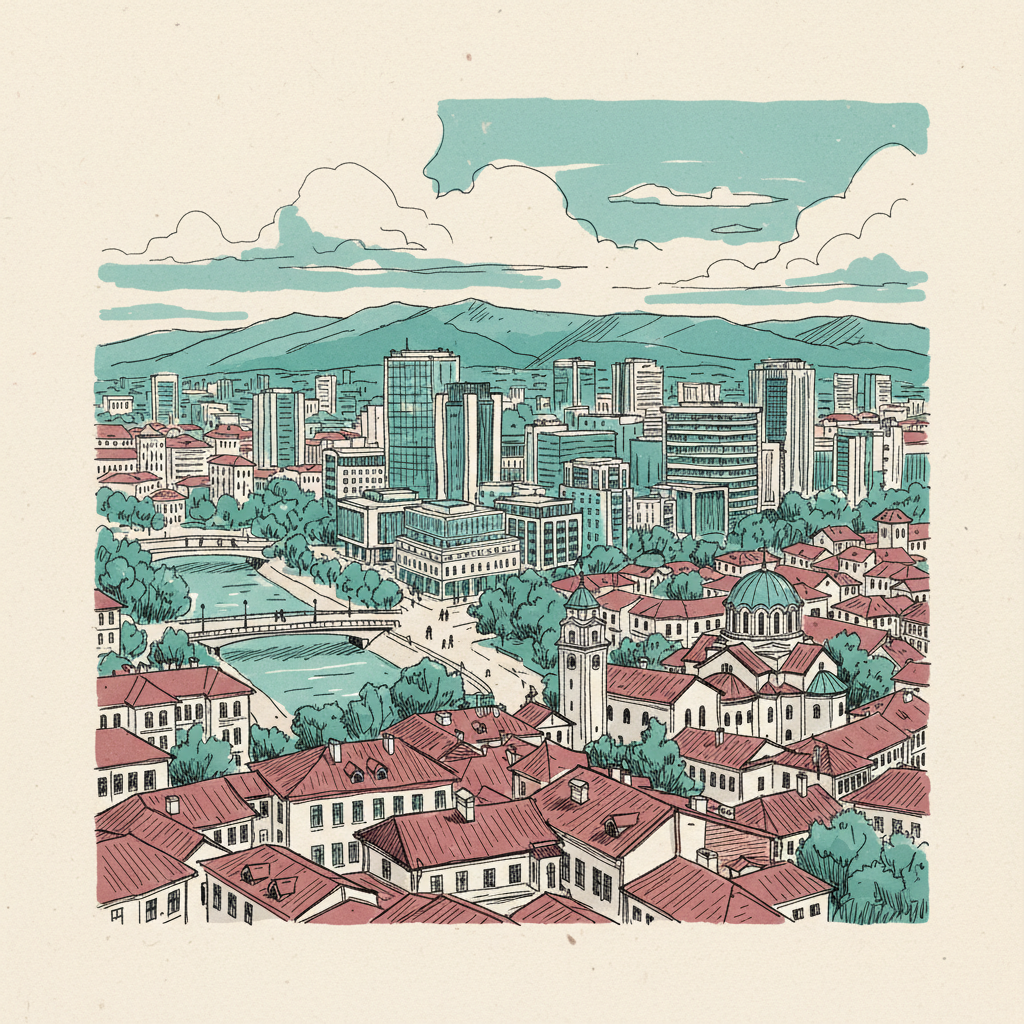
Sofia is the capital and largest city of Bulgaria, with a population of approximately 1.28 million (2026 estimate). Situated in western Bulgaria near the Vitosha mountain, Sofia is the country's political, economic, and cultural centre. The city's combination of affordable living, reliable high-speed internet, a flat 10% income tax rate, and EU membership has positioned it as a practical and increasingly discussed European base for digital nomads. Sofia has a growing network of coworking spaces and an expanding international remote worker community.
Bulgaria launched a dedicated digital nomad Visa in January 2026, with the residence permit granted initially for one year and renewable for a second. Eligibility requires demonstrating remote work for non-Bulgarian employers and meeting a minimum income threshold. The Visa's launch is significant for Sofia specifically, as the capital offers the most developed infrastructure, transport links, and international community of any Bulgarian city.
Sofia's political backdrop is defined by persistent instability: Bulgaria held seven parliamentary elections between 2021 and 2025, and the Parliament in which the Vazrazhdane FAR-right party holds 37 seats has struggled to form stable coalitions. This instability has not directly affected Sofia's digital nomad attractiveness but complicates Bulgaria's EU integration trajectory and creates uncertainty around long-term immigration policy continuity. Sofia's position within the Lowdown coverage area is primarily as the administrative centre behind Bulgaria's new nomad Visa and as the home city of Vazrazhdane's electoral base.