Skip to content
Welcome, thoughtbot's Giant Robots listeners!Start here
Is Britain Actually Broke?
28NOV

Triple lock now costs triple the forecast

3 min read
11:43UTC

The OBR now costs the state pension triple lock at £15.5bn a year by 2029-30, against the £5.2bn originally projected. The figure reaches us through IFS commentary rather than an OBR release.

EconomicAssessed
Key takeaway

The triple lock is costing three times its original projection because it compounds the best of three measures annually.

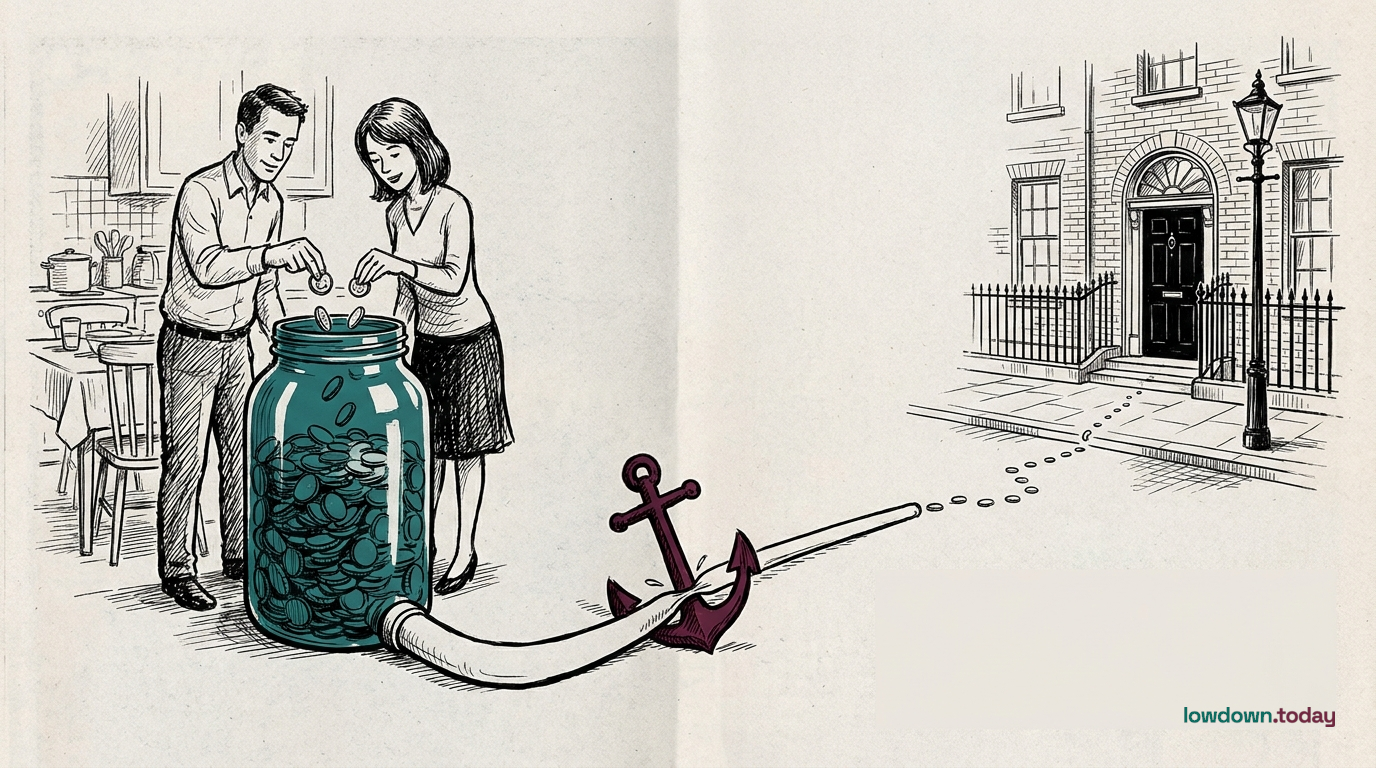
The Office for Budget Responsibility now costs the state pension triple lock at £15.5bn a year by 2029-30, against an original projection of £5.2bn, roughly three times the figure the policy was signed off against⁠1. The triple lock raises the state pension each year by whichever is highest of inflation, average earnings growth or 2.5%. Choosing the maximum of three measures annually compounds, and a policy that ratchets upward in every year regardless of which measure wins costs far more over a decade than any single one of them would.

One provenance note. That costing reaches this register through Institute for Fiscal Studies analysis rather than read directly from an OBR release, and it wants a direct check against the OBR's own welfare trends or fiscal risks reporting before it hardens into a settled figure in this table.

The same demographic pressure runs through the rest of the spending side, and the health settlement shows how it is being absorbed. The Department of Health's 2026-27 settlement is a 0.9% real increase to £8.5bn, with the cost of the 3.3% pay award paid in February 2026 deducted from it⁠2. The 2026-27 settlement therefore absorbs the 2025-26 pay award before it funds anything new. That is the pattern worth watching across pre-committed claims generally: they are not being reduced, they are being met by squeezing whatever in the same department is discretionary, and the discretionary items are usually buildings, equipment and staffing headroom.

Deep Analysis

In plain English

The state pension triple lock is a promise that the basic state pension rises every year by whichever is highest: inflation, the growth in average wages, or 2.5%, whichever number is biggest that year. When it was introduced in 2010, the government estimated it would cost about £5.2bn a year by the end of this decade. The Office for Budget Responsibility now estimates it will actually cost £15.5bn a year by 2029-30, roughly three times that original estimate, because inflation and wage growth have both spiked higher than expected in several of the years since.

Deep Analysis
Root Causes

The triple lock guarantees the state pension rises by whichever is highest of inflation, average earnings growth, or 2.5%, a ratchet that by design tends to overshoot in most years rather than track a single, more moderate measure; the original 2010 costing assumed the three figures would rarely diverge sharply, an assumption that has not held.

An ageing population compounds the mechanism: the same demographic pressure driving triple lock costs upward also runs through NHS settlements and social care, so a policy fix aimed only at the triple lock formula addresses one symptom of a wider demographic cost pressure rather than the underlying driver.

What could happen next?
  • Consequence

    A cost tripling from its original estimate makes the triple lock a recurring target for reform proposals from fiscally-focused think tanks, even though reversing or weakening it has proved politically difficult in practice since 2010.

First Reported In

Update #1 · The distress moved from banks to councils

Institute for Fiscal Studies· 27 Jul 2026
Read original →
Causes and effects
This Event
Triple lock now costs triple the forecast
A claim that grows with demography is outrunning its own forecast by a factor of three, and the tax base underneath it is growing at 1.1%.
Different Perspectives
The fiscal hawk case
Borrowing has run over the March plan for four months, October's £11.2bn interest bill was the highest October since 1997, and the OBR's ready reckoner adds £8.6bn of interest in 2027-28 for each lasting point of inflation. Hawks argue £15bn of headroom leaves little room for another shock before taxes rise again.
The not-broke case
The not-broke case
HMRC receipts are up £33.4bn on a year earlier, the current budget is about £0.5bn under the March plan, GDP grew 0.7% in the third quarter, and the OBR calls borrowing broadly in line. On this reading Britain is paying more to borrow while its power to raise money holds.
Ministry of Housing Communities and Local Government
The housing ministry gave English councils over £80bn of core spending power for 2027/28 on 26 November, over £3bn more, and kept Exceptional Financial Support only on a temporary footing with outside checks on the books. A council in trouble can still get help, but not open-ended help.
National Institute of Economic and Social Research
The independent forecaster said on 19 November that policy is pushing households out of cash, most recently through the Budget's higher tax on savings interest, and that this alone will do little for UK firms. On October's inflation it found energy the main driver, with little sign of a wage-price spiral.
Resolution Foundation
The centre-left think tank said on 17 November that real pay growth, 0.2% in July to September, will go negative this winter as inflation heads towards 5% by spring. On its reading, household budgets tighten while the Treasury's tax take grows.
Bank of England
Bank of England
The Bank said on 26 November that about 6.5 million mortgages face higher payments as fixes end, by about £100 a month for a typical borrower, but arrears are close to their long-run average. It judged the banking system well capitalised, so lenders can absorb the squeeze without pulling credit.

Written with AI from Lowdown's published reporting. Not individually reviewed by an editor. Editorial standards.