Skip to content
Briefings are running a touch slower this week while we rebuild the foundations.See roadmap
Iran Conflict 2026
8MAY

Strikes Gut Iran's Vaccine Labs and 30 Universities

2 min read
11:07UTC

The Pasteur Institute, which supplied childhood vaccines for a century, has been severely damaged. No scientific body has protested.

ConflictDeveloping
Key takeaway

Iran's scientific and healthcare infrastructure is being systematically destroyed.

Iran's Science Minister reported at least 30 universities struck since 28 February. The Shahid Beheshti University Laser and Plasma Research Institute was bombed on 3 April. The Pasteur Institute, over a century old and responsible for vaccine production, has been severely damaged. More than 20 healthcare facilities have been attacked since 1 March. 1

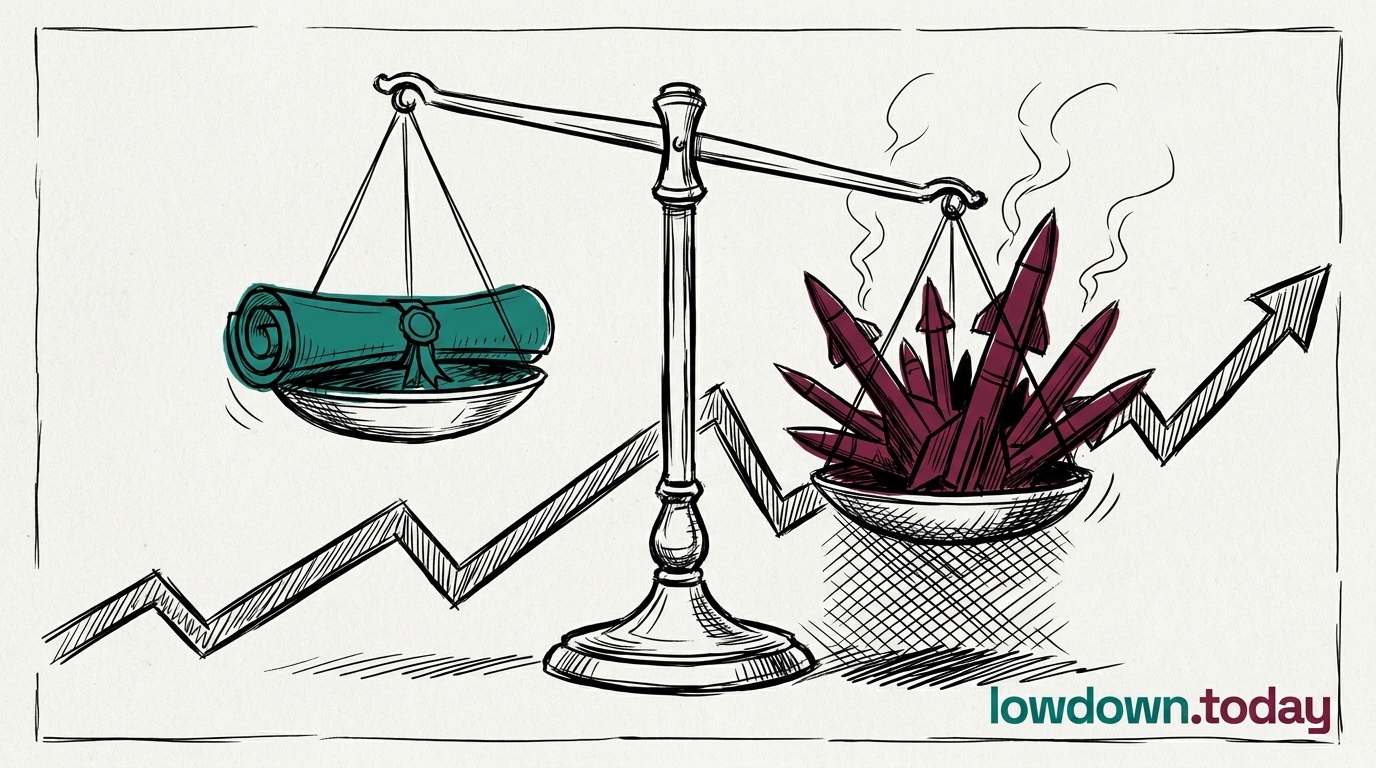
More than 100 US legal experts raised serious international humanitarian law concerns in a collective statement. No international scientific body has suspended research collaboration with Iran in response, and no academic institution has issued a formal protest. Iran's capacity to produce vaccines, train doctors, and conduct scientific research is being set back by years. The Pasteur Institute alone supplied essential childhood immunisations to the country. The toll documented by Hengaw of 7,300 killed accounts for people. The university strikes account for something harder to count: decades of institutional capacity that will not be rebuilt quickly.


Deep Analysis

In plain English

More than 30 Iranian universities have been struck since the conflict began. The Pasteur Institute, which is more than 100 years old and makes vaccines that protect Iranian children from preventable diseases, has been severely damaged. More than 100 American legal experts say these attacks may violate international law. No scientific institution anywhere in the world has formally protested or suspended cooperation with Iran in response. Rebuilding a vaccine production facility takes years. Children's vaccination programmes that relied on the Pasteur Institute will be disrupted long after any ceasefire.

What could happen next?
  • Consequence

    Iran's public health infrastructure faces generational degradation from the destruction of vaccine production and medical training institutions that cannot be rapidly rebuilt.

  • Risk

    The destruction of Iran's research institutions without international scientific protest normalises knowledge infrastructure as a legitimate target category in future conflicts.

First Reported In

Update #59 · Day 37: A Ground War Inside Iran That Nobody Will Name

Al Jazeera· 5 Apr 2026
Read original
Different Perspectives
Oil markets
Oil markets
Brent fell $1.05 to $106.0 on summit Day 1 but remains $5-7 above the post-ceasefire equilibrium analysts modelled in March; the market is pricing a holding pattern, not a breakthrough. OilPrice.com and Aramco CEO Nasser converge on buffer-exhaustion before Hormuz reopens if the blockade extends past mid-June.
Iranian dissidents and human rights monitors
Hengaw documented a five-prison simultaneous execution cluster on 13 May, with Gorgan appearing for the first time in the wartime register. Espionage charges framed as Israel-linked moharebeh now extend across Mashhad, Karaj, and Gorgan, using the war as judicial cover for protest-era detainees.
BRICS / Global South
Araghchi's Delhi appearance positioned Iran as a victim of US aggression before non-Western foreign ministers, with Deputy FM Bagheri Kani calling on BRICS to act against US aggression. India, as the largest non-Chinese user of Iranian-routed crude, faces pressure to balance bloc solidarity against its own shipping and sanctions exposure.
China
China
Beijing accepted the Nvidia chip clearance on summit Day 1 and gave Rubio verbal acknowledgement of Iran as an Asian stability concern, having already put Pakistan on paper as the mediatory channel on 13 May (ID:3253), deflecting the US ask for direct Chinese action without refusing it.
Iran (government and civilian diplomatic track)
Araghchi denied any Hormuz obstruction at BRICS Delhi on 14 May while Iran's SNSC had finalised a Hormuz security plan the day before. Israel Hayom's single-sourced 15-year freeze offer gives Tehran a deployable figure in non-Western forums regardless of corroboration; the state attributed 3,468 wartime deaths with no independent verification.
United States (Trump administration and Senate moderates)
Trump signed a chip clearance for 10 Chinese firms on summit Day 1 and zero Iran instruments across 76 days; Rubio and Vance made verbal Iran asks without paper. Murkowski voted yes on the 49-50 war-powers resolution after Hegseth told the Senate that Article 2 makes an AUMF unnecessary.



