Skip to content
You can now search across every topic, entity and event.What's new
Iran Conflict 2026
6APR

Casualty Verification Gap Widens as Hengaw Stays Silent

1 min read
09:43UTC

Iran's official death toll crossed 2,000. The last independent count was 7,300. The organisation that provided it has not reported since 31 March.

ConflictAssessed
Key takeaway

The gap between 2,000 official and 7,300 independent dead widens unverified.

HRANA, the Human Rights Activists News Agency, has resumed reporting on Iranian casualties. Hengaw, which has published the most detailed casualty breakdowns, remains silent since approximately 31 March . Iran's official death toll has crossed 2,000; Hengaw's last figure was 7,300.

The gap between official and independent counts continues to widen without anyone able to verify either. At Hengaw's previous reporting pace, the actual toll would now be significantly above 7,300, but without new data this is extrapolation rather than evidence. The reason for Hengaw's silence has not been explained.

This sits alongside the Planet Labs satellite imagery blackout and the Majlis vote suspending IAEA cooperation . Three independent verification mechanisms, covering casualties, physical damage, and nuclear activity, have been eliminated simultaneously. No party to the conflict has objected to the others' contributions to this information void.

Deep Analysis

In plain English

Two organisations track how many people have died in Iran. The government says over 2,000. An independent group called Hengaw said 7,300 before it went silent on 31 March. Nobody knows whether Hengaw stopped reporting because of pressure, danger, or something else. A separate group called HRANA has started reporting again, but it is considered less reliable than Hengaw.

Deep Analysis
Root Causes

Independent casualty monitoring depends on a small number of organisations with direct contacts inside Iran. Hengaw relies on Kurdish networks; its silence may reflect communications disruption, arrest of sources, or both.

Iran's official count has consistently lagged independent estimates by 60-70%, a gap that has widened as the IRGC tightened control over civilian governance.

What could happen next?
  • Casualty accountability mechanisms have collapsed, complicating future legal proceedings

First Reported In

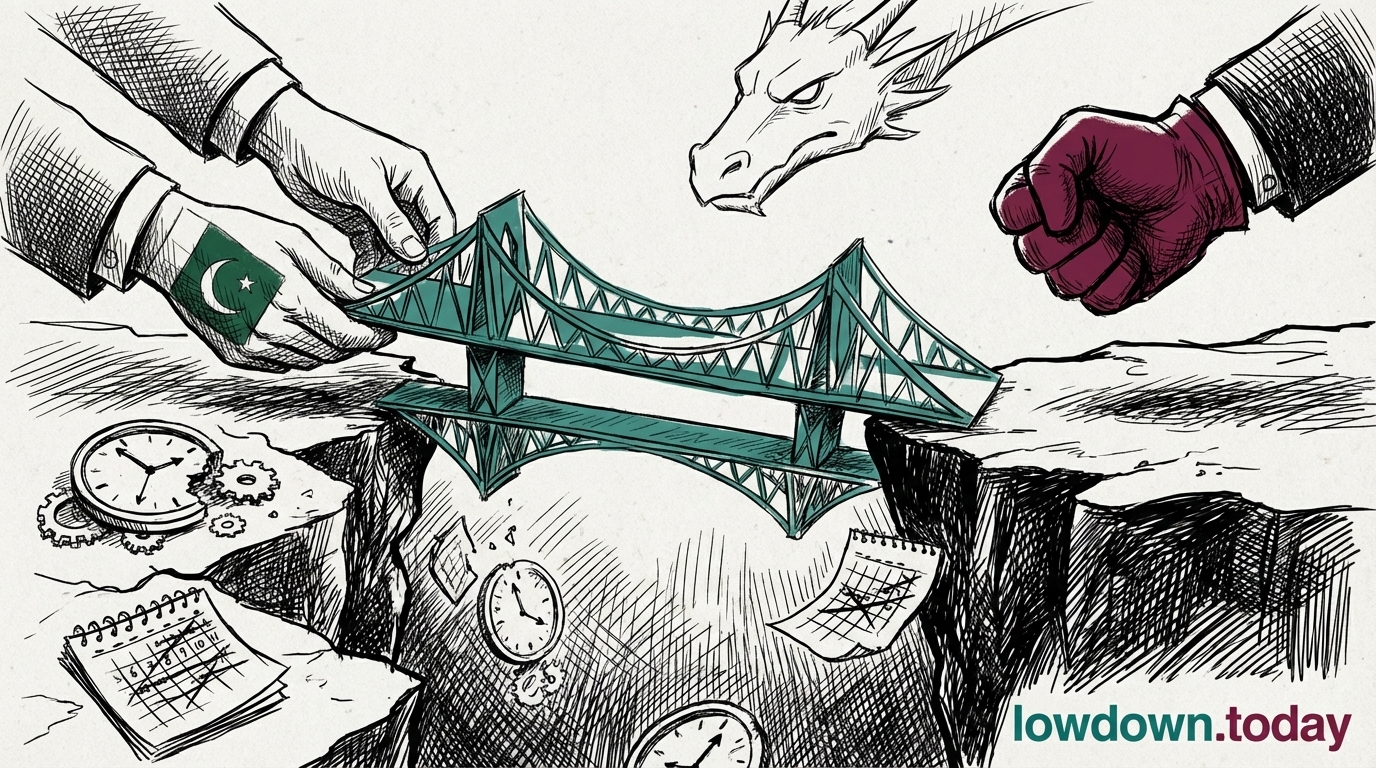
Update #60 · Pakistan's Ceasefire Plan Fills the Vacuum

Alma Center· 6 Apr 2026
Read original
Different Perspectives
Oil market and P&I insurers
Brent cleared $87 intraday only once CENTCOM's blockade became physical rather than declared, even though P&I Clubs had already excluded Hormuz war risk a week earlier on 7 July: capital hedged ahead of enforcement, but prices moved only after it.
UAE reporting
UAE reporting
UAE reporting placed the Omani tanker deaths at one seafarer against the International Maritime Agency's count of two, the first time in this war that a Gulf state's casualty figures have diverged from an international monitor's.
Jordan
Jordan
Iranian strikes reached Jordan again on 14 July as part of the Gulf-wide retaliation for the Hormuz blockade, extending the conflict's geographic footprint to a state with no direct stake in the strait itself.
Bahrain
Bahrain
Bahrain sounded air-raid sirens on 14 July during Iran's Gulf-wide retaliation, the same day CENTCOM's blockade order and fourth night of strikes pushed the conflict's physical reach into the wider Gulf littoral.
Kuwait
Kuwait
Kuwait intercepted Iranian missiles and drones on 14 July as Tehran's blockade retaliation reached Gulf states beyond Iran's immediate shoreline, confirming Kuwaiti airspace now sits inside Iran's retaliatory envelope.
Oman
Oman
Oman absorbed the war's first tanker casualties in its own waters on 14 July, with two supertankers disabled and seafarers killed, putting the sultanate's shipping lanes directly in the path of the blockade fight for the first time.