Skip to content
You can now search across every topic, entity and event.What's new
Iran Conflict 2026
7AUG

TTF hits EUR 55 on a Hormuz toll

3 min read
12:08UTC

TTF front-month closed EUR 54.995/MWh on 15 July, up almost 9% in two sessions, after the US set a 20% toll on everything crossing the Strait of Hormuz.

ConflictDeveloping
Key takeaway

TTF's 9% jump to EUR 55 prices a Hormuz toll, not a confirmed physical shortage.

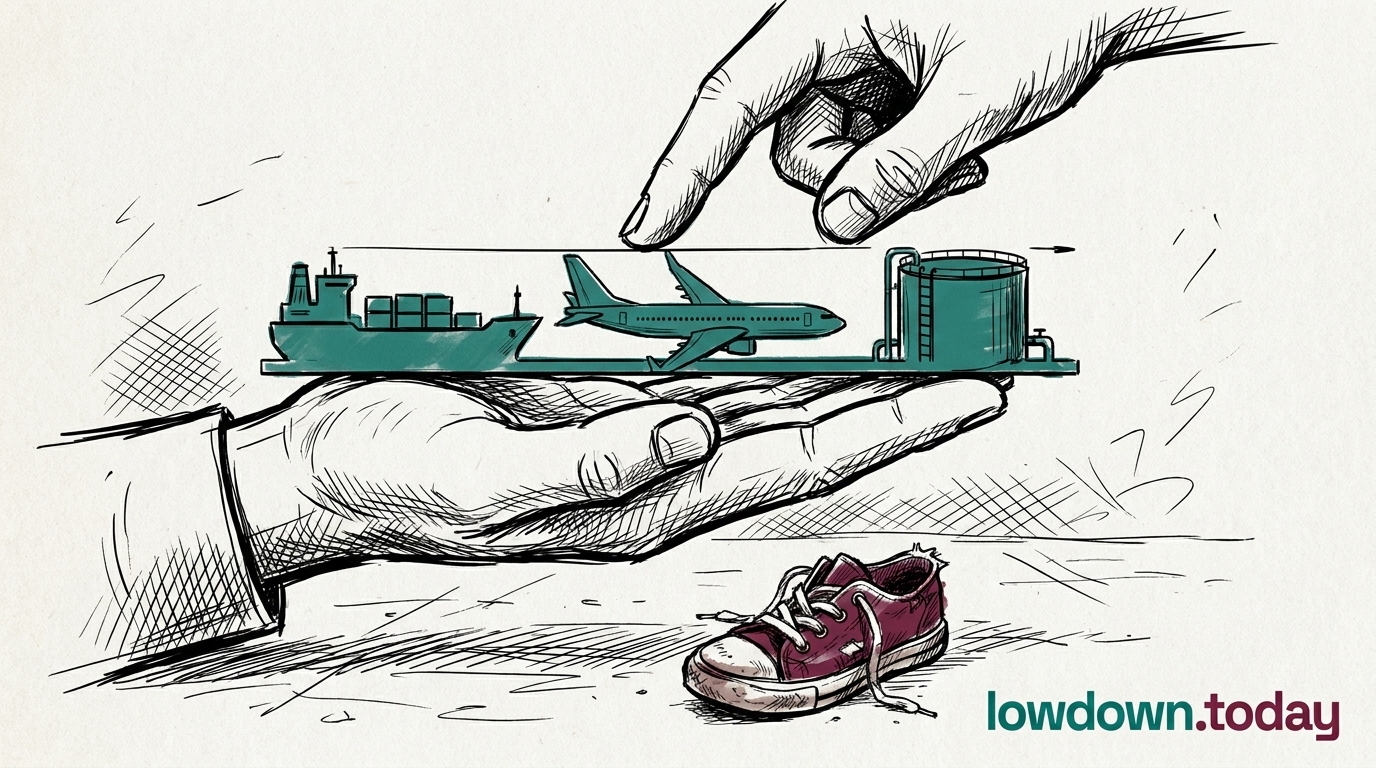
TTF front-month closed EUR 54.995/MWh on 15 July, up 3.84% after a 3.28% gain to EUR 52.959 the session before, roughly 9% over two days and the highest print since early April 1. The move tracked the United States reimposing a blockade on Iranian ports at 4pm ET on 13 July, declaring itself guardian of the Strait of Hormuz and setting a 20% toll on all cargo crossing it 2. TTF is the Dutch hub whose front-month contract prices most of Europe's wholesale gas; the strait is the 33km chokepoint carrying a fifth of the world's oil and a meaningful slice of its seaborne LNG.

This is the next leg up from the EUR 50.50 print the desk logged on 13 July , and the second Iran-linked spike inside a week after QatarEnergy's Ras Laffan withdrawal drove EUR 50.10 on 9 July. Two consecutive sessions of gains above 3% is not a plateau at EUR 50; it is a benchmark repricing a toll headline into the curve.

The toll raises the freight cost of Gulf cargo, but Europe was already running an Atlantic-only import book, and the caverns underneath the price were still filling through 14 July. The question the rest of this briefing tests is whether EUR 55 reflects lost molecules or a risk premium the market has yet to arbitrage away.

Deep Analysis

In plain English

Gas in Europe is priced off a hub called TTF, and its price just jumped about 9% in two days. Why? On 13 July the US said it would now charge a 20% toll on any ship passing through the Strait of Hormuz, a narrow sea gap near Iran that carries a large share of the world's gas and oil. Traders read that as a sign gas could get harder to move and bid the price up straight away, even though no actual shipment has been blocked or lost yet. It is a bit like a toll booth going up on a motorway before any traffic jam has actually formed: the price moves on the expectation, not yet on the reality.

Deep Analysis
Root Causes

Iran's 13 July action pairs a naval blockade with a 20% cargo toll rather than an outright closure, a structure that raises the cost of transit without physically stopping it. That is the same mechanism the market has discounted twice already this year without a lasting supply loss materialising: a toll or blockade order can be reversed by policy as fast as it was imposed, unlike a destroyed LNG train.

The JKM-TTF arb not confirming the move points to a second structural cause. European storage entered mid-July still filling, at 44.65% in Germany and 51.91% in France, so no drawdown is forcing European buyers to outbid Asia for physical cargo. The premium is being paid by paper positions, not by anyone short of physical gas.

What could happen next?
  • Meaning

    TTF's move confirms traders are pricing Hormuz-toll risk rather than a confirmed supply loss, since no cargo has yet rerouted to validate the premium.

    Immediate · Assessed
  • Risk

    A rapid reversal is possible if the toll is not enforced in practice or is walked back, echoing the 8.1% single-session drop that followed May's US-Iran deal headline.

    Short term · Reported
  • Consequence

    Desks locking in Q3 delivery this week pay a premium that Goldman's own 2H 2026 forecast does not currently support.

    Immediate · Assessed
First Reported In

Update #27 · TTF hits EUR 55; the arb won't confirm it

Investing.com· 16 Jul 2026
Read original
Different Perspectives
Turkiye
Turkiye
Erdogan followed the Pakistani delegation to Jeddah for an instrument that has not been signed. Ankara's entry widens Saudi Arabia's defence architecture beyond the existing Pakistan pact, adding a second non-Gulf military partner mid-conflict.
Oman
Oman
Muscat is the corridor's broker but has published nothing about the arrangement Fars describes on its behalf. The account leaves Oman administering outbound traffic only, a narrower role than the shared route its mediation has rested on since 1979.
Pakistan
Pakistan
Islamabad sent Sharif, Munir and Dar to Jeddah to widen a defence commitment it has honoured in cheaper registers since March, when Dar invoked the Saudi mutual defence pact. Jeddah tests whether that hedge becomes a binding trilateral instrument with Turkiye.
United States
United States
Washington rejected the Majlis Hormuz bill outright while CENTCOM's own tally kept climbing to 49 vessels redirected since 14 July. Both instruments tightened in the same week Trump promised the strait would reopen soon.
Iran
Iran
Iran's foreign ministry is selling a phased Hormuz corridor through Oman and denying any percentage cargo tariff, while its own Majlis is legislating fines to 20% and a bar on Israeli-linked cargo. The two accounts, from the same government, do not agree with each other.
Saudi Arabia
Saudi Arabia
Riyadh published a target forecast, not an attribution, for the campaign it says the Najran strike previewed. That keeps an Article 51 case available while it formalises a trilateral defence architecture with Pakistan and Turkiye.




