Skip to content
Welcome, thoughtbot's Giant Robots listeners!Start here
Iran Conflict 2026
7AUG

Türkiye holds at 37% on energy risk

1 min read
12:08UTC

Turkey's central bank left its policy rate unchanged on 10 September and named elevated energy prices amid geopolitical developments as an upward risk to inflation.

ConflictAssessed
Key takeaway

Gulf shipping risk is now an input to Turkish monetary policy in all but name.

The Central Bank of the Republic of Türkiye held its policy rate at 37% on Thursday 10 September, where it has stood since 23 July, and named elevated energy prices amid geopolitical developments as an upward risk to inflation⁠1.

It named neither Iran nor any sanctions action. Central banks rarely do, because a rate-setting committee that attributes its decision to a named conflict has committed itself to a forecast about that conflict, and it would then have to explain every revision. The euphemism is doing real work all the same: Türkiye imports almost all of its oil and gas, and the energy prices its statement points at are the ones this war is setting.

OFAC designated three Turkish institutions on 4 September, putting the war inside Türkiye's own financial system days before the committee met. Türkiye had been on an easing path, and this decision defers the relief that borrowers and the treasury were pricing in. The transmission runs through the current account: a higher import bill for crude widens the external deficit, weakens the lira, and feeds back into domestic prices through everything Türkiye buys abroad. Cutting into that would compound the pressure the committee has just flagged.

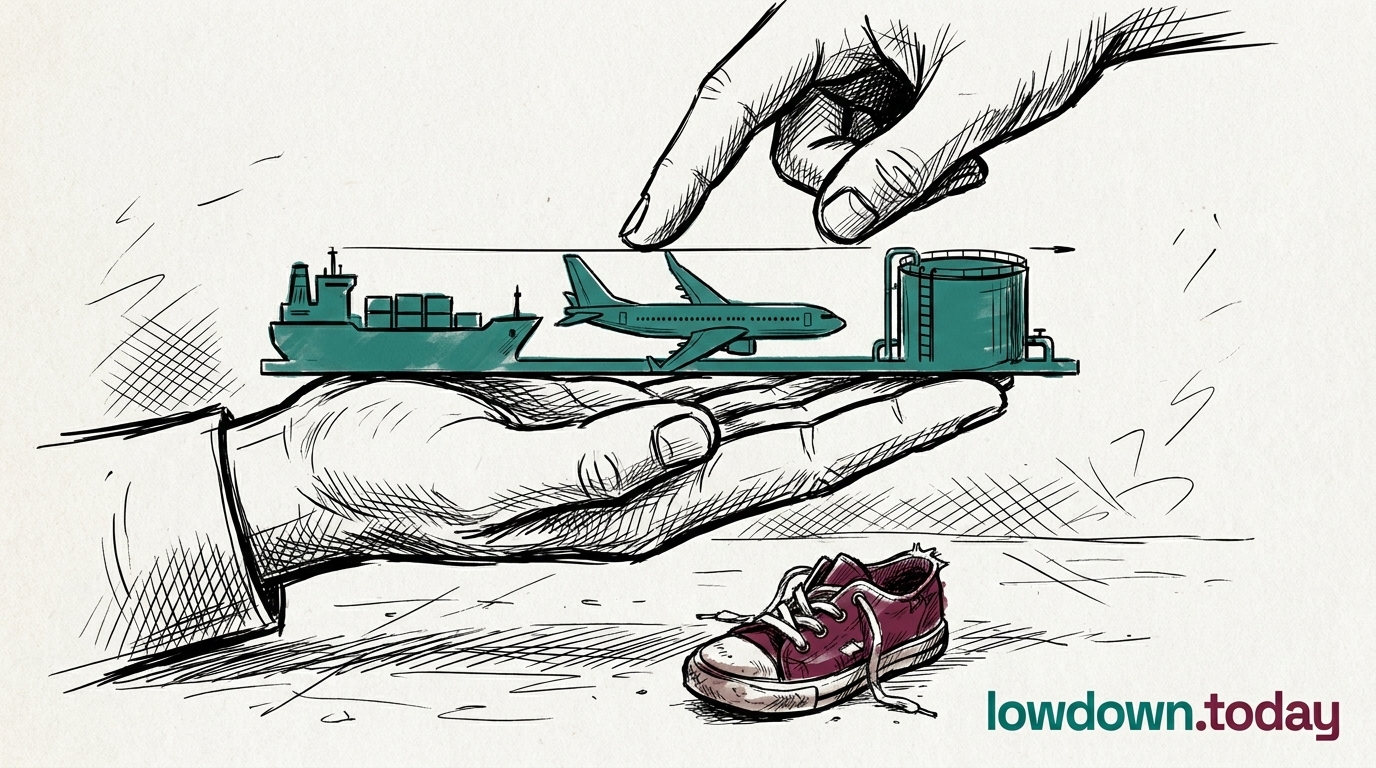
So the war reaches an economy with no combatant role and considerable exposure, through the price of a cargo rather than through any decision made in Ankara.

Deep Analysis

In plain English

Turkey's central bank sets the interest rate at which it lends to other banks, which influences borrowing costs and inflation across the economy. On 10 September, it kept that rate unchanged at 37 per cent, the same level it held at its previous decision in July. It said high energy prices linked to regional tensions were a risk to inflation, but also pointed to weaker demand at home pulling inflation the other way. The bank did not mention Iran, the strait of Hormuz or the sanctions against the Turkish financial group Golden Global by name in its September statement, even though all three fall within the period since its last decision.

First Reported In

Update #177 · 23 to 3: Iran goes to the Security Council

Central Bank of the Republic of Türkiye· 11 Sept 2026
Read original →
Causes and effects
This Event
Türkiye holds at 37% on energy risk
A rate decision in Ankara is now partly a function of what happens in the Gulf of Oman, without the bank saying so.
Different Perspectives
Office for Budget Responsibility
The OBR's 28 October forecast assumed $82 oil for 2026 and 2027, from market prices for the ten working days to 19 August, and blamed dearer wholesale energy on the war without naming Iran. It expects CPI inflation close to 4% in early 2027 even at that price.
Hengaw, Kurdish rights group
Hengaw reported the 3 November hangings of Amirhossein Maleki and Amirhossein Ebrahimi in Isfahan, saying Ebrahimi was tortured into confessing and that nine of 12 people sentenced to death in the case have now been hanged. Iran's judiciary holds that the defendants killed members of the security forces.
FINTRAC, Canada's financial intelligence unit
FINTRAC worked with the US Treasury on the 6 November designation of eight money services businesses in British Columbia, Ontario and Quebec. Treasury says the businesses still operate, some under new names, so closing them falls to Ottawa.
Abdul Qadir al-Dakhil, Governor of Nineveh
Al-Dakhil cancelled three Mosul International Airport contracts on 7 November over alleged links to armed groups, after meeting Prime Minister Ali al-Zaidi in Baghdad. He named no group or company, and said the contracts will go to international companies.
Kuwait
Kuwait
Kuwait condemned the Houthi missile fired towards the Madinah region on 5 November and restated its support for Saudi Arabia, the Qatar News Agency reported. Its state tanker company, Kuwait Oil Tankers Company, is among the Gulf state fleets on Iran's expanded Hormuz list.
Scott Bessent, US Treasury Secretary
Treasury designated an alleged Chandigarh false-flag network on 4 November and eight Canadian exchangers on 6 November, while State sanctioned alleged MANPADS intermediaries. None of the actions touches an oil buyer; they target the paper, cash and procurement around Iran's trade.

Written with AI from Lowdown's published reporting. Not individually reviewed by an editor. Editorial standards.
