Skip to content
You can now search across every topic, entity and event.What's new
Iran Conflict 2026
26JUL

Arrow-3 stocks hit 81 per cent drain

2 min read
12:01UTC

RUSI data shows the missile shield protecting Israel and the UAE will be materially degraded by mid-April. Rebuilding takes years.

ConflictDeveloping
Key takeaway

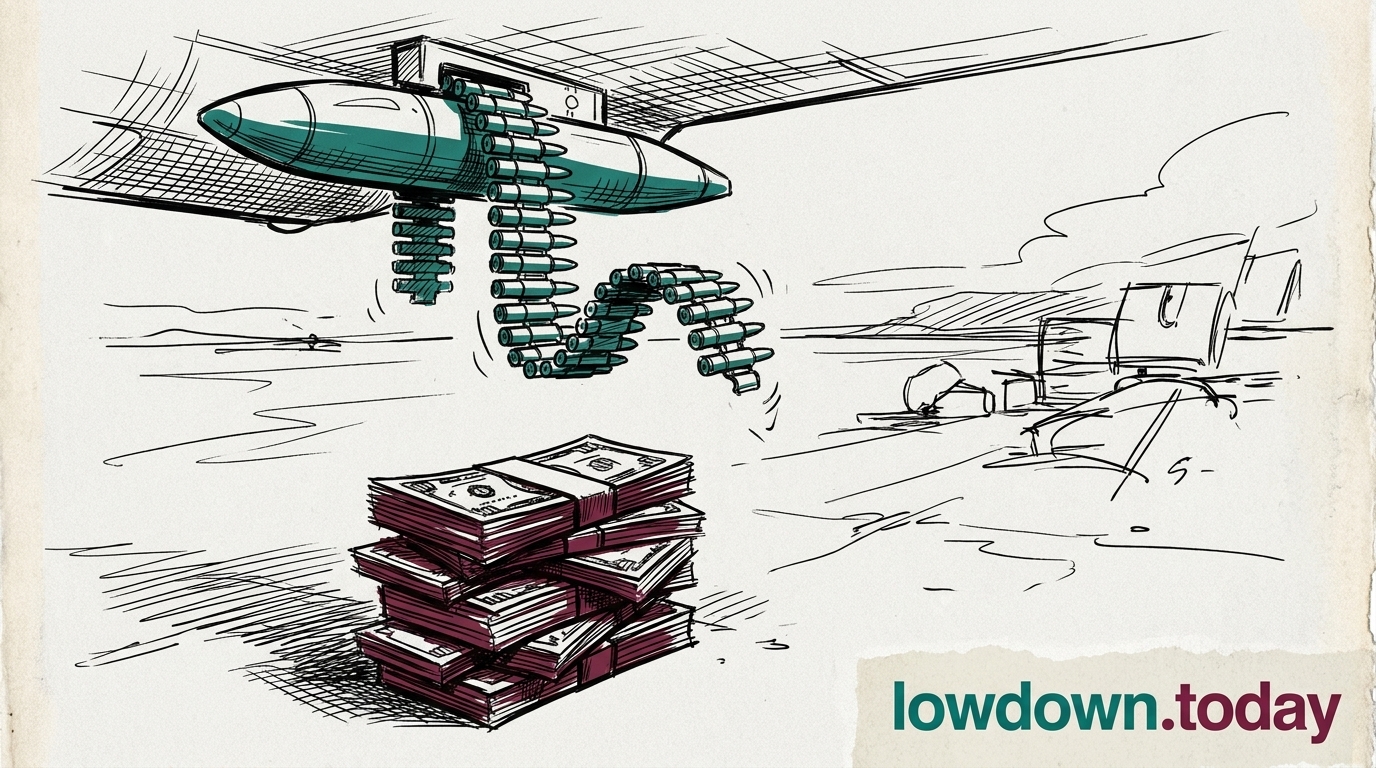
Iran does not need to win the air war; it needs to outlast the interceptors.

RUSI's "Command of the Reload" report documented 11,294 munitions expended in the campaign's first 16 days at an estimated cost of $26 billion. Arrow-3 interceptors are at 81% depletion by end of March. THAAD stocks are "approximately one month or less" from exhaustion at current expenditure rates . 1

Replenishment is not a logistics problem; it is an industrial one. A single Arrow-3 interceptor costs $2 to $3 million and takes months to produce. Full stock rebuild: two to three years. The missile defence architecture protecting Israel, the UAE, and US forces will be materially degraded by mid-to-late April.


Deep Analysis

In plain English

The US and Israel have been intercepting Iranian missiles and drones using expensive specialist rockets called interceptors. Each intercept uses one up. RUSI, a respected defence think tank, calculated that Israel's best interceptors are 81% exhausted. The US's top-tier system, THAAD, is roughly one month from running out. Each interceptor costs $2-3 million and takes months to produce. Rebuilding the full stock takes 2-3 years. Iran does not need to win the air war; it just needs to keep firing until the defensive rockets run out.

What could happen next?
  • Risk

    Arrow-3 exhaustion in mid-April degrades Israeli protection against Iran's long-range ballistic missiles at the moment THAAD is also near exhaustion.

  • Consequence

    Interceptor depletion creates a forcing function for all other deadlines: the 6 April grid deadline, the Kharg timeline, and the War Powers clock all operate inside a window shaped by shield degradation.

First Reported In

Update #58 · First US aircraft fall over Iran

Pentagon / The Intercept / Novara Media· 4 Apr 2026
Read original
Different Perspectives
Hormuz shipping and insurance market
Kpler, Lloyd's List and S&P Global each independently put Strait of Hormuz transits at a seventh to a sixth of pre-war levels, against CENTCOM's own position that the strait remains open for transit. War-risk premiums rose from 0.25% to 3-10% of hull value in mid-July and have held steady since.
Pakistan (with China)
Iran's interior minister met Pakistan's army chief in Islamabad on 25 July, his second visit in ten days, with China separately pushing the same track; Islamabad's stated precondition, a halt to Gulf attacks, broke within hours when the Houthis struck Yanbu and Jazan. The channel inherits Baghdad's opening without yet fixing what broke it.
Saudi Arabia
Saudi Arabia
Saudi Arabia absorbed Houthi strikes on Aramco-linked sites at Jazan and Yanbu on 25 July without confirming them, while holding a 30-year civil nuclear agreement Trump made conditional on joining the Abraham Accords two days after signing it. Riyadh is fighting on one front while being asked to concede on another.
Iran (state security leadership)
Iran's security chief said strikes continue until the enemy's "total surrender", and no IRNA, Tasnim or Fars report carries any stand-down language to match Washington's pause. Tehran reads the halt as "strategic decision-making fatigue", not a restraint it needs to reciprocate.
Washington (Pentagon and White House)
A Defense Department source called the bombing halt "on a hold", Pentagon spokesman Sean Parnell insisted the US "retains a deep arsenal of capabilities", and the White House credited "successful sanctions" and thirteen days of strikes for the same pause. Three explanations from one government suggest none of them is the whole one.
Oil traders
Oil traders
Sent Brent down 2.29 per cent to $98.38 a barrel on reports that mediation was reviving, moving the price on CENTCOM's quiet night rather than on Trump's same-day promise of a bigger operation with no deadline attached.



