Skip to content
You can now search across every topic, entity and event.What's new
Iran Conflict 2026
30JUN

Insurers hold the line on Hormuz risk

2 min read
15:13UTC

The International Group of P&I Clubs held its Hormuz war-risk exclusion in force through the entire shipping recovery, and now has a burning gas carrier off Limah to cite in keeping it.

ConflictAssessed
Key takeaway

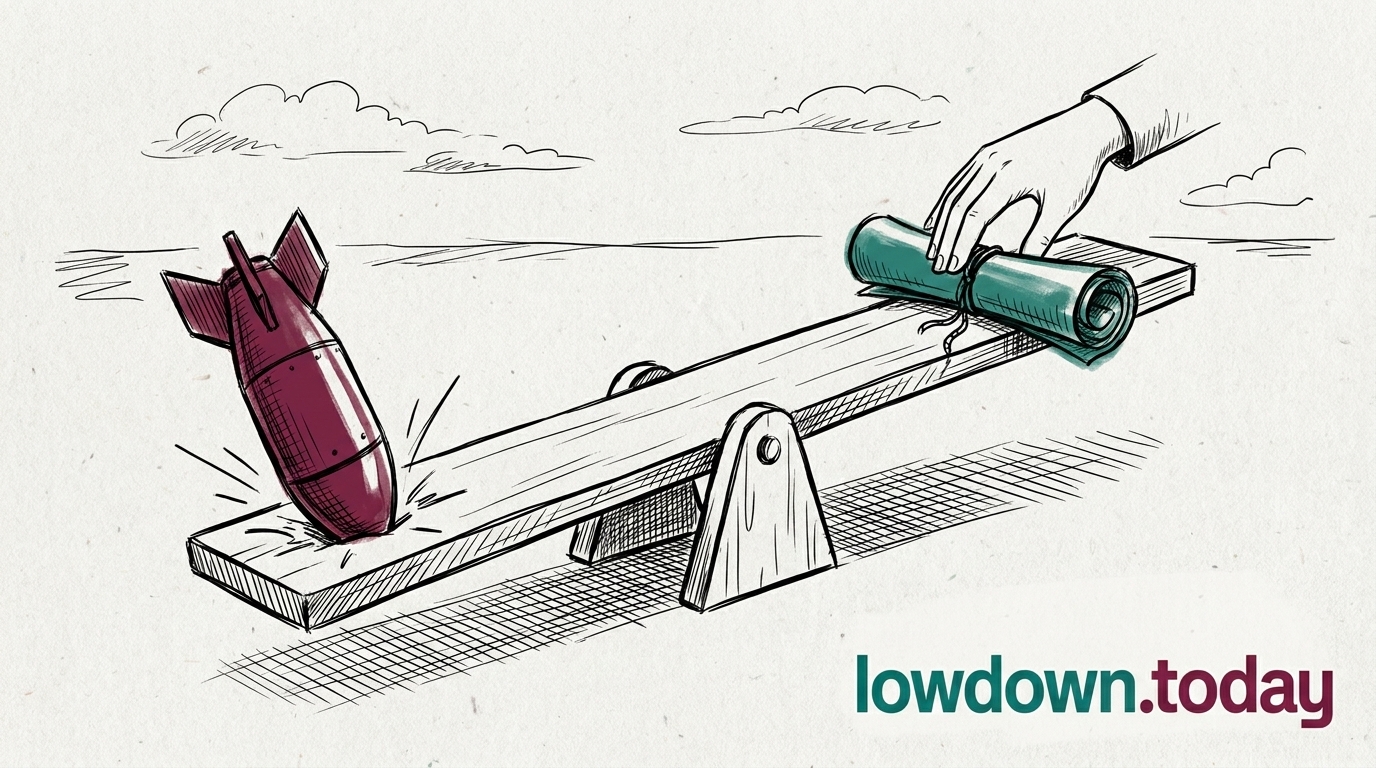
One strike near Limah lets insurers keep the whole strait priced as a war zone.

The International Group of P&I (protection and indemnity) Clubs, a mutual association insuring roughly 90% of world merchant tonnage, kept its Hormuz war-risk exclusion in force through the whole recovery, even as London hull war-risk premiums fell to about 2% of a vessel's value 1. That figure is still around twenty times the pre-conflict baseline, so cover had cheapened without the strait ever being treated as safe.

Marine war cover in the Gulf runs through mutual pooling. The Group's clubs share losses above a retention, so no single club can quietly price one Gulf cargo back into Hormuz without the whole pool re-underwriting the strait. Owners had been carrying that risk themselves as traffic recovered ; now the clubs have a burning carrier off Limah to point to, and the decision to reopen or hold the exclusion falls on all of them at once rather than one underwriter at a time.

Deep Analysis

In plain English

Insurance companies that cover cargo ships, called P&I clubs, had kept a special exclusion in place for the Strait of Hormuz, meaning they would not pay out for war-related damage there even as day-to-day shipping picked up again. These insurers work together as a group and share big losses, so one company acting alone has no power to start covering the risky route again; they all have to agree. Now that a gas tanker has actually been hit, the case for keeping the exclusion in place got much easier for the whole group to make.

Deep Analysis
Root Causes

The International Group of P&I Clubs operates through mutual pooling: member clubs share catastrophic losses above a set retention, so any one club's decision to reopen Hormuz cover effectively commits the whole pool to shared exposure, which requires group-wide, not individual, agreement.

That structure means a single incident, like the Al Rekayyat fire, can reset the exclusion for every member simultaneously, even for clubs with no vessels anywhere near the strike, because the pooling mechanism does not distinguish between a club's own claims history and the group's collective risk.

What could happen next?
  • Consequence

    Continued exclusion keeps commercial insurance out of reach for most Hormuz transits, pushing owners toward self-insurance or state-backed guarantees like the underused US Development Finance Corporation facility.

First Reported In

Update #148 · Iran shoots the Hormuz route it rejected

The National· 7 Jul 2026
Read original
Causes and effects
This Event
Insurers hold the line on Hormuz risk
Mutual pooling means one hit reprices the strait for every owner, not just the cargo that was struck.
Different Perspectives
Oil market and P&I insurers
Brent cleared $87 intraday only once CENTCOM's blockade became physical rather than declared, even though P&I Clubs had already excluded Hormuz war risk a week earlier on 7 July: capital hedged ahead of enforcement, but prices moved only after it.
UAE reporting
UAE reporting
UAE reporting placed the Omani tanker deaths at one seafarer against the International Maritime Agency's count of two, the first time in this war that a Gulf state's casualty figures have diverged from an international monitor's.
Jordan
Jordan
Iranian strikes reached Jordan again on 14 July as part of the Gulf-wide retaliation for the Hormuz blockade, extending the conflict's geographic footprint to a state with no direct stake in the strait itself.
Bahrain
Bahrain
Bahrain sounded air-raid sirens on 14 July during Iran's Gulf-wide retaliation, the same day CENTCOM's blockade order and fourth night of strikes pushed the conflict's physical reach into the wider Gulf littoral.
Kuwait
Kuwait
Kuwait intercepted Iranian missiles and drones on 14 July as Tehran's blockade retaliation reached Gulf states beyond Iran's immediate shoreline, confirming Kuwaiti airspace now sits inside Iran's retaliatory envelope.
Oman
Oman
Oman absorbed the war's first tanker casualties in its own waters on 14 July, with two supertankers disabled and seafarers killed, putting the sultanate's shipping lanes directly in the path of the blockade fight for the first time.