Skip to content
You can now search across every topic, entity and event.What's new
Iran Conflict 2026
21JUN

IEA's first oil build in four months

1 min read
17:51UTC

Global observed oil inventories rose 21mb in June, the first build in four months, but every added barrel sat in floating storage, not onshore tanks.

ConflictAssessed
Key takeaway

June's 21mb build is oil relocated to sea behind Hormuz, not a genuine easing of supply.

Global observed oil inventories rose 21mb in June, the first build in four months, entirely on a surge in oil-on-water while onshore stocks kept drawing, per the IEA's July Oil Market Report (OMR) 1. The International Energy Agency, the OECD's Paris-based energy watchdog, publishes the monthly report desks read for global balances.

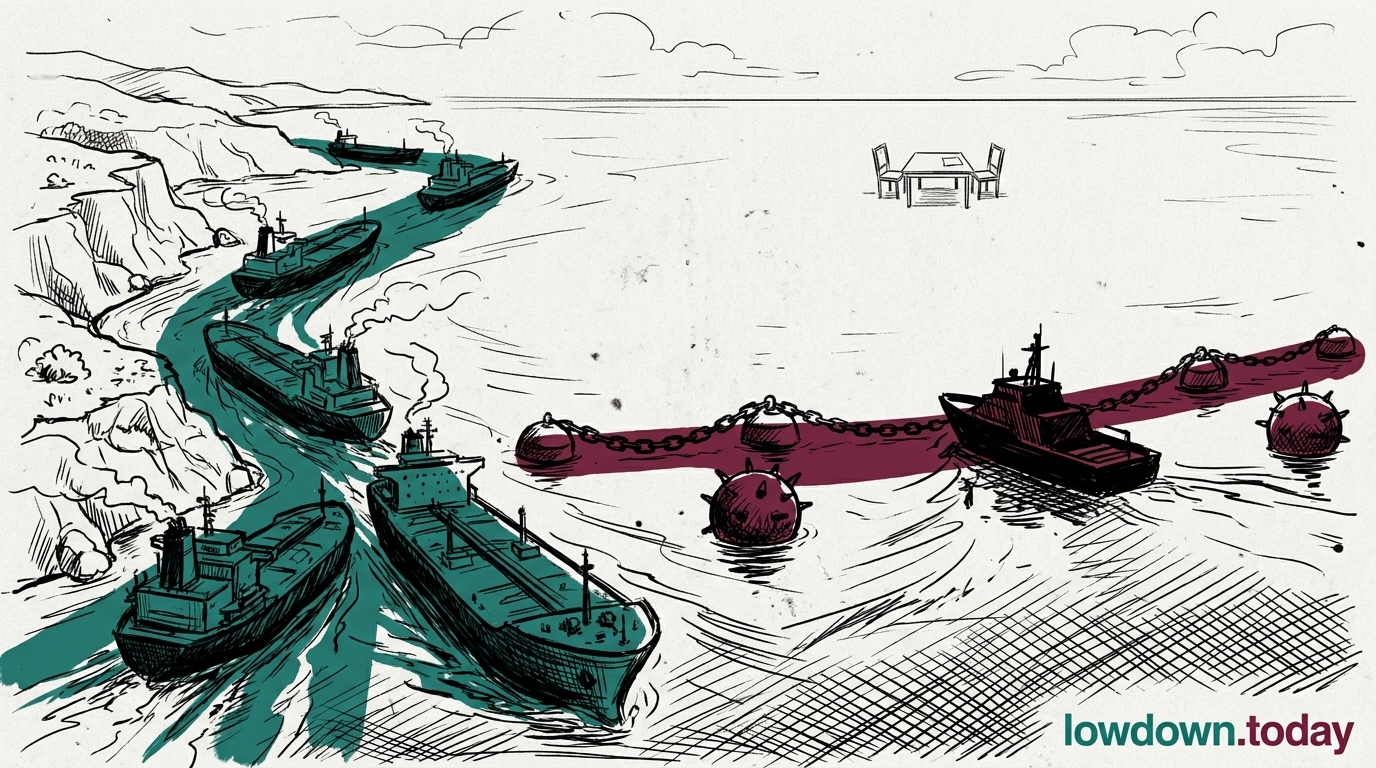
OECD onshore stocks fell a further 62mb, of which about 71% came from government strategic-reserve releases, up from the two-thirds the desk logged a month ago . Those barrels sit on water, not in tanks: cargoes stranded behind Hormuz disruption are relocating to sea rather than reaching refiners, the same AIS-dark shipping gap the desk flagged in June .

A first inventory build in four months usually reads as the tightening narrative cracking. This print carries the opposite signal, because the tight onshore draw and the offshore build are the same Hormuz story told two ways: barrels back up in transit while tanks empty, so the global number turns positive without any easing in deliverable supply. Rising government-release dependency at 71% also narrows the buffer for any further onshore draw.


Deep Analysis

In plain English

Oil inventories are like a country's oil savings account: when they rise, it usually means more oil is available than is being used. In June, global oil inventories rose by 21 million barrels, the first increase in four months. But nearly all of that increase was oil sitting on tankers at sea rather than in storage tanks on land, and onshore stocks in wealthy countries actually fell by 62 million barrels, with most of that drop coming from governments releasing their emergency reserves rather than commercial oil companies building up stock naturally. The 21-million-barrel headline sounds reassuring, but the 62-million-barrel onshore fall and the 71% reserve-release share tell the harder story.

Deep Analysis
Root Causes

The entire 21mb inventory build sits in oil-on-water (floating storage) rather than onshore tanks, a structural signal that cargoes are being loaded and shipped but not yet delivered or drawn down, typically because voyage times have lengthened or buyers are deferring discharge rather than because supply genuinely exceeds demand.

The rising government-reserve-release share, now 71% of the OECD's 62mb onshore draw versus about two-thirds a month earlier, reflects a policy choice with a finite runway: strategic reserves can only be drawn down so far before governments must stop releasing barrels, at which point the onshore deficit these releases have been masking would reassert itself.

What could happen next?
  • Consequence

    Continued reliance on strategic reserve releases to offset onshore draws has a finite runway before governments must curb further releases

First Reported In

Update #17 · EU freezes the cap a week; Brent-WTI gaps to $5.13

IEA· 16 Jul 2026
Read original
Different Perspectives
Hengaw
Hengaw
The Norway-based monitoring group reported the Urmia executions of Omid Behzad and Pouria Safvat, the only source to do so, consistent with its documented pattern of recording far more executions than the Iranian state acknowledges. Iran's government has not confirmed either execution.
Shipping and insurance underwriters
War-risk premiums price the Houthi campaign because the group announces its targets in advance, but a reopening Trump has promised without a published text gives underwriters no benchmark to reprice Hormuz cover against. Insurers want a text before they move rates, not a promise.
Houthi movement
Houthi movement
Spokesman Yahya Saree claimed strikes on two tankers in the Red Sea and Gulf of Aden on 5 August, only one of which UKMTO could confirm. The group's campaign against shipping continues on its own schedule, independent of any Hormuz arrangement further north.
Oman
Oman
Muscat has brokered the coordinates both Tehran and Washington's wire sources now describe differently, but has published no account of its own. Oman's position depends on treating Hormuz as a shared route, which is not what Iran is currently describing.
United States Central Command
CENTCOM raised its interdiction tally from 35 to 44 redirected vessels and disclosed its first boardings on 3 August, the day before Trump promised a reopening. The command's own enforcement record does not yet reflect the release the President has described.
Iran's Foreign Ministry
Spokesman Esmaeil Baghaei described the agreed Hormuz coordinates as a wholly new corridor under Iranian management, not a split of the existing route, days after his own deputy rejected Oman's lane proposal. Tehran wants the arrangement read as a change of ownership, not a compromise on access.



