Skip to content
You can now search across every topic, entity and event.What's new
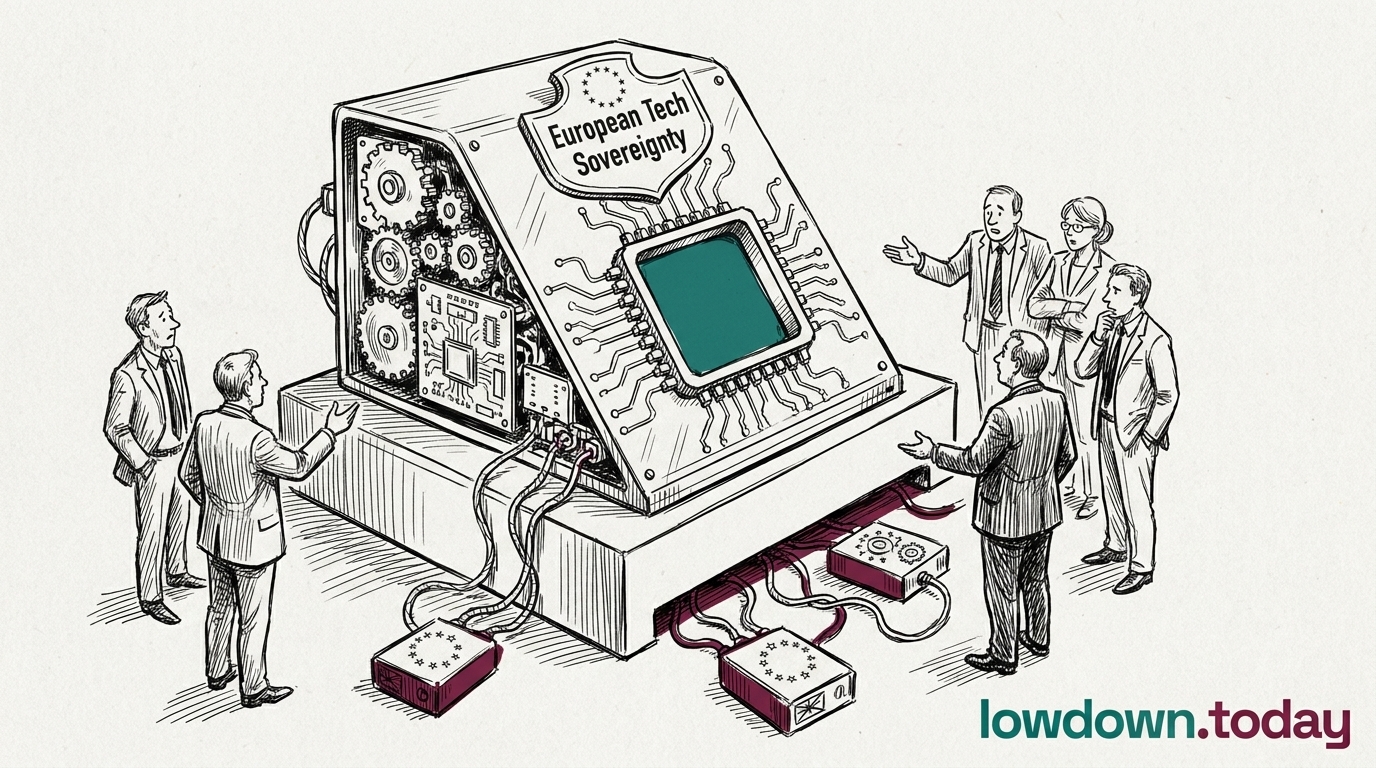
European Tech Sovereignty
23APR

Rial hits 1.7m per dollar, down 43%

2 min read
09:21UTC

Iran's rial traded at 1,705,000 to the dollar on Sunday 31 May, a 43% devaluation over six months, with the brief deal-optimism rally already unwound.

TechnologyDeveloping
Key takeaway

Ordinary Iranians face a 43% currency collapse and rising import costs even as the diplomatic track softened.

Iran's rial traded at 1,705,000 to the dollar on Sunday 31 May, a 43% devaluation over six months 1. The brief rally that deal optimism produced has already unwound, so the softer diplomatic mood has bought ordinary Iranians no lasting relief.

The slide tracks the cumulative weight of OFAC sanctions, including the designation of a port operator on Thursday 28 May , layered on top of wartime trade disruption. OFAC is the US Treasury's Office of Foreign Assets Control, which administers the sanctions that throttle Iran's access to hard currency. For households, a rial worth less each month means imported food and medicine keep climbing in price regardless of what Trump signs or refuses to sign. The squeeze is structural rather than a passing shock, and a signed ceasefire would not reverse it quickly.

Deep Analysis

In plain English

When a currency loses 43% of its value against the dollar in six months, imported goods cost 43% more in local currency terms. For Iranians, that means food items bought with dollars on global markets (wheat, cooking oil, medicine) have become dramatically more expensive. Iran imports a significant share of its pharmaceuticals and wheat. The rial's decline is not primarily caused by the war's oil-price swings; it reflects accumulated sanctions that prevent Iran's government from repatriating oil revenues earned in foreign currencies. Iran earns dollars selling oil to China and others, but cannot convert or access those revenues freely because of OFAC designations. The result is a currency that falls not because trade stops but because the earnings from trade are frozen abroad.

What could happen next?
  • Consequence

    Pharmaceutical import costs are the most acute humanitarian pressure; at 1.705m/USD, European API suppliers pricing in euros have effectively priced out Iranian public-sector procurement.

  • Risk

    A deal that reopens Hormuz but leaves OFAC's PGSA designation in place will not arrest the rial's decline, because the primary driver is sanctions on revenue repatriation, not the physical blockade.

First Reported In

Update #113 · Trump signs nothing as a Hellfire hits a hull

Alanchand· 31 May 2026
Read original
Different Perspectives
United States (Google/Alphabet)
Alphabet lost its final Android appeal on 2 July with no further court to hear it, a result its Computer and Communications Industry Association allies frame as precedent, not deterrence, since the €4.1bn fine changed nothing about Google's Play Store terms across eight years of litigation.
UK Department for Science, Innovation and Technology
DSIT opened its £96m second Sovereign AI wave on 3 July, switching from April's equity stakes to fixed-price contracts because Britain has no domestic hyperscaler or Bpifrance-style lender to fund capacity another way. It is betting on buying outcomes it controls alone rather than joining an EU-wide framework.
German federal government
Berlin backed both German deliverables this week, Infineon's fab and Aleph Alpha's merger, but is finding one far harder to close than the other. It wants enforceable protective rights inside Cohere's cap table before the merger closes, a legal instrument the Bundeskartellamt has no filing to review yet.
European Commission
European Commission
The Commission banked a clean CJEU win on the eight-year Android case on 2 July, removing Google's last comparator argument before President von der Leyen rules on the far larger DMA self-preferencing fine due 27 July. Brussels treats Infineon's early Dresden delivery as proof the Chips Act mechanism works, at the node Europe already led.
Bruegel (EU industry sceptics)
Bruegel economist Mario Mariniello argued the EU sovereignty package mimics US and Chinese strategy while EU cloud providers hold roughly 15% of their home market; using nationality as a proxy for security without fixing the underlying capital and energy gaps that drive the dependency creates €86bn of migration cost without the security benefit it is sold as delivering.
France
France
France published a joint sovereignty definition with Germany at VivaTech and mobilised €13bn under Tibi Phase 3, placing SAP's partnership with Mistral as the working proof that a German enterprise-software giant running a French sovereign model inside public administration is what digital sovereignty looks like in practice.
