Skip to content
You can now search across every topic, entity and event.What's new
European Oil Markets
4JUN

Arrow-3 stocks hit 81 per cent drain

2 min read
10:20UTC

RUSI data shows the missile shield protecting Israel and the UAE will be materially degraded by mid-April. Rebuilding takes years.

EconomicDeveloping
Key takeaway

Iran does not need to win the air war; it needs to outlast the interceptors.

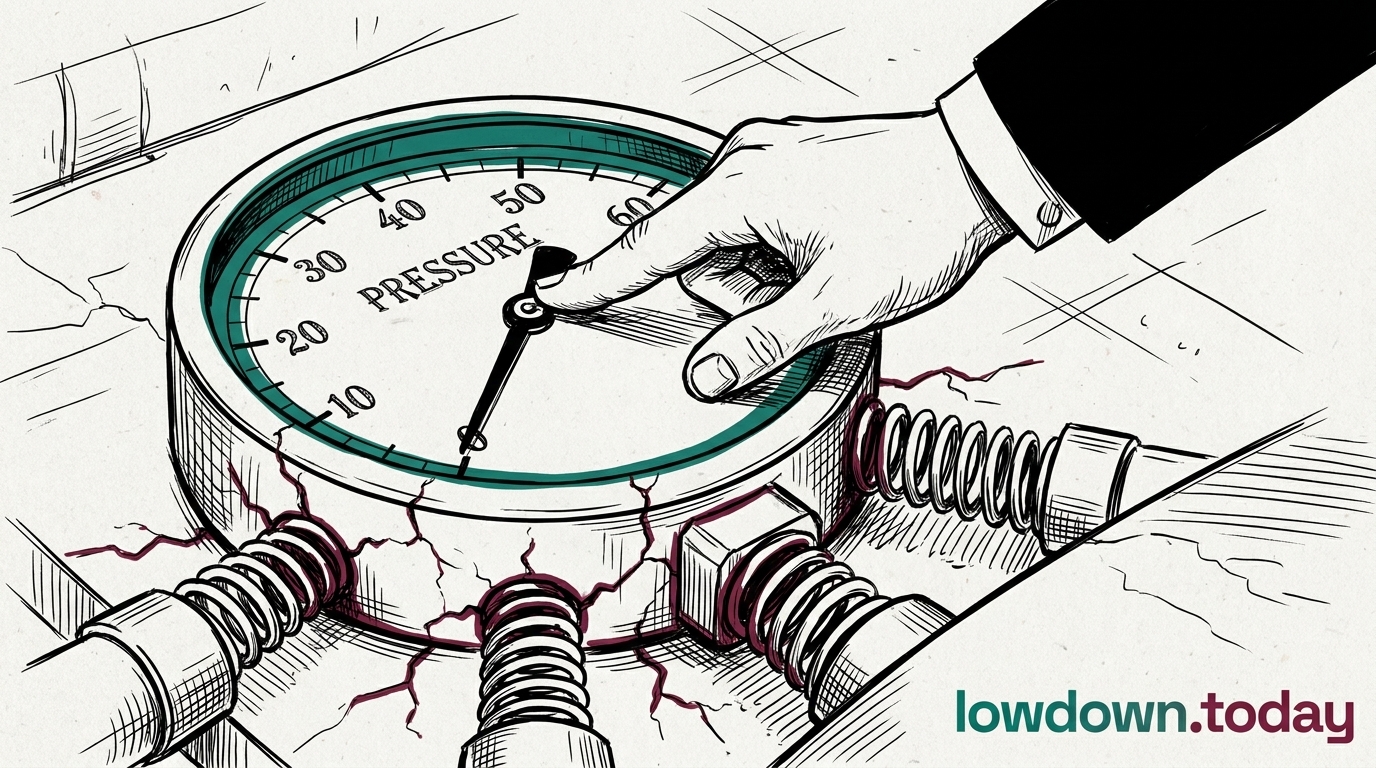
RUSI's "Command of the Reload" report documented 11,294 munitions expended in the campaign's first 16 days at an estimated cost of $26 billion. Arrow-3 interceptors are at 81% depletion by end of March. THAAD stocks are "approximately one month or less" from exhaustion at current expenditure rates . 1

Replenishment is not a logistics problem; it is an industrial one. A single Arrow-3 interceptor costs $2 to $3 million and takes months to produce. Full stock rebuild: two to three years. The missile defence architecture protecting Israel, the UAE, and US forces will be materially degraded by mid-to-late April.


Deep Analysis

In plain English

The US and Israel have been intercepting Iranian missiles and drones using expensive specialist rockets called interceptors. Each intercept uses one up. RUSI, a respected defence think tank, calculated that Israel's best interceptors are 81% exhausted. The US's top-tier system, THAAD, is roughly one month from running out. Each interceptor costs $2-3 million and takes months to produce. Rebuilding the full stock takes 2-3 years. Iran does not need to win the air war; it just needs to keep firing until the defensive rockets run out.

What could happen next?
  • Risk

    Arrow-3 exhaustion in mid-April degrades Israeli protection against Iran's long-range ballistic missiles at the moment THAAD is also near exhaustion.

  • Consequence

    Interceptor depletion creates a forcing function for all other deadlines: the 6 April grid deadline, the Kharg timeline, and the War Powers clock all operate inside a window shaped by shield degradation.

First Reported In

Update #58 · First US aircraft fall over Iran

Pentagon / The Intercept / Novara Media· 4 Apr 2026
Read original
Different Perspectives
Kuwait
Kuwait
Kuwait absorbed the Iranian strike that knocked generating units offline at a combined power-and-desalination plant on 17 July, the event that finally moved freight and insurance in lockstep with Brent. The strike hit essential civilian infrastructure, not a trading desk's benchmark.
Asian buyers (Singapore)
Singapore's middle distillates rose 12% month-to-date to 8.91m barrels and fuel oil passed 19m barrels on a 105% net-import surge, buyers retaining barrels as the East-West arbitrage window narrows. Cargoes are being stockpiled ahead of further Hormuz-driven freight repricing rather than released west.
Austria (Coreper holdout)
Vienna is blocking the same package over roughly EUR 2bn of frozen Russian assets earmarked for Raiffeisen, a domestic banking dispute with no connection to the oil cap racing toward its 23 July expiry. The linkage forces the whole package to wait on a bilateral compensation fight.
Greece (Coreper holdout)
Athens is holding the 21st sanctions package at the 22 July Coreper vote over Russian LNG re-export rights, a condition unrelated to the oil price cap itself, leaving the $44.10 freeze one day from expiry without a deal. Greece's own tanker registry gives it a direct stake in how any shadow-fleet measures are drafted.
Marine underwriters (Gulf war-risk)
Hull war-risk cover for Hormuz transits widened to a 3-10% band on 17 July with 5% the emerging norm, up from a 3-4% baseline set in late June, the first repricing in six weeks to track a flat-price move rather than lag it. Cover resets on actuarial evidence of loss, not on diplomatic or price signals.
Money managers (CFTC-tracked)
The CFTC's week-to-14-July snapshot, released 17 July, showed WTI managed-money net long collapsing 69% to 19,783 contracts and a standalone 60,141-contract net short on Brent Last Day (NYMEX). Both readings predate the Kuwait strike and the 20 July escalation, so any covering since is not yet visible in public data.