Skip to content
You can now search across every topic, entity and event.What's new
European Energy Markets
31JUL

315 US wounded; 75% with brain injuries

2 min read
09:44UTC

The Prince Sultan Air Base strike added 15 more wounded, and seventy-five percent of all casualties suffer traumatic brain injuries that have received almost no domestic coverage.

EconomicDeveloping
Key takeaway

Most US wounded have traumatic brain injuries, a long-term burden receiving minimal coverage.

CENTCOM confirmed 13 US service members killed and at least 315 wounded in the Iran conflict as of 29 March 1. Iran's strike on Prince Sultan Air Base on 27 to 28 March wounded 15 more, five seriously. A KC-135 tanker aircraft was hit and caught fire; three to four refuelling aircraft and an E-3 AWACS were damaged.

Buried in the casualty data: 75% or more of the wounded suffer traumatic brain injuries. Blast waves from ballistic missile and drone attacks on fixed bases cause neurological damage without visible wounds. After the 2020 Iranian missile strike on Al Asad Air Base in Iraq, the Pentagon initially reported no casualties, then revised upward to 110 traumatic brain injuries over subsequent months. Independent casualty tracking for US forces does not exist.


Deep Analysis

In plain English

The US has 13 service members killed and at least 315 wounded in the Iran conflict. What has barely been reported is that 75% or more of the wounded have traumatic brain injuries, or TBI. TBI is caused by blast waves from missile and drone explosions. Unlike a broken limb, TBI often has no visible symptoms immediately after the explosion. Symptoms emerge over days, weeks, or months: memory loss, personality changes, chronic headaches, and in some cases permanent neurological damage. In 2020, Iran struck a US base in Iraq and the Pentagon initially said there were no casualties. That was later revised to 110 TBI cases. The current conflict has 315 wounded — and three quarters of them have the same kind of injury.

First Reported In

Update #51 · Iran hits aluminium plants; Hormuz emptying

Al Jazeera· 29 Mar 2026
Read original
Causes and effects
This Event
315 US wounded; 75% with brain injuries
The growing US casualty count, dominated by traumatic brain injuries, creates a long-term veteran healthcare burden that extends well beyond the conflict itself.
Different Perspectives
Spain's LNG terminal operators
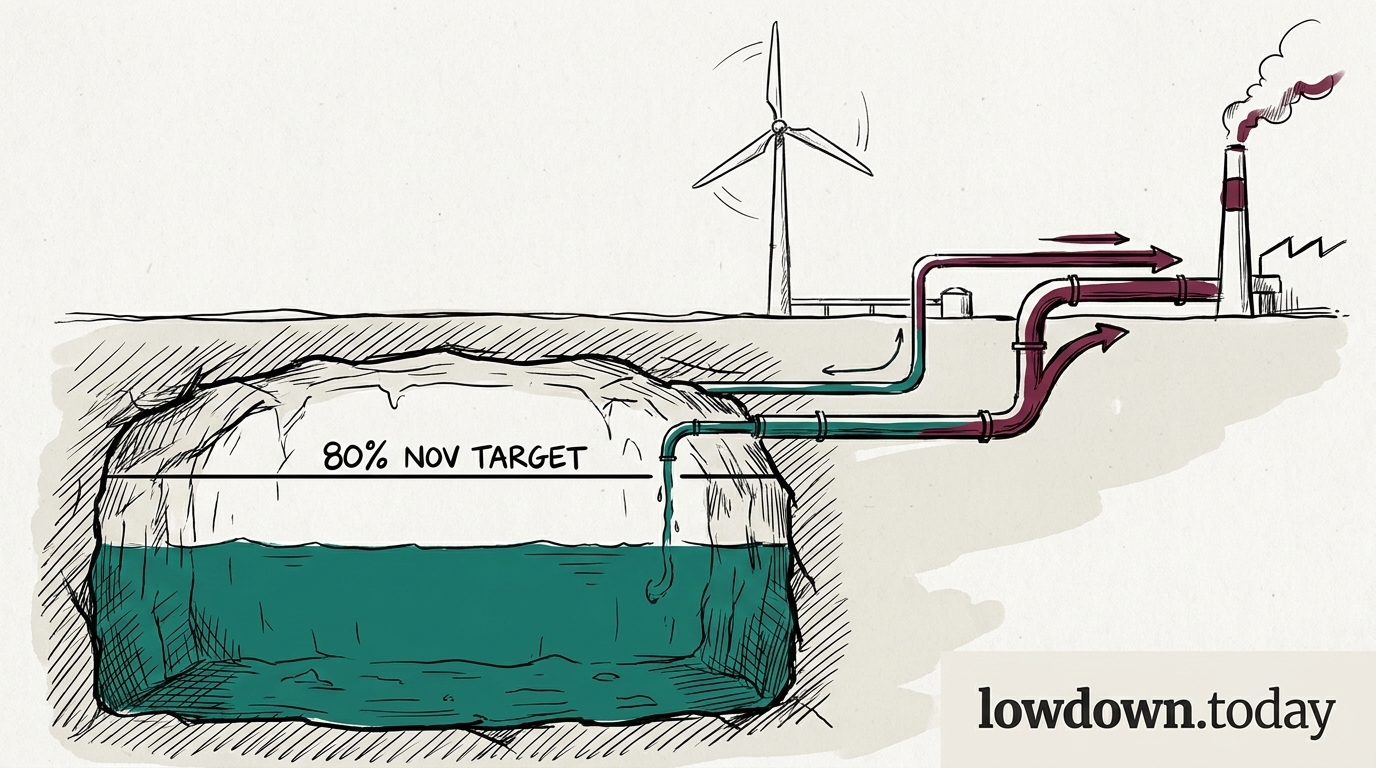
Spain's 9,145 GWh terminal inventory is the largest single stock in the EU LNG network, an option value that can reroute cargoes wherever the winter strip pays best rather than a cavern gas obligation tied to a fixed date. That flexibility matters more as Germany's cavern shortfall pushes more of the winter security question onto import infrastructure.
European Commission
European Commission
Brussels holds the bloc to 90% on a flexible window while Germany, holding roughly a quarter of EU storage capacity, tracks toward missing its own lower 80% figure by 21 points. A national shortfall this size in the anchor market matters more to bloc security than the flexible timetable alone can absorb.
French power exporters and CRE
French day-ahead rose in step with Germany but by less, reopening a EUR 7-17 premium that makes northward export flows commercially attractive again after the EUR 43.09 discount evaporated in days. CRE separately authorised RTE and Enedis to buy flexibility locally, betting the coming winter's binding constraint is grid congestion rather than a shortage of firm capacity.
TTF trading desk
TTF trading desk
A visible national shortfall like Germany's 21-point gap is a directional signal, not noise, for a desk holding the summer-winter spread. TTF's flat EUR 58-60 range through this week's German price swings says the market has not yet chosen to reprice refill risk into the front of the curve.
German cavern and CCGT operators
German caverns kept buying prompt gas at TTF near EUR 58-60 through the inversion; the wind collapse to 2.4 GW then flipped the spark spread to plus EUR 29 and put turbines back in the same queue. Every day turbines win that bid, injection at a third of the 877 GWh/day pace needed falls further behind.
Slovakia
Slovakia
Slovakia says it dropped its hold-out on the 21st sanctions package only after Ursula von der Leyen personally signed written gas-price and supply guarantees. The Council of the European Union's own 17,238-character release on the package names neither Slovakia nor any guarantee, leaving Bratislava's account unconfirmed by the institutional record.



