Skip to content
Welcome, thoughtbot's Giant Robots listeners!Start here
AI: Jobs, Power & Money
16APR

Jakarta turns its job training to AI

1 min read
13:29UTC

Indonesia's Ministry of Manpower set out an upskilling, reskilling and cross-skilling strategy on 29 August, turning national vocational curricula towards AI literacy, data analysis and automation.

EconomicDeveloping
Key takeaway

Indonesia is changing what its training centres teach, without a target or a date.

Indonesia's Ministry of Manpower, known domestically as Kemnaker, set out an upskilling, reskilling and cross-skilling strategy on 29 August 2026, reorienting national vocational curricula around AI literacy, data analysis and automation⁠1. The ministry runs Indonesia's public vocational training system, which is where most of the country's young workers acquire a trade before they reach an employer.

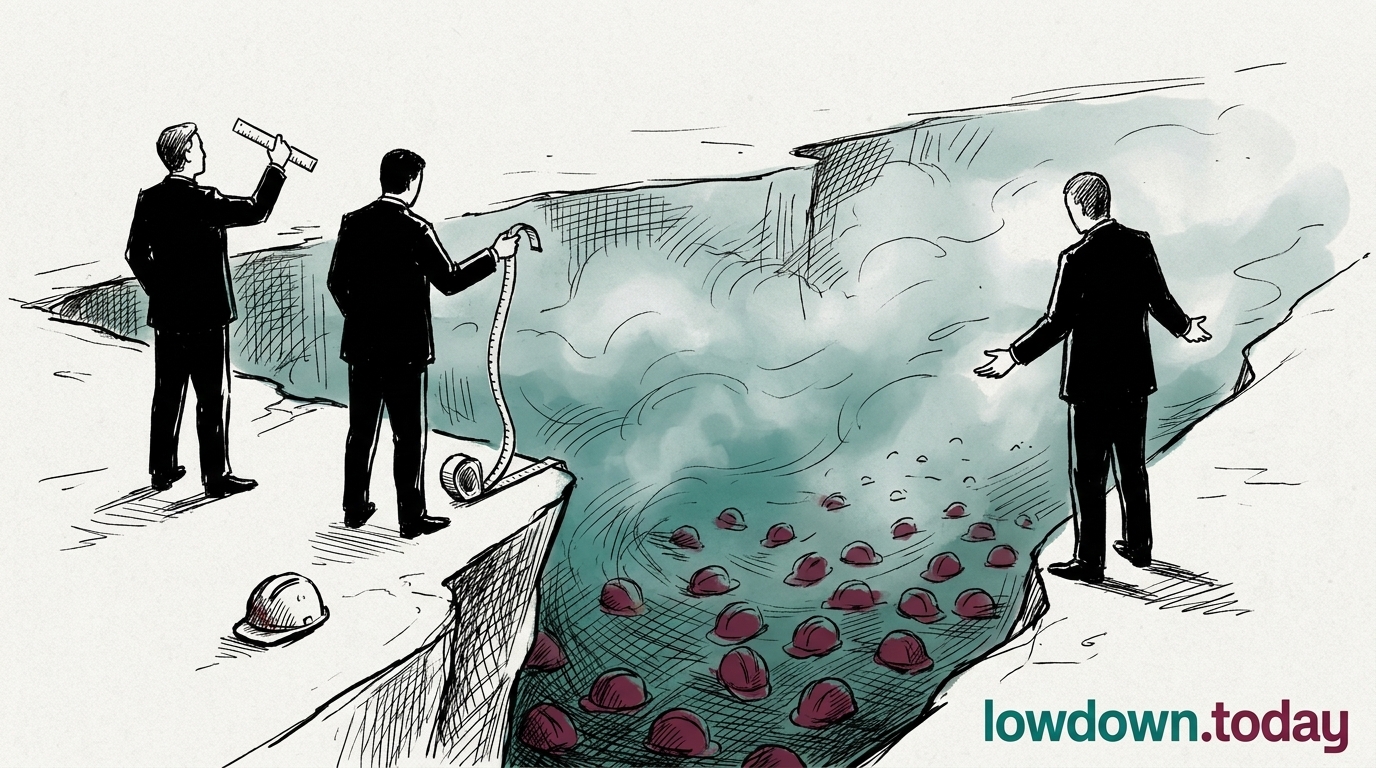
Kemnaker has reached for the slowest instrument available to it, and the widest. A tool subsidy or a training grant reaches whoever applies for it; a syllabus reaches everyone who passes through the system, including the school leaver who has never heard of any of this. It also takes years to show up in anybody's employment record, which is why ministries reach for it and rarely get judged on it.

Vietnam and Turkey set dated headcount targets on the same logic in August. Jakarta has not attached a number, a budget line or a completion date to its three strands, which leaves nothing to measure it against at the point when a cohort emerges.


Deep Analysis

In plain English

Indonesia's Ministry of Manpower set out a new strategy on 29 August to rebuild the country's vocational training system around three skills: AI literacy, data analysis and automation. The same week, Vietnam and Turkey both set their own dated targets for AI-related workforce training, part of a wider pattern of middle-income economies moving to reshape vocational education around AI rather than waiting to see how the technology changes their labour markets first. For Indonesia specifically, with a young, fast-growing workforce, the strategy is a bet that reorienting vocational curricula now avoids training people for jobs that will look different, or not exist, by the time they graduate.

First Reported In

Update #20 · AI closes the hiring door, not the exit

ANTARA News· 21 Sept 2026
Read original →
Different Perspectives
Competition and Consumer Commission of Singapore
The regulator found on 27 November that businesses can still choose and switch between cloud providers and AI models. It named dominant firms blocking rival AI agents as a risk, but answered with eight voluntary principles rather than rules.
La Poste
La Poste
France's state-owned postal group signed its first AI accord with four union confederations on 19 November, setting up a joint committee to oversee AI use. The announcement gives the unions a say, but no job security and no training hours for its 227,000 staff.
Nascent Information Technology Employees Senate (NITES)
The IT workers' union asked India's central government on 26 November for a mandatory national policy on AI layoffs, with every automated job cut logged in public. It expects to meet Labour Ministry officials; no government response has been reported.
China State Council
China State Council
Beijing's cabinet told local governments to pace AI in labour-intensive industries and to screen large AI projects for job losses. It keeps backing AI but wants the replacement of workers slowed, and it set no numeric targets.
SAP
SAP
SAP answered Bloomberg's report of at least 10,000 planned job cuts by telling CNBC that nothing is settled. In Germany a cut on that scale goes through works councils, and its 2024 round of about 10,000 ended mostly in voluntary departures.
Nvidia's board of directors
The board reinstated Jensen Huang on 22 November after input from senior levels of the US government, while its committee of independent directors keeps investigating. Its confidence rests, by its own account, on Washington's input, and the company says it will keep cooperating with government inquiries.

Written with AI from Lowdown's published reporting. Not individually reviewed by an editor. Editorial standards.
