Xinhai Petrochemical
Shandong teapot refinery; shielded by China's MOFCOM Announcement No. 21 against OFAC Iran-related sanctions as part of Beijing's systemic blocking response.
Last refreshed: 2 October 2026 · Appears in 1 active topic
How does MOFCOM Announcement No. 21 shield Chinese refineries like Xinhai from US Iran sanctions?
Background
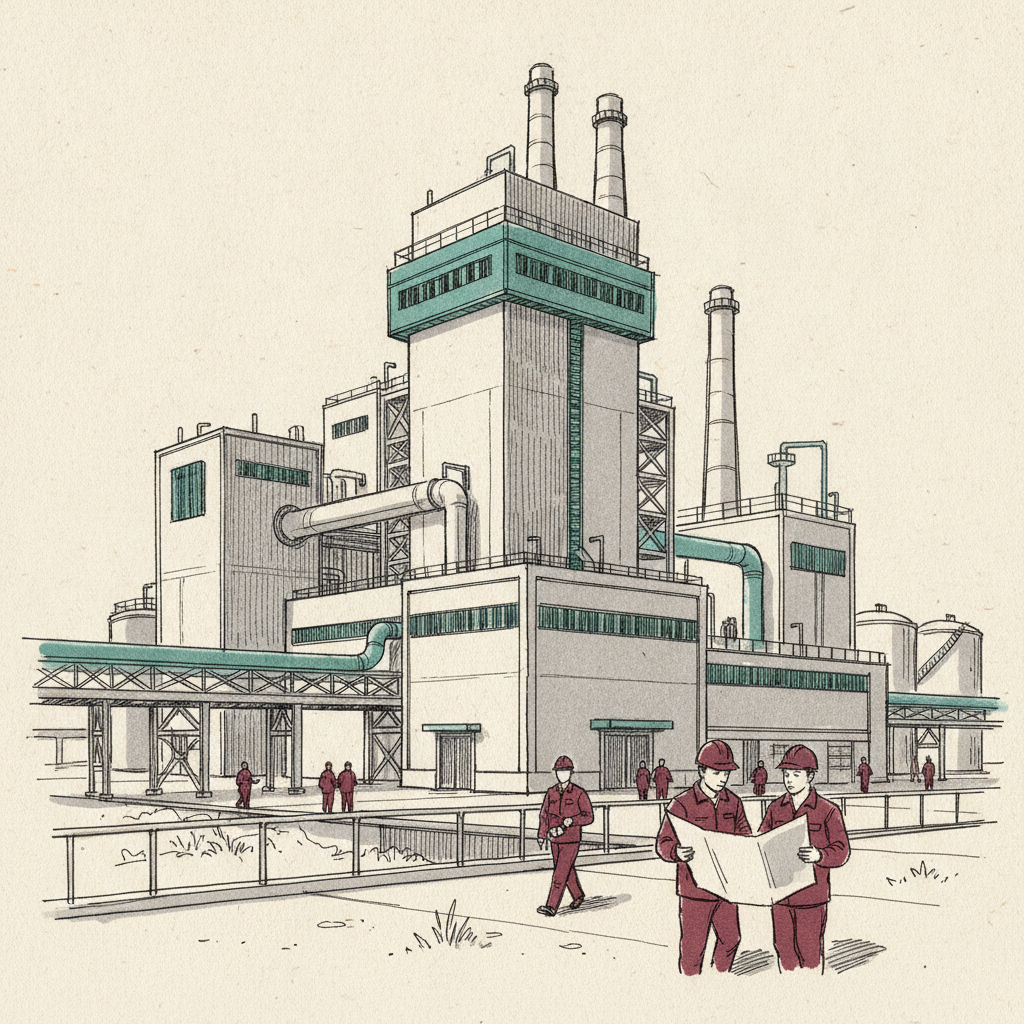
Xinhai Petrochemical is an independent Chinese refinery in Shandong Province, China's main concentration of so-called "teapot" refineries that process Iranian crude outside the major state-owned companies. It was named in MOFCOM Announcement No. 21 on 2 May 2026, issued under China's 2021 Anti-Foreign Sanctions Law, which directed Xinhai and four sister refineries (Luqing, Jincheng, Shengxing, and Hengli) to disregard OFAC's Iran-related sanctions designations. The order placed Chinese refineries in a structural legal conflict: compliance with OFAC would violate Chinese law, and compliance with MOFCOM would violate US secondary-sanctions law.
Xinhai itself was not directly designated by OFAC; it was bundled with Hengli, which received its own OFAC designation on 24 April 2026, to signal systemic sovereign protection rather than a case-by-case defence. Beijing's strategy of bundling five refineries made any US enforcement a China-wide policy confrontation. Xinhai's scale of operations and precise Iranian crude intake are not confirmed in the public record; it features in Lowdown coverage as one of the five refineries Beijing chose to protect collectively, rather than as an Independent news actor in its own right.
In May 2026, China's National Financial Regulatory Administration (NFRA) separately instructed major state banks to halt loans to refiners processing sanctioned crude, a move that tightened financial pressure on the teapot sector even as MOFCOM shielded the refineries operationally. The combination of MOFCOM operational cover and NFRA financial squeeze reflects Beijing's dual-track approach: protect sovereign commercial interests while managing secondary-sanctions exposure through financing rather than supply-chain disruption.
What is Xinhai Petrochemical and why was it protected by China from US sanctions?
What is Xinhai Petrochemical and why did China protect it from US sanctions?
What is MOFCOM Announcement No. 21 and how does it work?
How is China responding to US sanctions on Iranian oil buyers?
What are teapot refineries in China and why do they import Iranian oil?
Was Xinhai Petrochemical sanctioned by the United States?

