WUE
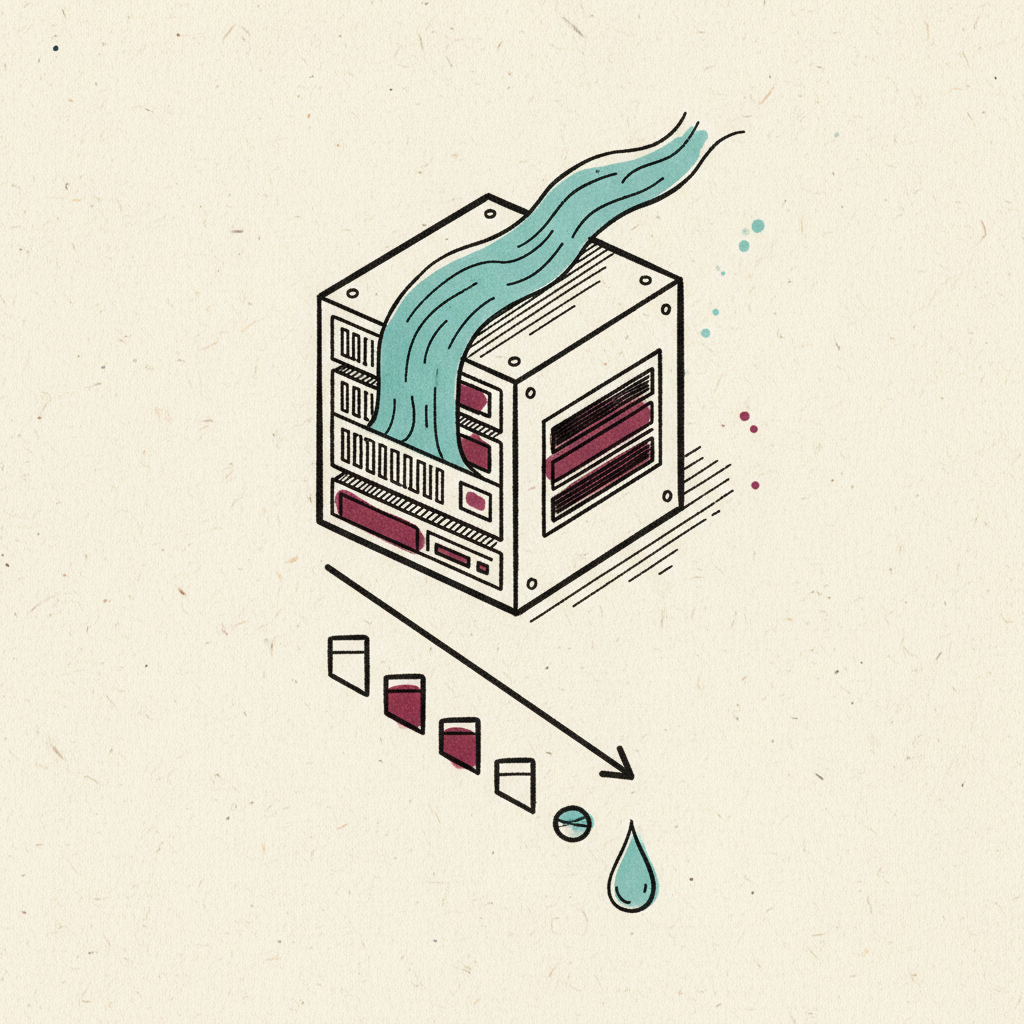
Water Usage Effectiveness: a metric measuring the volume of water used per unit of IT energy; a lower WUE indicates more efficient cooling.
Last refreshed: 26 April 2026 · Appears in 1 active topic
Are data centre operators disclosing their true water use, or hiding behind the WUE metric?
Background
Water Usage Effectiveness (WUE) measures how much water a data centre consumes per unit of computing power, calculated as annual water consumption divided by total IT equipment energy (litres per kilowatt-hour). It is the standard metric for water sustainability reporting in the data centre industry, developed by The Green Grid organisation. A lower WUE indicates a more water-efficient facility.
WUE has become a focal metric in 2025-2026 as data centre water consumption draws regulatory and community attention. Microsoft's Mount Pleasant campus drew scrutiny when Milwaukee Riverkeeper's litigation revealed it could draw up to 8 million gallons per day from the Racine County water system. Amazon's Aragón campus faced legal challenge partly on water consumption grounds, and Ireland's CRU has incorporated water efficiency into its data centre planning framework. WUE varies dramatically by cooling technology: evaporative cooling towers consume large volumes of water but are cheap to build; liquid cooling and dry cooling systems have much lower WUE but higher capital costs.
AI training workloads typically require more intensive cooling than general compute, driving higher WUE for facilities not upgraded to liquid cooling. The water debate is most acute in arid regions like El Paso (Meta BTM) and water-stressed European areas like Aragón.