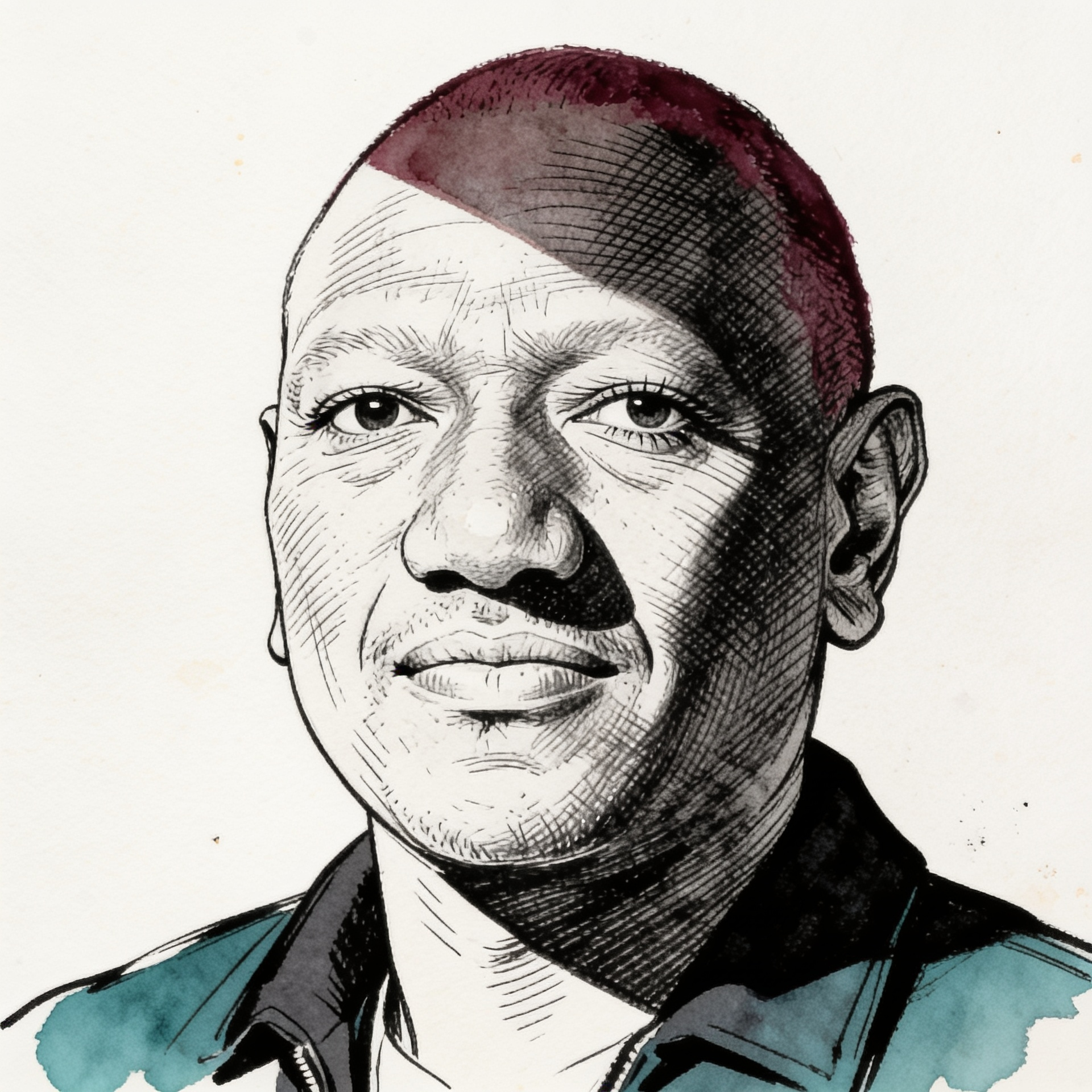
Did Kenya decline the Olkaria guarantee because of fiscal risk or political signal?
Timeline for William Ruto
Halted the 1 GW project in May on capacity grounds; government declined the capacity guarantee
Data Centres: Boom and Backlash: Kenya's AI campus turned on a guaranteeStated the full 1 GW build would require switching off half the country
Data Centres: Boom and Backlash: Kenya halts $1bn Olkaria over powerBackground
William Ruto has served as President of Kenya since September 2022, having previously served as Deputy President. He made international headlines in the data-centre sector in May 2026 when his government suspended the $1 billion Microsoft-G42 geothermal data-centre campus at Olkaria in Kenya's Rift Valley, on the grounds that the project's full 1 GW target would consume a third of Kenya's approximately 3 GW national installed capacity. Ruto stated publicly that building the campus at full scale would require switching off half the country, a phrase that captured the structural mismatch between hyperscale compute demand and developing-nation energy supply. Subsequent reporting has added a second dimension: the suspended project was also stalled because the Microsoft-G42 consortium requested a sovereign capacity-payment guarantee from Kenya Power and Lighting Company, which Ruto's government declined. The Olkaria suspension is therefore as much a commercial dispute over offtake risk as a grid-capacity limit.
Ruto came to power on a platform of economic transformation centred on digital infrastructure and sovereign technology capacity. The Olkaria episode is not a rejection of the underlying ambition; his administration had actively courted both Microsoft and G42, and Kenya has positioned itself as Africa's digital-economy gateway via the subsea cable landings at Mombasa. Rather, the suspension and the declined guarantee reflect the reality that Kenya cannot absorb a single 1 GW anchor tenant without both grid-expansion investment and risk-transfer terms the government is not prepared to accept.
The episode has drawn attention to a tension in Ruto's digital economy agenda: attracting hyperscale investment while ensuring infrastructure costs and load priorities serve Kenya's 55 million citizens rather than foreign operators alone.
Why did William Ruto stop the Microsoft data centre in Kenya?
What did William Ruto say about the Olkaria data centre?
What is William Ruto's digital economy policy for Kenya?
Written with AI from Lowdown's published reporting. Not individually reviewed by an editor. Updated 17 June 2026. Editorial standards.