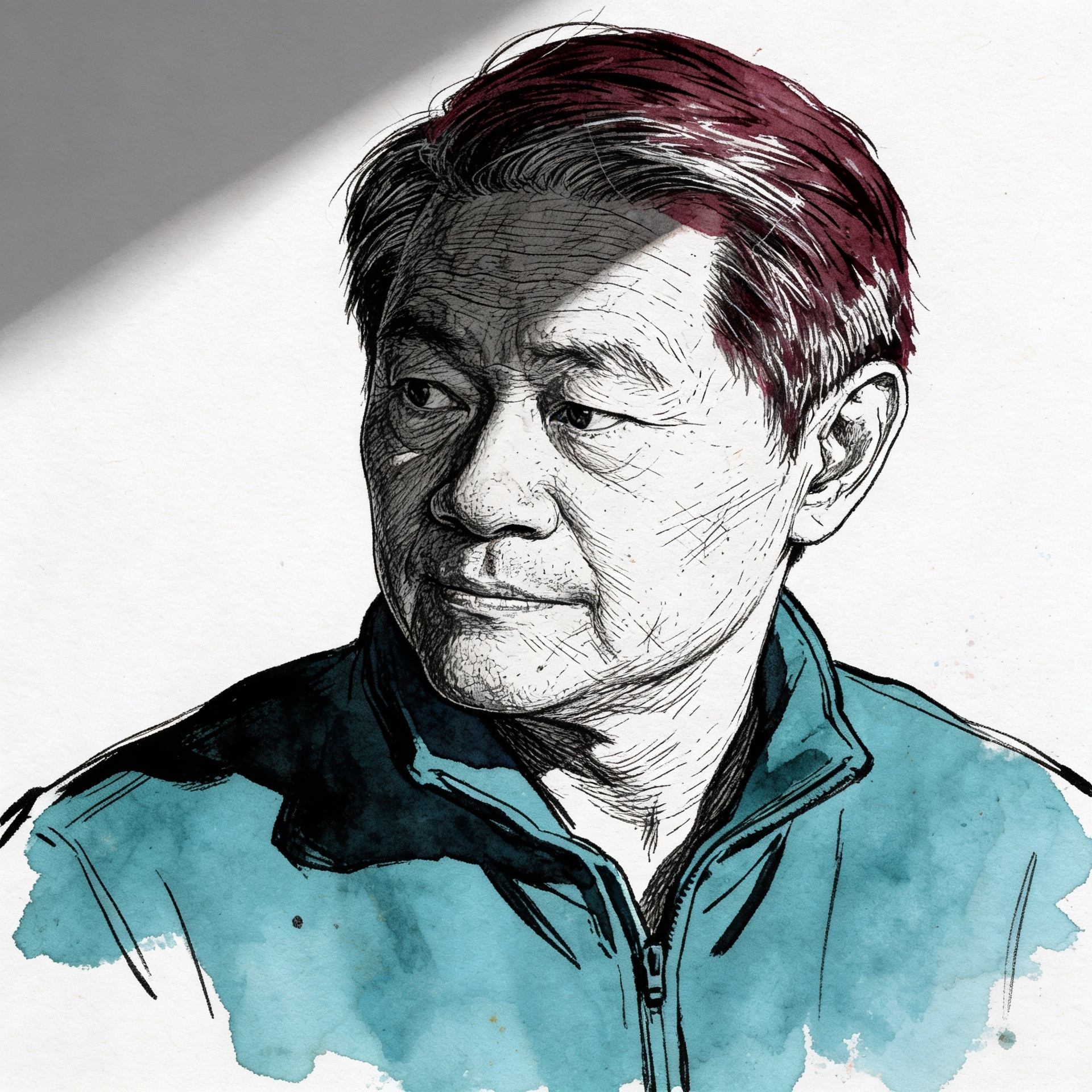
Wang Huiyao
Founder of Centre for China and Globalisation in Beijing; prominent voice on China's international economic strategy.
Last refreshed: 9 May 2026 · Appears in 1 active topic
Does Wang Huiyao represent the Chinese government's real position on Iran, or a managed one?
Timeline for Wang Huiyao
Mentioned in: Beijing splits MOFCOM defiance from NFRA loan halt
Iran Conflict 2026Background
Wang Huiyao is the founder and president of the Centre for China and Globalisation (CCG), an independent Beijing-based think-tank and one of China's most prominent non-governmental policy research organisations on international affairs. A former Chinese government official and China expert at McKinsey, Wang is widely regarded as a bridge figure between Chinese government thinking and international audiences, frequently cited in Western coverage of China's foreign economic policy.
In the May 2026 Iran context, Wang was cited on China's response to the tanker strikes and the NFRA loan halt, providing Beijing-proximate commentary on how Chinese policymakers were balancing public defiance with quiet financial compliance. His analysis was particularly relevant because CCG occupies an unusual position: it is close enough to Chinese government thinking to be credible as an interpreter, while maintaining enough independence to be publishable in Western media.
CCG has been described as a "semi-official" think-tank; Wang himself has participated in the Chinese People's Political Consultative Conference. His commentary tends to favour engagement and globalisation over decoupling, making him a consistent advocate for Chinese economic integration even during periods of political tension.
Who is Wang Huiyao and does he represent the Chinese government?
What is the Centre for China and Globalisation?
What does China's CCG say about the Iran sanctions and tanker strikes?
